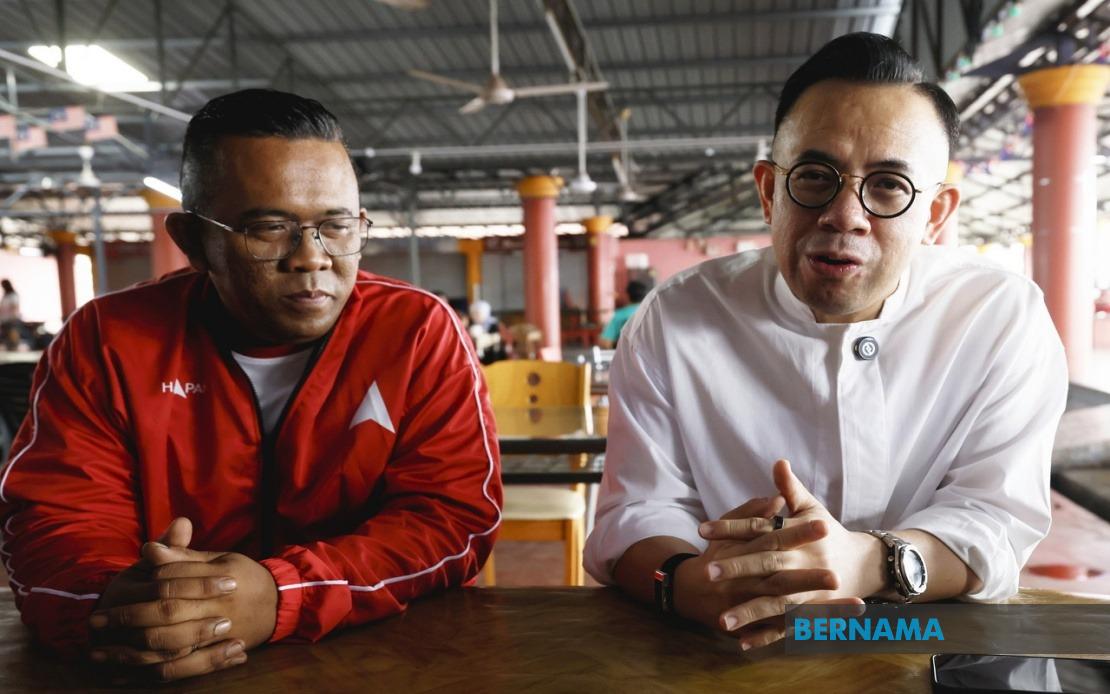
The Democratic Action Party is positioning its cohort of debut candidates as agents of transformation ahead of the Johor state election scheduled for July 11, signalling a generational shift within the coalition's ranks. Steven Sim Chee Keong, the party's deputy secretary-general and Minister of Entrepreneur Development and Cooperatives, articulated this strategy during a campaign engagement in Batu Pahat, emphasizing that the decision to elevate newcomers reflects a deliberate commitment to nurturing the next generation of political leadership.
The deployment of fresh faces across 17 constituencies represents a calculated gamble for DAP and its Pakatan Harapan allies, particularly in territories where Barisan Nasional has long maintained electoral dominance. Rather than characterizing these candidates as political novices, party leadership has sought to reframe them as seasoned operatives whose behind-the-scenes contributions have equipped them for representative roles. This narrative seeks to bridge the tension between organizational renewal and electoral credibility, acknowledging voter concerns about inexperience whilst asserting that groundwork experience provides sufficient preparation for legislative duty.
Shazwan Dzainal Abidin, contesting the Parit Raja seat, exemplifies the profile DAP is promoting. The Batu Pahat native brings nearly ten years of political engagement, including a tenure as special officer to the Penggaram state assemblyman, demonstrating that DAP's definition of newcomer encompasses those without direct electoral exposure rather than those wholly unfamiliar with governance mechanics. His initial apprehension about contesting in what has historically functioned as an UMNO and Barisan Nasional stronghold has given way to cautious optimism, buoyed by receptive ground responses during the nascent stages of campaigning.
Young Syefura Othman, DAP's assistant national publicity secretary, framed the candidate selection as a confidence statement in party membership capacity. By providing individuals an opportunity to contest, the party aims to demonstrate that institutional capability for leadership extends beyond a narrow cohort of seasoned politicians. This rhetorical positioning also serves a broader strategic objective: challenging the perception that Barisan Nasional constituencies represent immutable electoral fiefdoms impervious to organizational challenges and voter appetite for alternatives.
The election context in Johor remains complex for DAP and Pakatan Harapan. The state has historically tilted towards Barisan Nasional, and the presence of established regional powerhouses means that marginal shifts in voter behaviour can determine seat distribution. DAP's seventeen-seat allocation spans constituencies ranging from urban centres like Johor Jaya, Skudai, and Stulang to more peripheral areas such as Bekok and Paloh, indicating a statewide ambition rather than concentrated geographic focus. This dispersed strategy necessitates candidate quality and localized organizational strength, factors that become increasingly critical when fielding candidates without electoral track records.
The broader context of generational renewal within DAP reflects longer-term demographic and political trends affecting Malaysian opposition coalitions. Established leaders and founding generation figures continue aging, whilst the party struggles to demonstrate that succession planning can generate competitive candidates capable of contesting against Barisan Nasional machinery and Perikatan Nasional's growing electoral footprint. By showcasing younger candidates during a hotly contested state election, DAP hopes to project organizational vitality and ideological continuity simultaneously.
Campaign dynamics will ultimately determine whether voter receptivity to new candidates translates into electoral success. Early indications from Parit Raja suggest openness to alternatives even in traditionally uncompetitive terrain, evidenced by spontaneous interactions and social media engagement. However, anecdotal encouragement during campaign phases frequently diverges from actual voting behaviour, particularly when established parties mobilize incumbent advantages and organizational networks. The question remains whether DAP's fresh faces can sustain momentum through July 11 and convert grassroots enthusiasm into concrete gains.
Steven Sim's comments indicating that senior party leaders and previous representatives will maintain campaign and organizational roles signal recognition of this electoral reality. The simultaneous embrace of new candidates and continued deployment of experienced operatives suggests DAP seeks a balanced approach: projecting renewal whilst anchoring campaigns in institutional credibility. This hedging strategy acknowledges that electoral success in Johor requires both generational transition symbolism and practical campaign competence.
For Malaysian voters and Southeast Asian observers tracking opposition dynamics, the Johor election serves as a referendum on whether coalition fragmentation and organizational evolution can produce competitive alternatives to entrenched incumbents. DAP's willingness to elevate untested candidates demonstrates confidence in party infrastructure and grassroots mobilization capacity, yet simultaneously reveals vulnerability regarding leadership depth and electoral capacity. The presence of 172 total candidates across 56 state seats suggests a competitive field where marginal advantages accruing from candidate quality, organizational machinery, and localized messaging will determine outcomes.
The July 11 polling date will ultimately arbitrate debates regarding generational leadership, opposition coalition viability, and voter appetite for alternatives in a state that has historically resisted such transitions. Early voting commences July 7, providing an initial glimpse into voter sentiment. For DAP's new candidates and Pakatan Harapan broadly, the stakes extend beyond immediate seat acquisition to establishing whether institutional renewal can challenge Barisan Nasional's structural advantages in Malaysian state politics.

