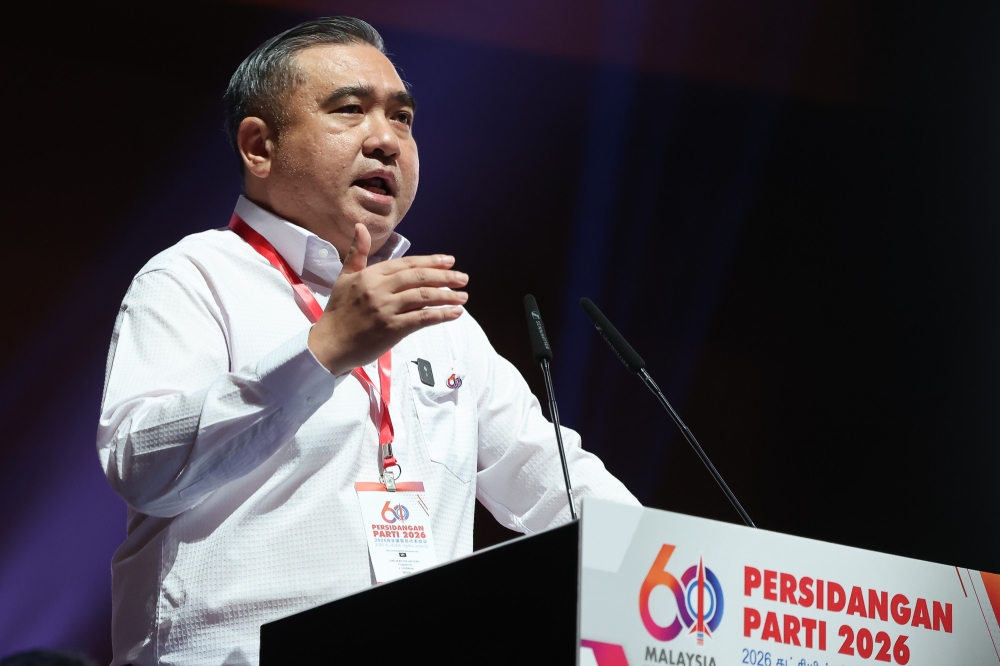
The Democratic Action Party rendered its unequivocal backing for Prime Minister Datuk Seri Anwar Ibrahim's determination to dismantle the Universities and University Colleges Act during proceedings in Putrajaya on August 16, with the party's leadership underscoring its commitment to the measure while simultaneously flagging the need for complementary legislative overhaul. This declaration of support represents a significant alignment within the ruling coalition on an issue that has long animated civil society advocacy and student activism across Malaysian campuses.
Anthony Loke, a prominent DAP figure, articulated the party's position by emphasising that whilst the abolition of AUKU constitutes a meaningful stride forward, the government's reform agenda ought to encompass a substantially wider spectrum of institutional and constitutional modifications. This nuanced stance reflects the DAP's characteristic approach of supporting headline policy directions whilst maintaining pressure for deeper systemic change, a dynamic that has periodically created both productive collaboration and tension within Pakatan Harapan administrations.
The AUKU, which has governed university conduct and restrictions on student political activity since its enactment, has remained a flashpoint in Malaysian debates about academic freedom and democratic participation. The legislation has historically imposed constraints on student organising, union activities, and political expression within higher education institutions, with critics contending that these limitations undermine the development of engaged citizenship and restrict the marketplace of ideas essential to quality tertiary education.
Anwar's commitment to abolishing the act aligns with longstanding pledges made by Pakatan Harapan during electoral campaigns, marking a tangible step toward fulfilling reform commitments articulated when the coalition returned to power. The timing of this initiative reflects broader government priorities regarding institutional modernisation and the cultivation of a more pluralistic political culture, though implementation timelines and the legislative pathway remain subjects requiring clarification.
Loke's insistence that AUKU abolition must form part of a comprehensive reform architecture suggests the DAP envisions changes extending into adjacent areas of constitutional law, freedom of expression protections, and regulatory frameworks governing civil society organisations. This expansive vision indicates the party sees the AUKU question not in isolation but as emblematic of broader restrictions that warrant reconsideration in contemporary Malaysia.
For Malaysian universities and their student populations, the potential removal of AUKU restrictions carries substantial implications. Students currently navigating campus life operate under regulatory environments that constrain political organising and collective expression in ways that many comparable democracies in the region have abandoned or significantly liberalised. The abolition would potentially unlock greater scope for student-led initiatives, academic discourse on political questions, and the development of leadership capabilities through participatory engagement.
The DAP's positioning also carries strategic significance within coalition dynamics. By offering robust support whilst simultaneously pushing for deeper reforms, the party positions itself as simultaneously pragmatic and principled, backing government action whilst reserving the authority to critique insufficiency. This negotiating posture has characterised DAP's role in Pakatan Harapan governance, where the party has typically supported major initiatives whilst maintaining a reform agenda that extends beyond government consensus positions.
From a regional perspective, Malaysian university reform efforts warrant attention given Southeast Asia's varied approaches to higher education governance and student participation. Nations like Thailand and the Philippines have confronted comparable questions regarding the balance between institutional order and political expression, with Malaysia's trajectory potentially influencing policy conversations elsewhere in the region.
The practical implementation of AUKU abolition will require careful attention to replacement frameworks. Whilst removing the act eliminates one set of restrictions, universities will require alternative governance structures addressing institutional discipline, conduct standards, and the maintenance of academic environments conducive to learning. The design of these successor arrangements will substantially influence whether abolition translates into meaningful expansion of campus freedoms or merely shifts authority across institutional hierarchies.
Government officials and coalition partners will likely need to elaborate the timeline for legislative action and clarify the scope of accompanying measures. Whether AUKU abolition will proceed in isolation or within a broader legislative package addressing civil liberties more comprehensively remains an open question with implications for the pace and ambition of reform.
The DAP's declaration additionally reflects recognition that university-based constituencies represent important political constituencies, particularly among younger voters and professional cohorts. Campus activism and student engagement have historically mobilised participation across Malaysian political boundaries, and policies affecting higher education governance carry both principled and electoral dimensions.
Looking forward, the trajectory of AUKU abolition will serve as an indicator of the Anwar administration's capacity to translate campaign commitments into legislative reality and of coalition partners' ability to collaborate on institutional reform whilst maintaining pressure for deeper change. The convergence of DAP support and government initiative suggests this particular reform carries sufficient coalition consensus to advance, though broader questions regarding the comprehensive institutional restructuring that Loke referenced remain unresolved.

