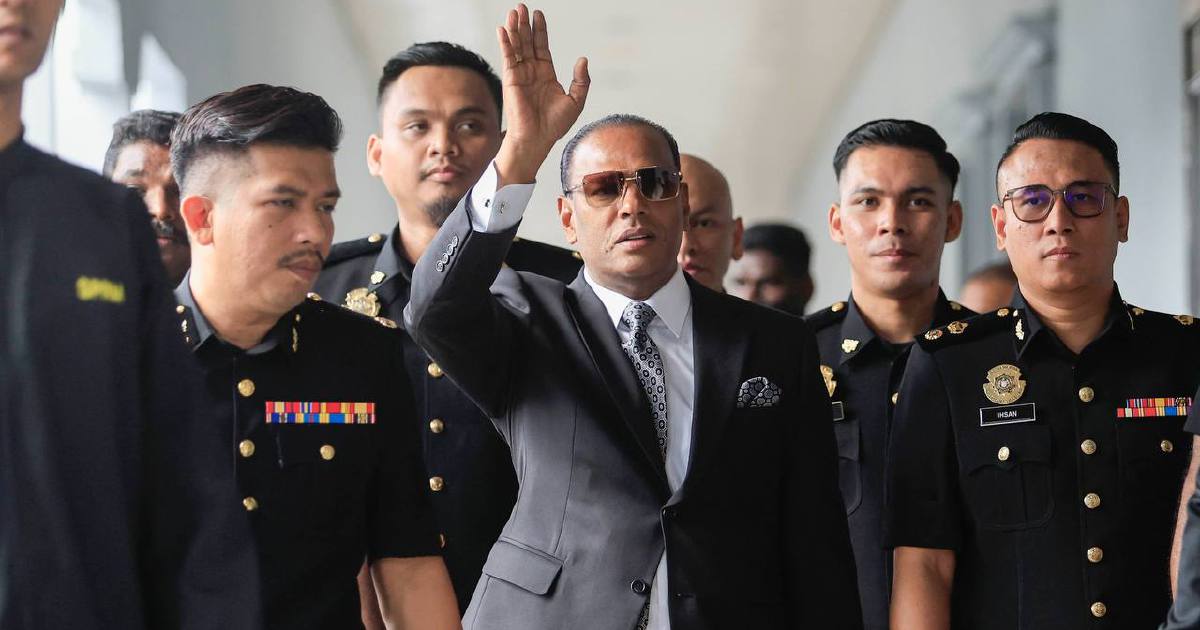
Datuk Seri M. Saravanan, the former Minister of Human Resources, made a highly publicised appearance at the Kuala Lumpur court complex today to address corruption allegations centred on irregularities in the recruitment of overseas labourers. The arrival sparked visible demonstrations of support from his backers, who congregated outside the judicial building to voice their backing, with chants of "Hidup Datuk Seri" reverberating through the courthouse grounds.
The case represents a significant moment in Malaysia's ongoing efforts to combat misconduct within government circles, particularly within the immigration and labour frameworks that govern the nation's dependence on foreign workers. The charges against Saravanan specifically relate to actions allegedly undertaken during his tenure overseeing human resources matters, a portfolio that carries substantial authority over workforce policies and international labour agreements.
The presence of organised supporters at the courthouse underscores the polarising nature of the case within political circles. For many observers, the proceedings symbolise wider questions about accountability within ministerial offices and the mechanisms through which Malaysia addresses allegations of administrative wrongdoing. The vocal demonstrations suggest that significant political constituencies remain invested in the outcome, reflecting deeper divides within Malaysia's political landscape.
Foreign worker recruitment has become an increasingly contentious issue across Southeast Asia, with Malaysia particularly affected by its heavy reliance on migrant labour across construction, manufacturing, domestic service, and plantation sectors. The alleged improprieties in this sphere carry implications that extend beyond individual misconduct, touching upon systemic vulnerabilities that critics argue facilitate abuse and exploitation. Investigations into recruitment irregularities often reveal concerning patterns: excessive fees charged to workers, falsified documentation, and inadequate enforcement of labour protections.
The Ministry of Human Resources holds responsibility for overseeing policies that theoretically safeguard both employer interests and worker welfare. When allegations emerge suggesting ministerial-level involvement in breaching these protections, questions inevitably surface regarding institutional integrity and the adequacy of oversight mechanisms. Such cases prompt examination of whether sufficient independence exists within enforcement agencies to investigate senior officials impartially.
Malaysia's approach to foreign worker management has drawn international attention from labour rights organisations and bilateral partners alike. The country imports hundreds of thousands of workers annually, making recruitment systems critical infrastructure for economic functioning. Allegations of corruption within these systems thus carry ramifications extending to Malaysia's international reputation and bilateral relationships with labour-sending nations, particularly Indonesia, Bangladesh, and Myanmar.
The court proceedings will likely require detailed examination of procurement processes, documentation trails, and communications between government offices and recruitment intermediaries. Such investigations typically reveal complex networks involving multiple stakeholders—government agencies, licensed recruiters, employers, and sometimes irregular intermediaries. Understanding precisely where irregularities occurred and who benefited financially will be central to establishing culpability.
From a domestic political perspective, the case intersects with broader narratives about government accountability and ministerial standards. Malaysian voters have increasingly demonstrated concerns about corruption and abuse of office, particularly regarding misuse of official position for personal or factional advantage. How courts handle such cases sends signals about the state's commitment to addressing wrongdoing among its most senior officials.
The Ministry of Human Resources continues functioning despite the charges against its former leader, though questions may persist regarding internal culture and whether institutional reforms have been implemented to prevent recurrence of similar alleged misconduct. Successor administrations often face the task of restoring public confidence while maintaining operational continuity in critical government functions.
The international dimension warrants consideration as well. Labour-sending nations monitor how Malaysia handles corruption allegations within ministries overseeing foreign worker treatment. Any perception that such investigations proceed selectively or lack rigour could strain diplomatic relationships and potentially discourage official cooperation on mutual labour governance interests.
For Malaysian business sectors dependent on foreign labour, the case raises practical concerns about regulatory stability and the costs of ensuring compliance with proper recruitment procedures. Legitimate operators within the foreign worker recruitment industry may worry about how enforcement uncertainties following ministerial-level charges might affect their operations or government contracting arrangements.
The coming weeks and months will reveal whether investigations substantiate the allegations, what extent of impropriety occurred, and what remedial actions authorities pursue. The court proceedings thus carry significance extending far beyond the individual defendant, encompassing questions about institutional accountability, labour protection systems, and the state's capacity to police misconduct among its own officials. The vocal courtroom demonstrations today reflected genuine political stakes that observers across Malaysia and the wider region are monitoring closely as the legal process unfolds.

