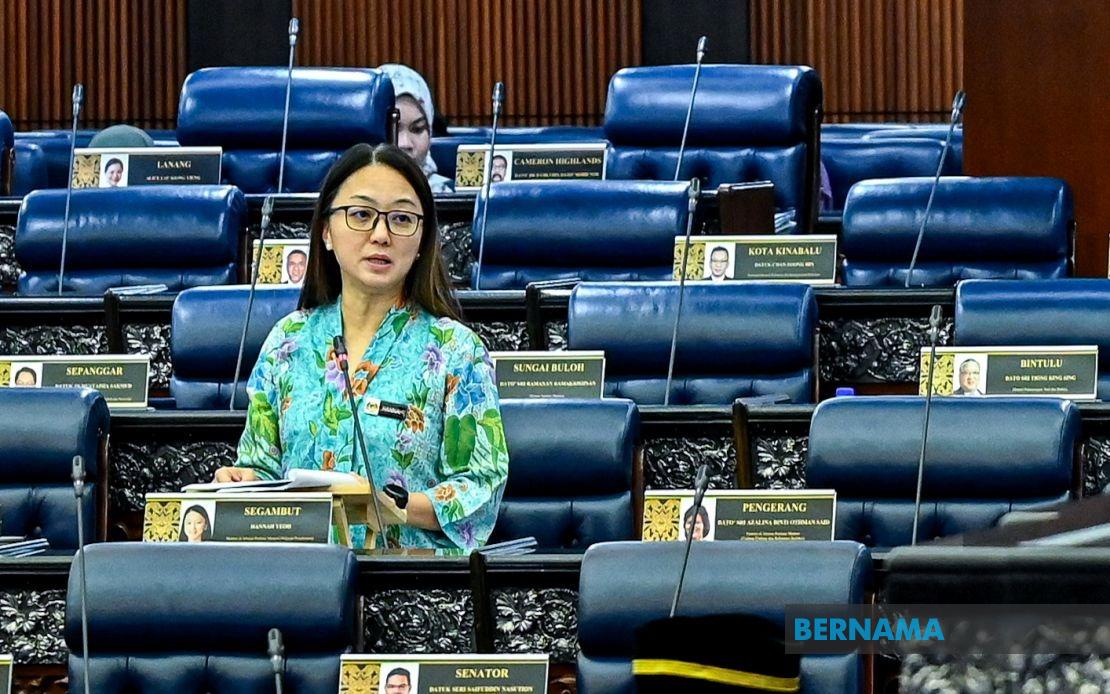
Kuala Lumpur City Hall has embarked on an ambitious governance overhaul, implementing 16 reform initiatives across its administration in response to an embarrassingly low anti-corruption score. The municipal authority, which oversees Malaysia's federal capital, scored just 0.08 per cent out of a possible 5 per cent in the Public Service Corruption Ranking under the 2025 Local Authority Star Rating System—a dismal performance that forced institutional introspection. Minister in the Prime Minister's Department (Federal Territories) Hannah Yeoh disclosed this outcome in parliament, signalling that the findings had catalysed decisive action to rehabilitate public confidence in an institution that touches millions of residents' daily lives.
The stark assessment emerged from an engagement session involving Members of Parliament in Kuala Lumpur on March 2, prompted by an investigation conducted by the International Islamic University Malaysia (IIUM). That study identified four critical recommendations aimed at overhauling DBKL's governance structures, administrative procedures, integrity frameworks, and service delivery mechanisms. Rather than treating these findings as routine feedback, leadership recognised the seriousness of the institutional shortcomings and initiated a systematic response. The transparency with which these weaknesses were acknowledged—and subsequently addressed—represents a departure from defensive institutional behaviour, suggesting genuine commitment to reform rather than performative gestures.
The Malaysian Anti-Corruption Commission had previously pinpointed five procedural vulnerabilities within DBKL's operations that required urgent remediation. These structural gaps extended across multiple operational domains: the management of a radio studio broadcast content production initiative; the administration of Ramadan Bazaar site allocations; oversight of contracts relating to business licensing services; governance of the Malaysian Statutory Bodies Association Sports Championship; and the collection of rental payments from public and people's housing schemes. Each weakness represented either a breakdown in segregation of duties, inadequate documentation, or insufficient supervisory mechanisms—the classic vulnerabilities that create opportunities for misappropriation or improper decision-making. By identifying these five specific areas, investigators had provided a roadmap for remedial action rather than vague generalisations about corruption culture.
Central to DBKL's reform agenda has been the abolition of the Special One Stop Centre (OSC) Committee, a decision reflecting recognition that certain institutional structures had inadvertently concentrated power in ways that invited political interference. The OSC 3.0 Plus Portal, which now operates with greater transparency, has been opened to all Federal Territory Members of Parliament, granting them review access to development applications before mayoral approval. This democratisation of information represents a meaningful shift toward distributed oversight rather than centralised discretion. Simultaneously, DBKL capped the mayor's unilateral authority to approve financial contributions at RM3,000, with any larger amounts requiring Top Management Committee deliberation—a straightforward but effective mechanism to prevent arbitrary expenditure decisions.
The establishment of three new committees underscores institutional commitment to layered governance and conflict prevention. The Audit Committee, Governance and Integrity Committee, and Mayor's Contributions Committee collectively create overlapping accountability structures designed to ensure that no single individual can circumvent established procedures. Notably, the Audit Committee is no longer chaired by the mayor, eliminating a structural conflict of interest that had previously allowed the chief executive to oversee examination of operations for which he bore responsibility. Job rotation policies for officers in sensitive positions follow similar logic: preventing entrenchment of relationships between officials and external stakeholders that might calcify into corrupt arrangements. These measures collectively reflect a shift from personality-dependent governance toward systemic institutional safeguards.
The adoption of body-worn cameras, rolling out beginning in the fourth quarter of this year, extends oversight into the enforcement sphere where citizen interactions occur most frequently. Such visibility mechanisms serve a dual purpose: deterring misconduct by frontline officers whilst generating contemporaneous records that protect legitimate officials against false allegations. This phased implementation suggests recognition that technological adoption requires training and cultural adjustment rather than sudden, disruptive deployment. The move toward digitalised service delivery, meanwhile, addresses another corruption vulnerability: the elimination of human discretion in routine transactions. By converting 170 services to online application systems by July, with targets reaching 180 services by year-end and full digitalisation by 2030, DBKL reduces opportunities for manipulation or unofficial gatekeeping that characterises paper-based systems.
The e-Lesen licensing system exemplifies how technological reform addresses operational corruption. By integrating digital licensing with the Departmental Enforcement System and eliminating reliance on licensed runners who previously acted as intermediaries, DBKL has removed a layer of informal transaction that frequently involved unofficial fees or expedited service charges. The extension of licence validity from annual to three-yearly renewal, effective July 1, further reduces transaction frequency and associated friction points where corrupt demands might materialise. For businesses operating in Kuala Lumpur—from food hawkers to property developers—such systemic changes reduce the hidden costs of bureaucratic interaction and create more predictable operating environments.
These reforms carry particular significance for Malaysian governance precisely because municipal administration represents the state's most intimate interface with citizens. Local authorities collect business taxes, issue building permits, manage public spaces, and enforce bylaws affecting everyday life. When they suffer corruption, the damage extends beyond financial loss to fundamental erosion of public confidence in state institutions. DBKL's scale—serving the nation's capital and millions of residents—amplifies these consequences. The willingness to acknowledge institutional failure and implement systematic corrections provides potential model for other local authorities confronting similar weaknesses. Whilst this does not erase past failures, it demonstrates that Malaysian governance institutions retain capacity for self-correction when external pressure combines with political will.
The broader context reflects growing attention to local authority performance within Malaysia's governance ecosystem. The 2025 Local Authority Star Rating System itself signals official recognition that municipal administration warranted standardised assessment frameworks. DBKL's low score triggered this public reform narrative, but the underlying assessment methodology inevitably reveals gaps across the local authority sector. Other municipalities will face scrutiny against identical standards, creating competitive pressure for institutional improvement. This systematic approach to local governance assessment represents a structural innovation with implications transcending Kuala Lumpur.
However, the test of these reforms extends beyond announcement to implementation fidelity. Establishing committees and digital systems requires sustained commitment beyond the initial enthusiasm phase. Officer compliance with new procedures, citizen utilisation of online services, and genuine cultural shifts toward collective decision-making rather than personalised authority demand ongoing attention. The sixteen initiatives represent necessary structural corrections, yet institutional change ultimately depends on how effectively leadership embeds these mechanisms within daily practice. DBKL's demonstrated willingness to reform, articulated transparently in parliament, has created accountability for follow-through that will become evident in subsequent annual assessments.

