Kuala Lumpur City Hall (DBKL) has unveiled a trio of administrative reforms designed to lighten the regulatory burden on business operators across the capital, signalling a shift towards more trader-friendly governance in Malaysia's largest metropolis. The measures, which take effect immediately, address longstanding pain points in permit processing and premises management that have frustrated the food and beverage sector in particular. The announcement reflects growing recognition among municipal authorities that streamlined procedures can support economic vitality without compromising public safety or urban planning standards.
The centrepiece of DBKL's overhaul establishes a fixed monthly fee of RM30 per set for permits allowing tables and chairs on five-foot ways—the covered walkways adjoining commercial premises that are iconic features of Kuala Lumpur's streetscapes. This standardisation replaces what traders had complained was an opaque and inconsistently applied framework. Applications will be processed through respective DBKL branch offices organised by parliamentary constituency, with decisions based on location suitability and adequate walkway width. Critically, the authority has built in safeguards to ensure that pedestrian circulation, wheelchair accessibility, and emergency services access remain uncompromised—a necessary balance between business convenience and public amenity.
The second reform targets the minor works permit category, which encompasses routine maintenance and renovation activities that pose minimal structural or safety risk, such as tile replacement or ceiling refurbishment. Under the new arrangement, applicants need only complete a straightforward form and formally notify DBKL, with permits issued directly at branch level without unnecessary delays. This approach recognises that low-risk works should not trigger the same laborious assessment processes reserved for structural or architectural modifications. The streamlined pathway is particularly significant for small traders operating on thin margins, where administrative costs and time delays can meaningfully impact profitability.
The third pillar addresses a friction point that has vexed restaurant operators and food establishments: the timeline for reopening premises that have been temporarily shuttered due to hygiene violations or food safety breaches. Previously, the pathway to resumption remained unclear and potentially protracted. Under the revised framework, DBKL will now consider reopening applications within 24 hours of completion of remedial cleaning work, though reinstatement is contingent on successful inspection and confirmed compliance with all hygiene and food safety standards. This represents a material reduction in downtime for affected businesses, while preserving DBKL's enforcement prerogatives and public health obligations.
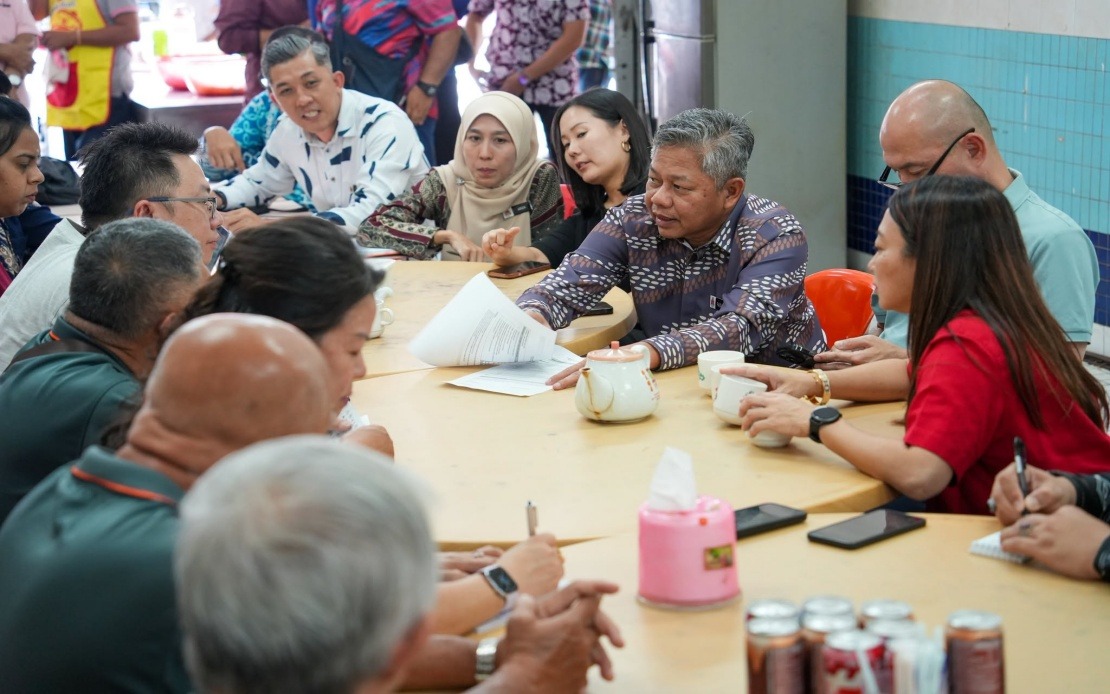
These reforms did not emerge in isolation but rather crystallised from sustained engagement with industry representatives. Hannah Yeoh, Minister in the Prime Minister's Department overseeing Federal Territories, convened a consultation involving Kuala Lumpur Mayor Datuk Seri Fadlun Mak Ujud and delegations from the Selangor and Kuala Lumpur Chinese Coffee Shop and Tea Shops Owners' Association, a coalition representing a substantial segment of the city's hawker and small café ecosystem. A parallel dialogue with the Malaysian Muslim Restaurant Owners' Association (PRESMA) in April similarly surfaced operator concerns, particularly surrounding premises reopening protocols. This consultative approach signals institutional responsiveness to constituency demands and suggests that municipal authorities recognise the political economy of supporting small and medium enterprises in urban settings.
DBKL has emphasised that the new arrangements apply uniformly to all traders satisfying stipulated requirements, irrespective of ethnic background, religious affiliation, or premises category. This universality principle is significant in the Malaysian context, where concerns about differential regulatory treatment along ethnic or religious lines occasionally surface in public discourse. By anchoring reforms in transparent, standardised criteria, DBKL is attempting to forestall accusations of inconsistent or politicised application while building trader confidence in the fairness of municipal administration.
The underlying rationale for these changes rests on a conviction that clear, consistent processes yield measurable benefits across stakeholder groups. For traders, standardisation provides predictability in costs and timelines, reducing the variance that comes from discretionary decision-making by individual officers. For DBKL personnel, documented procedures and explicit criteria narrow interpretive ambiguity, potentially reducing scope for corruption or favour-seeking. The standardisation agenda thus represents a form of administrative modernisation that aligns with broader public sector reform priorities in Malaysia, though implementation effectiveness will depend heavily on institutional capacity and political will at the operational level.
From a broader economic perspective, these reforms sit within a wider conversation about urban competitiveness and the regulatory environment for small businesses in Southeast Asia. Kuala Lumpur competes with regional peers such as Bangkok, Singapore, and Ho Chi Minh City for commercial investment and talent. A reputation for cumbersome, opaque municipal administration can deter entrepreneurship and push economic activity to neighbouring jurisdictions. Conversely, demonstrable progress in reducing red tape—even at modest scales—can enhance the city's positioning as a business-friendly destination. The DBKL reforms, while incremental, signal management's recognition of these competitive dynamics.
The hygiene closure component of the package merits particular attention given Malaysia's heightened food safety consciousness following high-profile contamination incidents in recent years. DBKL has clearly sought to craft an approach that balances operator interests in swift resumption against public health imperatives. The 24-hour window is ambitious but not reckless—it presumes that deep cleaning and disinfection can be accomplished within that timeframe for most infractions, while the mandatory inspection checkpoint ensures that subjective closure decisions are not reversed prematurely. This calibration suggests administrative maturity and willingness to accommodate business needs without sacrificing the credibility of enforcement frameworks.
Looking forward, the success of these measures will be determined not merely by their formal promulgation but by consistent execution across DBKL's decentralised branch structure. Municipal bureaucracies in Malaysia, like their counterparts elsewhere, often struggle with standardisation across geographically dispersed offices. Officers accustomed to discretionary decision-making may resist formalised processes. The authority's commitment to reducing "room for differences in interpretation during implementation" is admirable but will require robust training, monitoring, and accountability mechanisms to translate policy into practice. Traders themselves will need channels to escalate grievances if individual branch offices deviate from stated procedures.
The reforms also carry implications for Kuala Lumpur's broader urban character and street life. Five-foot ways, with their mix of pedestrian traffic, informal commerce, and street furniture, constitute the sensory and economic backbone of the city's commercial corridors and residential neighbourhoods. By facilitating outdoor seating through transparent, affordable permitting, DBKL is implicitly endorsing a vision of vibrant, mixed-use urban space. This philosophical stance contrasts with more austere approaches that minimise street commerce and prioritise vehicle movement. Whether this liberalisation yields the intended results—more animated streetscapes, stronger local economies, and improved trader wellbeing—will merit monitoring in coming months.
The timing of the announcement, appearing as Malaysia navigates post-pandemic economic recovery and heightened competitive pressures from neighbouring countries, underscores official awareness that regulatory environment matters for business confidence. Traders, particularly in the hospitality and food sectors that were disproportionately affected by pandemic disruptions, are sensitive to policies affecting their operational costs and bureaucratic friction. DBKL's action thus carries symbolic weight beyond its technical scope, signalling to business constituencies that municipal leadership remains attuned to their concerns and prepared to iterate administrative practices in response.

