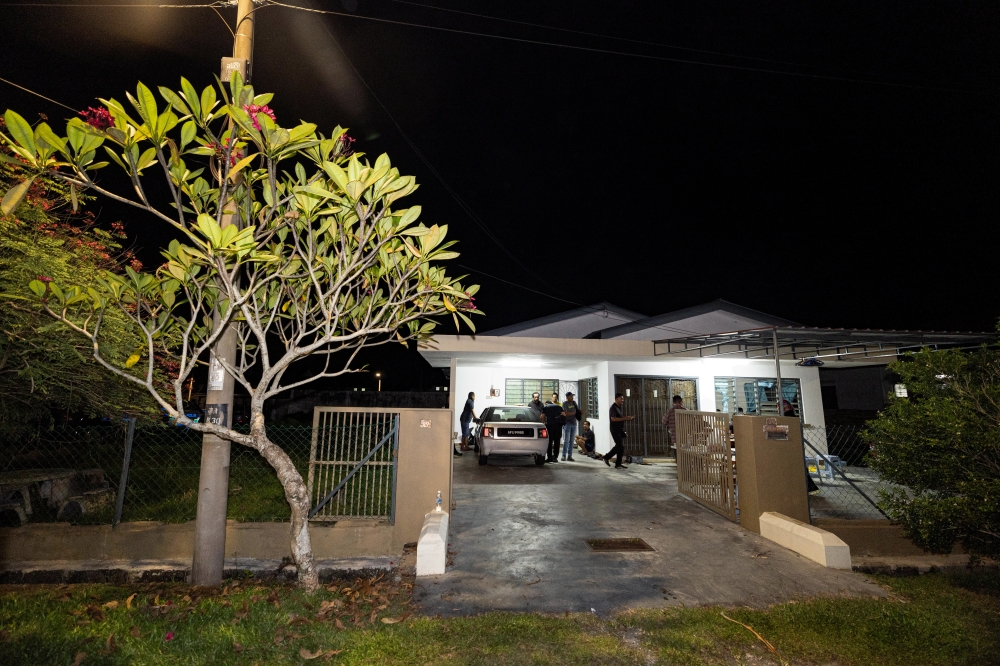
Authorities in Perak have initiated a criminal investigation into the circumstances surrounding the death of a 54-year-old man found at a care facility in the Tanjung Rambutan area of Ipoh, marking another incident that has drawn scrutiny to the management and security protocols at Malaysia's nursing homes.
The discovery has prompted police to classify the case as a potential homicide, signalling that initial findings have led investigators to suspect foul play rather than natural causes or accidental death. The decision to launch a murder probe underscores the seriousness with which authorities are treating the incident and reflects growing public concern over the vulnerability of elderly and dependent residents in care settings across the country.
Tanjung Rambutan has long been known in Perak as a location housing several medical and care facilities, serving both acute and long-term residential populations. The area's reputation as a healthcare hub has been tested repeatedly in recent years as isolated incidents within care institutions have become increasingly visible through media coverage and social media reporting, prompting both families and oversight bodies to demand stricter accountability measures.
The death itself underscores broader questions about the adequacy of staffing levels, security infrastructure, and background checks at residential care facilities throughout Malaysia. Nursing homes operate under regulatory frameworks established by the Ministry of Health and state health departments, yet enforcement mechanisms and surprise inspections remain inconsistent across different states, creating potential gaps in oversight that can leave vulnerable populations at risk.
For Malaysian families with elderly or disabled relatives in residential care, such incidents trigger immediate concerns about the adequacy of existing safeguards and the trustworthiness of institutions entrusted with vulnerable care. Many families face difficult decisions about placement options when relatives require full-time residential care, often balancing cost considerations against quality and safety concerns—a tension that becomes particularly acute when tragedies occur.
The police investigation will likely examine facility records, staff conduct, visitor logs, and any surveillance footage available at the home. Investigators will need to establish a clear timeline of events and identify anyone who may have had contact with the deceased during the period preceding his death. Interviews with staff members, other residents, and any visitors will form a critical component of the probe.
This incident arrives amid ongoing discussions in Malaysia about strengthening regulations governing private care homes and nursing facilities. Stakeholders including healthcare professionals, social workers, and advocacy groups have repeatedly called for mandatory compliance with stricter international standards, more frequent audits, and enhanced training requirements for care staff. The absence of unified national standards has allowed considerable variation in quality and safety practices across different facilities and states.
The case also raises questions about how effectively Malaysia's healthcare and welfare systems communicate concerns about elder abuse or suspicious circumstances. Mandatory reporting protocols exist in theory, but their implementation varies widely, and some care facility staff may lack training in recognising signs of harm or understanding their obligations to report suspicious circumstances to authorities.
As the police investigation proceeds, the facility itself may face temporary operational restrictions or enhanced scrutiny from health authorities. Depending on preliminary findings, regulatory bodies may conduct comprehensive reviews of staffing qualifications, security measures, and adherence to care standards. Such reviews, while potentially disruptive to operations, are considered necessary to maintain public confidence in the sector.
For the broader Southeast Asian region, this incident reflects a pattern seen across several countries as populations age and demand for residential care increases faster than regulatory frameworks can adapt. Many nations in the region have struggled to balance the growth of private care businesses with adequate consumer protection, creating situations where vulnerable populations may be at greater risk than necessary.
The outcome of this investigation could significantly influence how both state and federal authorities approach regulation and oversight of care facilities going forward. Should evidence of negligence or institutional failure emerge, it may accelerate discussions about implementing more stringent licensing requirements, mandatory training standards for all care personnel, and more robust grievance mechanisms for families and residents.
Meanwhile, the incident serves as a reminder to families seeking care placement for elderly relatives to conduct thorough due diligence, including checking regulatory histories, speaking with families of current residents, and understanding what security and supervision measures are in place. Advocacy organisations in Malaysia have published guidelines to help families assess care facility quality, though many remain unaware of these resources.
As investigators work through the evidence, the case will be closely followed not only by the deceased's family and the facility's current residents but also by advocates and policymakers concerned with ensuring that Malaysia's care sector maintains standards befitting a developed nation with responsibility toward its most vulnerable citizens.

