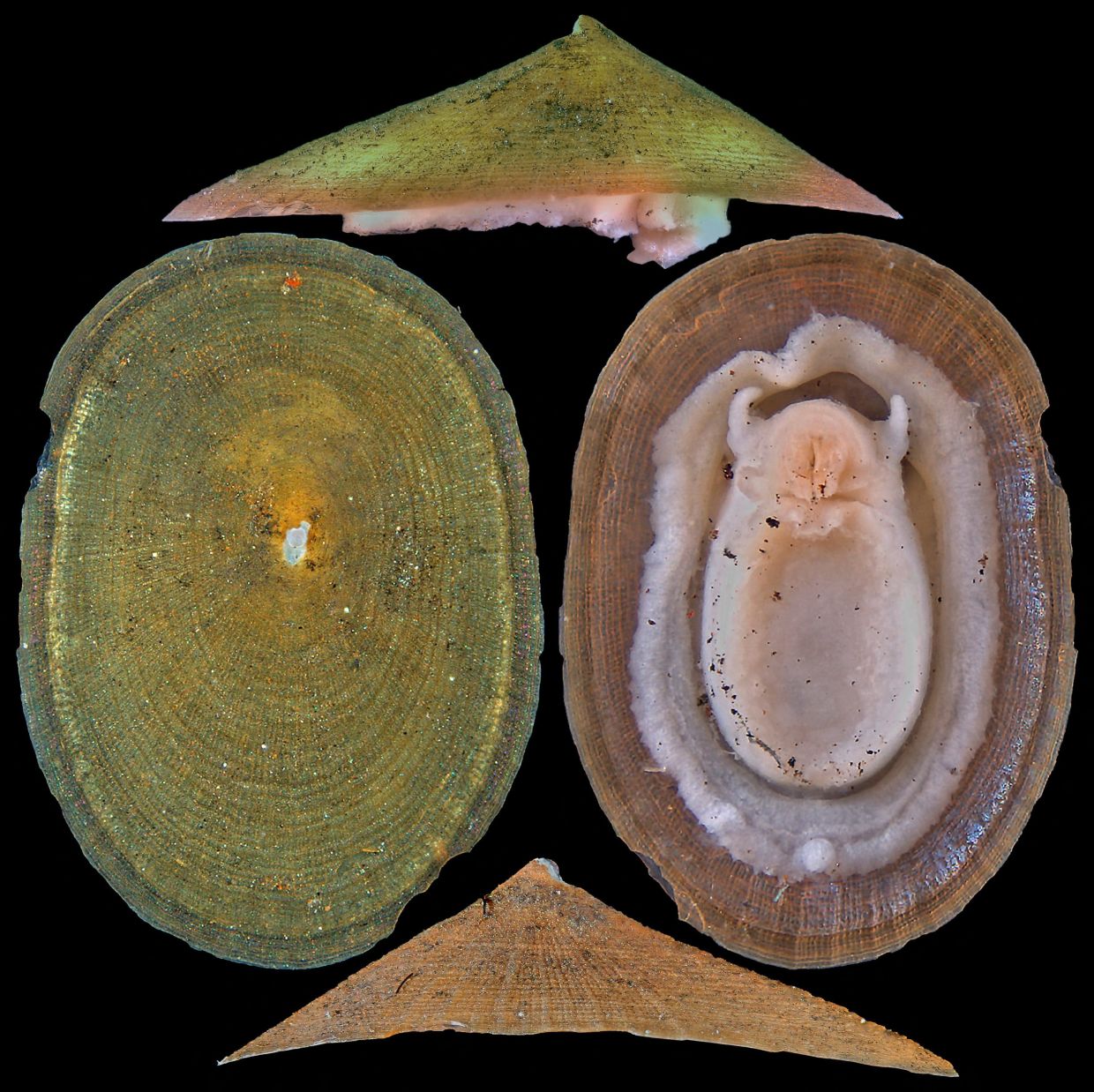
The International Union for Conservation of Nature has sounded an urgent alarm over the fate of creatures inhabiting Earth's most extreme marine environments. In an updated assessment released Thursday, the IUCN determined that more than three-fifths of all mollusk species dependent on hydrothermal vent ecosystems face serious extinction risk from expanding deep-sea mining operations. The finding underscores a growing tension between humanity's mineral appetites and the survival of biological communities that have evolved over millennia in conditions most organisms cannot endure.
According to the IUCN's latest Red List of Threatened Species, exactly 62 percent of endemic hydrothermal vent molluscs—representing 125 out of 201 known species globally—face extinction primarily due to deep-sea mining activities targeting valuable mineral deposits on the ocean floor. This comprehensive assessment, which now catalogues 175,909 species overall, reflects an expansion from the previous edition's 172,620 entries. The number of species classified as threatened with extinction has also climbed to 49,505, up from 48,646 recorded previously, illustrating the relentless pressure mounting across multiple taxonomic groups.
The molluscs inhabiting these extreme depths—reaching up to 5,000 metres below the ocean surface—include diverse forms such as snails, limpets, mussels, clams, and chitons. These creatures have adapted to thrive in the vicinity of hydrothermal vents, where water temperatures can exceed 450 degrees Celsius. Many of these species have only recently entered scientific literature, with the majority discovered within the past decade. The tragedy, as conservation experts emphasise, is that barely have these organisms been catalogued before they face existential threats from human industrial activity.
The mechanism of harm stems from the sediment plumes generated during seabed exploration and extraction operations. These turbid clouds smother the animals and disrupt their physiological capacity to absorb essential nutrients from their environment. The disruption represents more than temporary inconvenience—it strikes at the fundamental life-support systems these organisms depend upon. Julia Sigwart, representing the IUCN's mollusc specialist group, characterises these creatures as among the most threatened animal categories globally and emphasises that decisions made in the coming period will fundamentally determine their survival prospects.
The scientific community has previously taken a stance on this issue. The IUCN passed a resolution in 2021 advocating for a comprehensive moratorium on deep-sea mining activities unless robust marine environmental protections can be demonstrated and enforced. This position reflects recognition that current regulatory frameworks may prove inadequate to protect fragile seabed ecosystems from industrial-scale extraction. Grethel Aguilar, heading the IUCN, articulated the broader conservation imperative, noting that life on Earth has exhibited remarkable ingenuity in adapting to the planet's harshest environments. Yet precisely those creatures bearing the most ingenious survival strategies now find themselves vulnerable as global pressures on biodiversity intensify.
The updated Red List extends beyond deep-sea molluscs in highlighting conservation challenges across terrestrial and marine realms. The desert rain frog, a species that achieved notable social media popularity, has experienced status deterioration, moving from "near threatened" to "vulnerable" on the IUCN's threat scale. This amphibian's decline in southern Africa reflects pressures from diamond mining operations and energy infrastructure development along the west coasts of South Africa and Namibia. Modelling projections suggest that without intervention, the species' population will contract by approximately 20 percent over the next decade, marking a measurable trajectory toward further endangerment.
Conversely, the Red List also documents encouraging examples of recovery where dedicated conservation measures have proven effective. Australia's numbat, a small marsupial more formally termed the banded anteater, represents a success narrative within the latest assessment. This species has improved from "endangered" status to "near threatened" classification, reflecting population growth from merely several hundred individuals during the 1970s to current estimates between 2,000 and 3,000 animals. Captive breeding initiatives and habitat protection programmes have demonstrably reversed the trajectory of decline, offering a model for conservation impact.
John Woinarski, co-chair of the IUCN's Australasian marsupial and Monotreme specialist group, emphasises that such recovery outcomes demand sustained commitment over extended timeframes through collaborative effort across multiple stakeholders. The numbat's resurgence proves that extinction is not inevitable when resources and political will align behind protective measures. However, Woinarski cautions that without continued vigilance, invasive predators—particularly introduced cats and foxes—will persistently threaten Australian marsupials and native rodents, potentially undoing conservation achievements already secured.
For Southeast Asian observers, these global conservation dynamics carry particular relevance. The region's marine biodiversity and expanding maritime industries create potential flashpoints similar to those affecting deep-sea ecosystems elsewhere. Malaysia's position as a major maritime economy and home to significant marine resources means developments in international seabed mining governance will influence regional environmental policy. The IUCN's findings suggest that comprehensive environmental impact assessments and adaptive management frameworks must precede any deep-sea resource extraction in regional waters, particularly given the probability of discovering endemic species adapted to local hydrothermal environments that remain scientifically undocumented.
The broader implication of the updated Red List involves acknowledging that conservation cannot remain confined to charismatic megafauna or terrestrial ecosystems. The molluscs dwelling in crushing pressures and scalding temperatures represent genuine biodiversity heritage warranting protection, even when commercial incentives push toward exploitation. The intersection of technological capability—now enabling seabed mining—and regulatory uncertainty creates a window where decisions made today will reverberate through geological timescales, potentially determining whether remarkable deep-sea communities survive to the next century or vanish before science has fully documented them.

