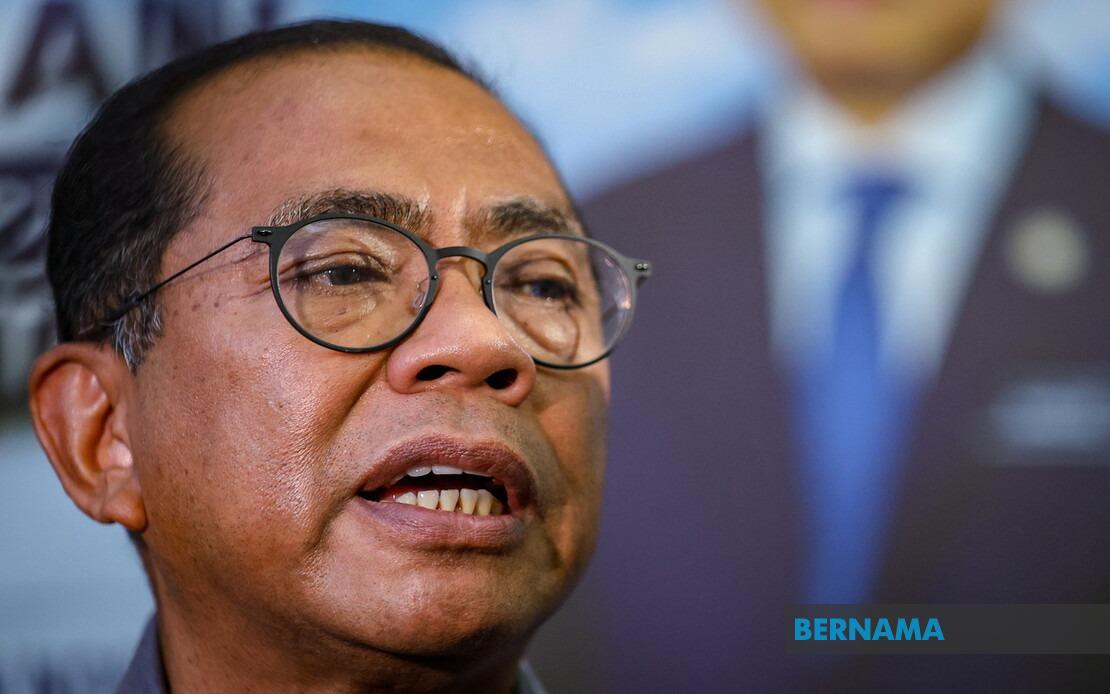
Datuk Seri Mohamed Khaled Nordin, Malaysia's Defence Minister, has commenced a two-day official visit to Vietnam with the primary objective of strengthening defence cooperation and elevating bilateral military ties. His arrival at Noi Bai International Airport in Hanoi marks a significant moment in the defence relations between the two Southeast Asian nations, representing his first trip to Vietnam in an official capacity since his appointment to the defence portfolio.
The timing of this diplomatic mission underscores the importance Malaysia places on maintaining robust security partnerships within the region. Vietnam, as a fellow Southeast Asian country and a strategic player in regional stability, has long been considered an important defence partner for Malaysia. The visit signals renewed commitment to deepening ties at a time when regional security challenges and evolving geopolitical dynamics continue to shape Southeast Asia's strategic landscape.
During his stay, Mohamed Khaled is scheduled to hold high-level meetings with Vietnam's Prime Minister Le Minh Hung and Deputy Prime Minister and Minister of National Defence Gen Phan Van Giang. These engagements reflect the formal nature of the visit and the elevated level at which bilateral defence discussions will take place. Such meetings typically provide platforms for candid exchanges on shared security concerns, regional developments, and avenues for expanded military cooperation.
The relationship between Malaysia and Vietnam in defence matters has been characterized by decades of constructive engagement. Both nations have demonstrated consistent interest in maintaining peace and stability across the South China Sea and the broader Southeast Asian region. This longstanding partnership provides a solid foundation upon which contemporary defence initiatives can be built and expanded.
A pivotal marker in the evolution of Malaysia-Vietnam defence relations came with the renewal of the Memorandum of Understanding on defence cooperation in December 2023. This formal agreement represents a deliberate reaffirmation by both governments of their mutual commitment to advancing bilateral military collaboration. The renewal suggests that both countries view their defence partnership not as static but as a dynamic relationship requiring periodic reassessment and revitalization to remain relevant to contemporary security challenges.
Mohamed Khaled has articulated his aspiration that this visit will propel Malaysia-Vietnam defence relations to new heights. Such ambitions typically translate into concrete initiatives including enhanced military training exchanges, joint exercises, intelligence sharing arrangements, and collaborative approaches to maritime security. For Malaysia, cooperation with Vietnam carries particular relevance given shared interests in maintaining freedom of navigation and ensuring maritime stability in contested waters.
The potential for expanded cooperation between the two countries extends across multiple domains within the defence sector. Naval cooperation remains particularly significant given both nations' maritime interests and their shared commitment to upholding international law at sea. Air force collaboration, personnel exchanges, and defence technology partnerships also represent areas where Malaysia and Vietnam can deepen engagement. Additionally, cybersecurity and information warfare capabilities have emerged as contemporary defence concerns that both nations are increasingly focused upon.
From a regional perspective, stronger Malaysia-Vietnam defence ties contribute to a broader architecture of security cooperation within Southeast Asia. Both countries are members of ASEAN, which has consistently advocated for peaceful resolution of disputes and maintenance of regional stability. Bilateral defence cooperation between member states strengthens the collective security posture of the organization and reinforces ASEAN's centrality in regional affairs.
For Malaysia specifically, Vietnam represents an important strategic anchor in Southeast Asia. While Malaysia maintains defence relationships with various partners globally, its regional partnerships are particularly crucial for addressing shared challenges including maritime security, terrorism prevention, and maintaining balance amid great power competition in the Indo-Pacific region. A strengthened defence partnership with Vietnam enhances Malaysia's ability to respond effectively to these multifaceted security challenges.
The visit also carries significance in demonstrating Malaysia's proactive diplomatic engagement in the region. Rather than remaining passive in defence matters, Malaysia is actively initiating high-level military diplomacy. This approach signals to regional and international observers that Malaysia is committed to taking strategic initiative in shaping its security environment and maintaining relevance as a responsible regional actor.
Both nations face common challenges stemming from their maritime geography and their positions within strategic sea lanes crucial to global commerce. Enhanced defence cooperation provides mechanisms for addressing these shared concerns through institutionalized channels. Joint maritime patrols, coordinated responses to non-traditional security threats, and information exchanges become more feasible when underpinned by robust bilateral defence frameworks.
Looking forward, Mohamed Khaled's visit is expected to yield specific agreements or understandings that will operationalize the commitment expressed in formal documents like the December 2023 Memorandum of Understanding. These practical arrangements will determine whether defence cooperation translates from diplomatic statements into tangible improvements in military interoperability and coordinated security operations.
The broader context for this visit includes evolving regional security dynamics, including developments in the South China Sea and the emergence of new security paradigms affecting Southeast Asia. Malaysia and Vietnam, through deeper defence engagement, are positioning themselves to address these emerging challenges collaboratively. This visit therefore represents not merely a courtesy call between friendly nations but rather a strategic necessity in navigating contemporary security complexities that transcend individual national borders.

