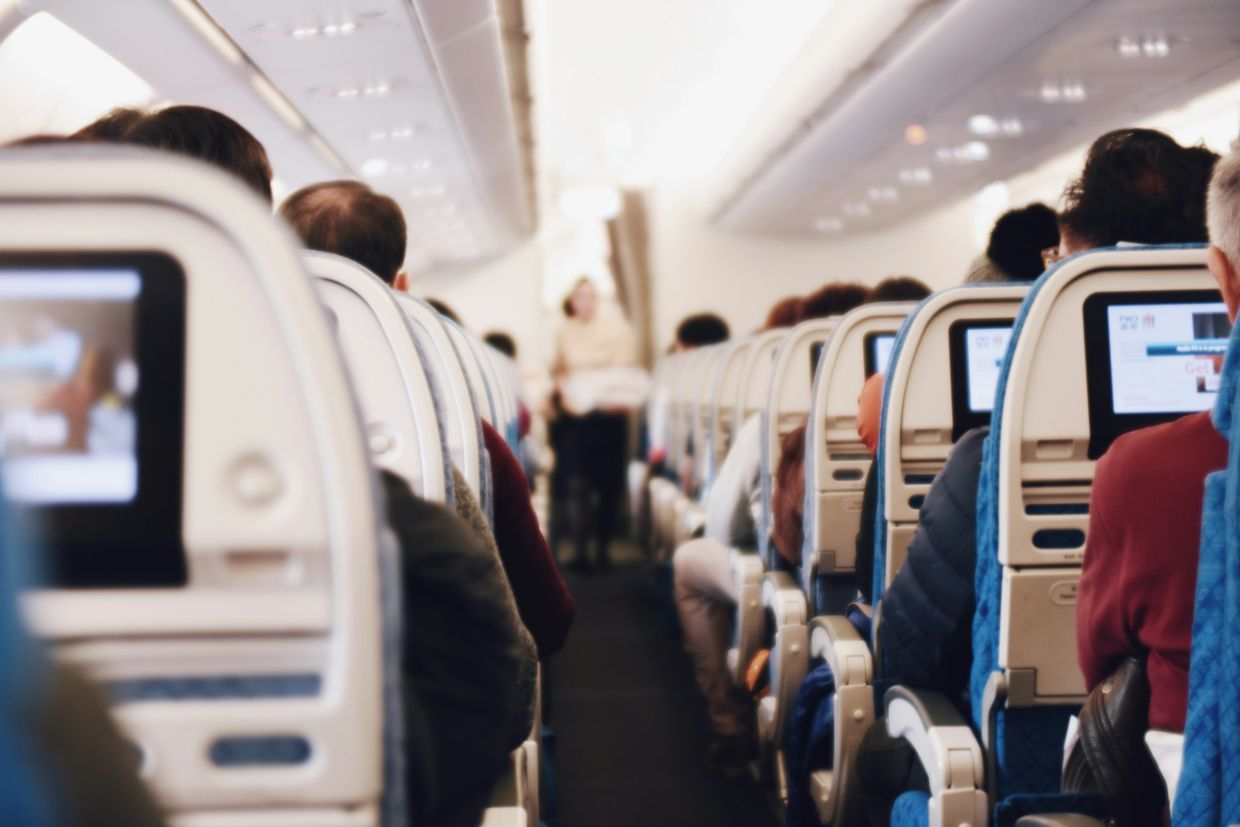
Delta Air Lines has launched a formal investigation into an unauthorised WiFi network that activated aboard one of its aircraft during a flight from Las Vegas on Monday, August 10. The incident occurred just hours after the Nevada city wrapped up DefCon, widely recognised as the world's premier gathering of hackers and cybersecurity professionals. The unexpected network appeared for a brief window before the flight crew took action to deactivate the Boeing 757's entire WiFi system for approximately half an hour, disrupting passenger connectivity but triggering no broader alarms among aviation authorities.
Delta spokesperson Morgan Durrant emphasised in a statement released on August 11 that the activation represented no genuine threat to flight safety or operational integrity. The airline is collaborating with federal law enforcement and aviation regulators to reconstruct exactly what occurred, though the company stressed that no Delta system was compromised and that air traffic control personnel never felt the incident warranted an emergency declaration. The carrier's WiFi disruption was a precautionary measure taken while the nature of the unauthorised network remained unclear, but the aircraft's critical navigation and safety systems operated normally throughout.
Federal authorities have confirmed their awareness of the situation. The FBI's Atlanta office acknowledged receiving reports of a "potential WiFi-related incident" affecting the flight and indicated ongoing coordination with local and corporate partners, though spokespeople declined to elaborate beyond these basic acknowledgments. This measured official response contrasts with the initial uncertainty surrounding the event, suggesting that investigative agencies have already gathered preliminary information suggesting the incident was isolated rather than part of a coordinated or sophisticated attack.
The FAA similarly confirmed it was examining the incident, with agency representatives noting a critical distinction that may alleviate public concerns: even a successful breach of an aircraft's onboard WiFi system would remain entirely separate from the systems controlling flight operations. This separation is by design, reflecting decades of aviation security architecture built on the principle that passenger connectivity and passenger comfort systems operate on completely isolated networks from those governing navigation, communications with air traffic control, and engine management.
The timing of the incident raises immediate questions about whether attendees of DefCon, held in Las Vegas over the preceding weekend, might have been involved. Delta Flight 591 was heading toward Atlanta when the WiFi network appeared, meaning many passengers aboard likely included information security professionals returning home from the conference. A DefCon spokesperson stated that conference organisers had not been contacted by either Delta or law enforcement but confirmed plans to investigate independently. The conference has issued a firm statement that it does not encourage or condone illegal activities, adding that any attendee found responsible would face permanent banishment from future DefCon events along with an apology issued to those affected.
Cybersecurity experts have weighed in on the technical feasibility of such an attack. Lennart Koopmann, founder of cybersecurity firm Nzyme which specialises in defending against close-range wireless attacks, explained that disrupting an existing WiFi network and replacing it with a fraudulent access point requires relatively minimal resources and expertise. The attack fundamentally works by overwhelming legitimate signals and offering attackers' equipment as an alternative connection point, potentially allowing them to intercept and read unencrypted data passing across passenger devices before transmission to the broader internet.
What makes this particular incident noteworthy from a security perspective is the accessibility of the technology required. Koopmann noted that battery-powered devices capable of executing such an attack can be manufactured into packages smaller than a cigarette box and retail for approximately $250 (RM1,022). These tools represent standard equipment for security researchers and penetration testers who legitimately use them to identify vulnerabilities in wireless systems. The low cost and compact form factor mean that a curious or mischievous conference attendee might plausibly have attempted an experiment aboard the aircraft simply to test what they had learned or demonstrated at DefCon.
The incident highlights an evolving tension in aviation security between maintaining passenger convenience and preventing novel wireless-based attacks. Airlines have invested heavily in providing in-flight WiFi as a competitive advantage, yet the very systems offering this amenity create potential vulnerabilities that, while not directly threatening flight safety, do expose passengers' data to interception. The rapid response by Delta's crew—deactivating the system within minutes of detecting the anomalous network—demonstrates that operational procedures exist to neutralise such threats immediately, even if the underlying vulnerability cannot be eliminated entirely without sacrificing the service itself.
For Malaysian and Southeast Asian aviation authorities, the incident provides a timely reminder of emerging cybersecurity challenges affecting regional airlines. As budget carriers throughout the ASEAN region increasingly introduce onboard WiFi as a cost-recovery and customer satisfaction measure, similar incidents could occur without warning. The DefCon attendee hypothesis, if confirmed, would underscore how international cybersecurity conferences can inadvertently inspire participants to test skills acquired during training sessions in real-world environments, occasionally crossing ethical and legal boundaries.
The investigation remains ongoing, with Delta emphasising that determining a complete set of facts will require time. Neither airline nor authorities have publicly identified any suspects or confirmed whether a passenger, crew member, or someone with airport access was responsible. The incident itself caused no lasting disruption to the flight, which continued safely to Atlanta, but it has prompted broader reflection among the aviation industry about managing WiFi security without compromising the passenger experience that modern air travel increasingly demands. How Delta and other carriers respond to findings from this investigation could influence wireless security protocols across the global aviation sector for years to come.

