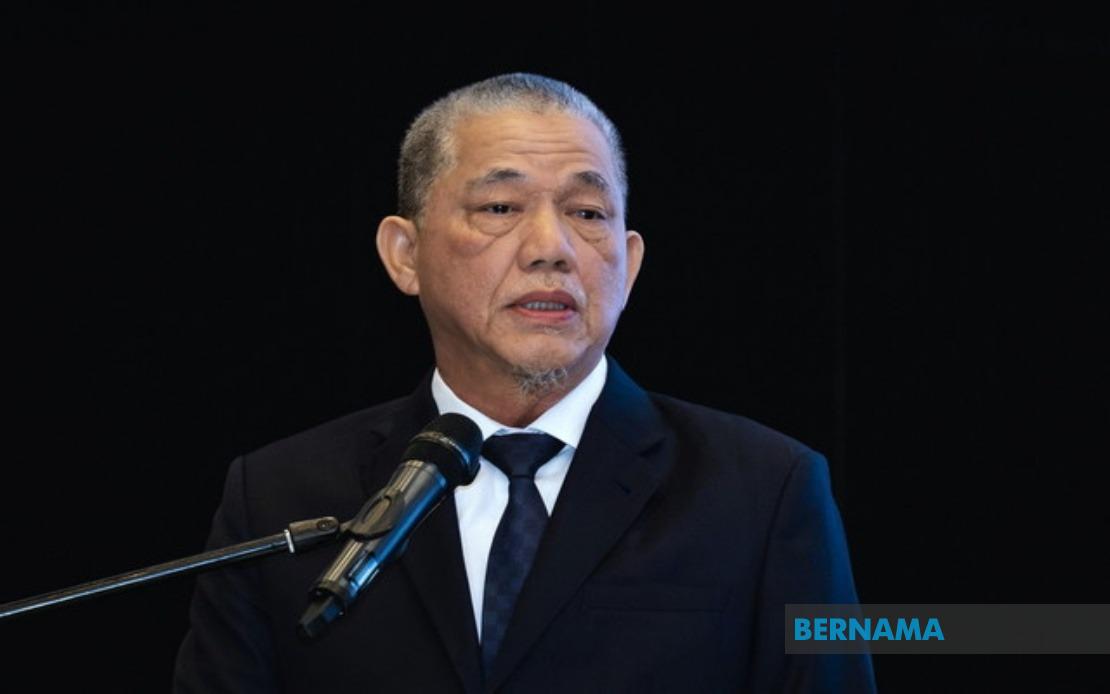
Deputy Prime Minister Datuk Seri Fadillah Yusof is set to undergo heart bypass surgery at the National Heart Institute (IJN) in the near future, according to an announcement from his office on Friday. The confirmation came through a statement by Datuk Misiah Taib, who serves as press secretary to both the Deputy Prime Minister and the Minister of Energy Transition and Water Transformation (PETRA).
The decision to proceed with the surgical intervention follows recommendations made by Fadillah's medical team after what appears to have been a period of medical assessment and consultation. Bypass surgery represents a significant intervention typically recommended when coronary arteries become substantially blocked, restricting blood flow to the heart muscle. The procedure involves grafting healthy blood vessels to create alternative pathways around the damaged sections, thereby restoring adequate circulation.
Fadillah, who holds two critical positions in the current administration, is reported to be maintaining stable health at present. His medical team has advised him to undertake complete rest during the period leading up to the procedure, minimising his official engagements and public activities. The guidance also extends to limiting visitor access, a standard precaution designed to protect the patient's condition and allow undisturbed preparation for the impending surgery and recovery period.
The National Heart Institute, located in Kuala Lumpur, stands as Malaysia's premier cardiac care facility and serves as the national referral centre for complex heart conditions. The institute is equipped with advanced diagnostic and surgical capabilities, making it the logical choice for such procedures involving high-profile patients requiring specialised cardiac intervention.
The timing of this announcement carries implications for Malaysia's political landscape, as Fadillah holds significant responsibility in the government's energy transition agenda. His absence during the recovery period may necessitate the delegation of certain ministerial functions, potentially affecting policy decisions and strategic initiatives related to energy transformation and water management. However, the government's focus at this juncture appears centred entirely on ensuring the Deputy Prime Minister receives the best possible medical care.
For Malaysian readers, this development underscores the broader health challenges facing senior government officials and the importance of maintaining robust succession planning within the administration. Heart disease remains a leading cause of mortality and morbidity across Southeast Asia, affecting individuals across all socioeconomic strata. The public nature of Fadillah's condition serves as an implicit reminder of the prevalence of cardiovascular disease in the region and the critical role played by institutions like IJN in managing such conditions.
The family's request for privacy during this period is typical in cases involving senior political figures undergoing major surgery. This approach allows Fadillah to focus entirely on his medical treatment without the additional stress that might accompany extensive public scrutiny or media engagement. The request for public prayers reflects a cultural sensitivity appropriate to Malaysia's multifaith society and demonstrates the family's reliance on community support during this challenging period.
The statement emphasised that Fadillah's condition remains stable, providing reassurance to both the public and colleagues within government. Stability prior to major cardiac surgery is an important prognostic indicator, suggesting that the medical team has had adequate opportunity to optimise his physical condition before the intervention. Post-operative recovery from bypass surgery typically spans several weeks, with most patients gradually resuming their usual activities over a period of months depending on their individual healing trajectory and rehabilitation progress.
The appreciation extended by the family to various parties reflects the extensive network of support typically mobilised around senior government figures facing medical challenges. This acknowledgment includes colleagues, well-wishers, and the broader public community whose concern and encouragement can play a meaningful role in the psychological aspects of recovery. The emphasis on collective goodwill underscores the human dimension of political leadership, a reminder that those in high office are ultimately individuals facing the same health vulnerabilities as the broader population.
As Malaysia continues to navigate complex policy challenges, the Deputy Prime Minister's medical situation will likely remain a background consideration in government operations during the coming weeks. The administration's ability to manage routine business effectively during Fadillah's recovery period will be an important test of institutional resilience and succession planning. The hope expressed by the family, that Fadillah will make a full recovery and return to his duties, reflects the expectation that his medical intervention will prove successful, allowing him to continue his contributions to national governance.

