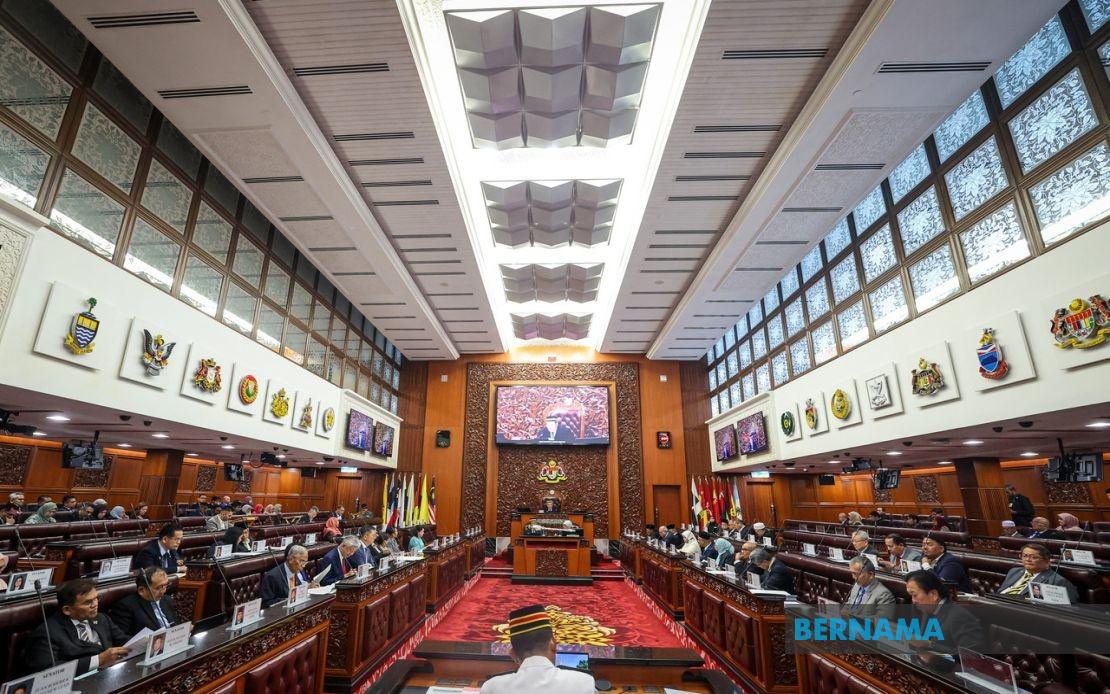
Malaysia's upper house of parliament concluded its second meeting of the fifth parliamentary term on August 4 after a 10-day sitting that resulted in the passage of 12 substantive bills spanning critical areas of national governance. The legislative output reflects the Dewan Negara's ongoing role in scrutinising and refining government legislation whilst maintaining Malaysia's commitment to comprehensive legal reform across multiple sectors.
The session, which commenced on July 20, proved particularly productive in addressing contemporary challenges facing the nation. Beyond the legislative agenda, the sitting represented a milestone by reintroducing the Adjournment Speech debate mechanism under Standing Order 16 for the first time since 2022, reviving a parliamentary tradition that allows for broader discussion of governance matters beyond formal bill amendments. This procedural development underscores the upper house's capacity to engage substantively with issues affecting Malaysian society beyond the narrow confines of legislative amendments.
Two motions debated during the adjournment period reflected concerns grounded in Malaysia's economic realities. The first motion addressed the mounting threat posed by extreme cross-border e-commerce platforms—specifically citing Pinduooduo and Temu—to Malaysia's micro, small and medium enterprise sector and broader retail ecosystem. These Chinese-based platforms have disrupted traditional retail channels through aggressive pricing and direct consumer access, presenting both competitive pressures and regulatory complexities that warrant parliamentary attention. The second motion tackled democratic accessibility by proposing early voting or postal voting provisions for auxiliary police members, a group whose operational schedules often conflict with standard polling arrangements.
The legislative agenda demonstrated breadth across governance domains. The Cybercrimes Bill 2026 represents perhaps the most significant enactment, positioning Malaysia within global efforts to combat digital criminality. As cyber threats escalate across Southeast Asia and globally, Malaysia's updated legislative framework strengthens enforcement mechanisms and deterrents against cybercriminal activity, affecting everything from data protection to financial system integrity. This legislation carries particular relevance for Malaysia's growing digital economy and financial services sector.
Transport safety received attention through the Road Transport (Amendment) Bill 2026, which modernises regulations governing Malaysia's increasingly complex vehicular landscape. Given Malaysia's road safety challenges and the need to adapt regulations for emerging technologies such as autonomous vehicles and ride-sharing services, such amendments carry practical implications for public safety and transport industry operations.
The criminal justice system received reinforcement through multiple bills. The Witness Protection (Amendment) Bill 2026 strengthens safeguards for individuals providing testimony in legal proceedings, enhancing judicial efficacy in serious criminal cases. The Sexual Offences against Children (Amendment) Bill 2026 demonstrates parliament's commitment to child protection, a priority increasingly recognised across Southeast Asia as critical to societal wellbeing. These amendments reflect evolving understanding of vulnerabilities within the justice system and contemporary challenges to child safety.
Competition law underwent significant revision through paired bills—the Competition (Amendment) Bill 2026 and the Competition Commission (Amendment) Bill 2026. These measures shape Malaysia's regulatory environment for business operations, directly affecting consumer welfare, market fairness, and entrepreneurial activity. Strengthened competition frameworks encourage innovation whilst protecting consumers from monopolistic practices, critical considerations for Malaysia's aspirations toward high-income nation status.
Agricultural regulation received parliamentary attention through the Padi and Rice Control (Amendment) Bill 2026, reflecting ongoing concerns about food security and support for Malaysia's farming sector. Rice remains strategically important to Malaysia's food supply and rural economies, making regulatory frameworks governing production and distribution significant policy matters. Similarly, the National Trust Fund Bill 2026 addresses investment and financial management mechanisms central to national economic stability.
Professionalisation of social work standards proceeded through the Social Work Profession Bill 2026, recognising the sector's growing importance in addressing social challenges ranging from family breakdown to mental health support. This legislation elevates professional standards whilst potentially improving service quality for vulnerable populations. The Communications and Multimedia (Amendment) Bill 2026 and its companion Malaysian Communications and Multimedia Commission (Amendment) Bill 2026 modernise Malaysia's digital governance frameworks, addressing evolving challenges in content regulation, digital rights, and telecommunications industry structure.
The Statistics Bill 2026 rounds out the legislative agenda by strengthening Malaysia's statistical infrastructure, essential for evidence-based policymaking across government agencies. Reliable data underpins effective governance and allows for informed decision-making on issues ranging from economic policy to social programme targeting.
Dewan Negara Speaker Datuk Awang Bemee Awang Ali Basah highlighted in his adjournment remarks the value generated through senators representing diverse professional and ethnic backgrounds engaging substantively with proposed legislation. This characterisation of parliamentary debate as enriching checks-and-balances mechanisms reflects the upper house's institutional self-understanding as a deliberative body rather than merely a legislative rubber-stamp. The emphasis on democratic processes and constitutional supremacy, articulated in connection with National Day and Malaysia Day observances, situated the legislative work within broader frameworks of national governance and civic obligation.
The session's output demonstrates Malaysia's parliament maintaining active engagement with complex governance challenges whilst balancing representation, deliberation, and legislative efficiency. These bills, spanning cybersecurity to agriculture, reflect a government addressing contemporary pressures whilst maintaining democratic processes in the upper house.

