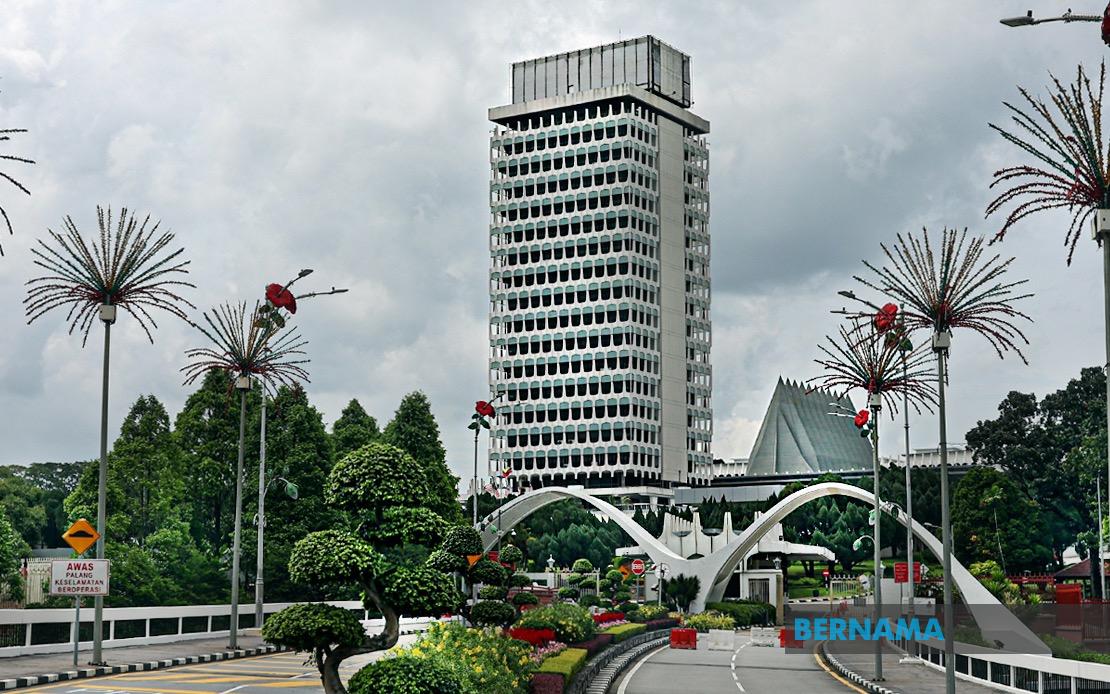
Malaysia's Parliament convened today to scrutinise two issues likely to shape the nation's infrastructure and public health landscape: the proposed privatisation model for the final phase of the East Coast Expressway and escalating concerns about vape distribution networks preying on young people. The 16-day legislative session, which runs through July 16, will address these matters through pointed questioning during Question Time, signalling the seriousness with which lawmakers across the political spectrum view both projects.
The East Coast Expressway Phase 3 (LPT3) represents a substantial infrastructure undertaking for Malaysia's east coast region, and its financing remains contentious. Wan Hassan Mohd Ramli, the Perikatan Nasional member for Dungun, pressed the Works Minister to clarify the government's reasoning for pursuing a public-private partnership arrangement. His line of inquiry suggests concerns within Parliament about how this model might affect toll rates paid by ordinary motorists—a politically sensitive matter that has mobilised public opinion in previous infrastructure debates. The timing of this question reflects growing scrutiny over whether PPP arrangements deliver genuine value for taxpayers or simply transfer financial risk to ordinary citizens while preserving corporate profit margins.
The implementation timeline for LPT3 has similarly attracted parliamentary attention. Motorists, businesses, and commuters across Pahang, Terengganu, and Kelantan have waited years for improved connectivity, making delays a source of frustration. By questioning the Works Minister on the project's execution schedule, Parliament seeks to establish whether the PPP model will accelerate or impede delivery. This is particularly relevant for Malaysian businesses engaged in east coast commerce and tourism, who depend on efficient transport corridors. The broader question underpinning this inquiry concerns whether privatisation frameworks genuinely streamline government projects or introduce bureaucratic layers that slow construction.
Vaping among Malaysian youth has emerged as an urgent public health challenge, prompting parliamentary intervention. Datuk Mas Ermieyati Samsudin from Perikatan Nasional raised the issue directly with the Home Minister, specifically requesting details on enforcement strategies targeting vape distribution syndicates. These criminal networks have adapted their tactics to exploit Malaysia's school population, often disguising products or using social media to circumvent regulatory oversight. The question reflects recognition that existing enforcement mechanisms may be inadequate against organised trafficking operations, which operate across state lines and sometimes coordinate with international suppliers.
The vaping crisis represents a particularly troubling dimension of organised crime in Malaysia because it targets vulnerable populations. School students and teenagers, who lack the biological and psychological maturity to resist nicotine addiction, have become the primary market segment for vape distributors. This criminal focus distinguishes the vape syndicate problem from traditional narcotics enforcement, requiring specialised investigative approaches and prevention strategies. Parliament's engagement signals a shift toward treating vaping as a security concern requiring interagency coordination rather than merely a health issue managed by medical authorities.
Beyond these headline items, Parliament will examine the persistent congestion affecting Malaysia's international border crossings. P. Prabakaran, representing the Pakatan Harapan coalition, posed questions to the Home Minister about immigration clearance bottlenecks at entry and exit points. These delays impose measurable economic costs on Malaysia's tourism sector, business travellers, and expatriate workers. As Malaysia competes regionally to attract foreign investment and talent, border efficiency has become a competitive advantage. Queues stretching for hours undermine the country's ambitions to position itself as a seamless travel destination within Southeast Asia.
The parliamentary inquiry into immigration processing reflects an understanding that administrative capacity directly impacts national competitiveness. Streamlining clearance procedures—through technology adoption, staffing enhancements, or procedural redesign—could meaningfully improve Malaysia's appeal to business travellers and tourists from throughout the region and beyond. This question demonstrates how Parliament occasionally shifts focus from narrow party politics toward practical governance challenges affecting everyday citizens and the national economy.
Healthcare digitalisation similarly attracted parliamentary questioning. Salamiah Mohd Nor, a Perikatan Nasional member representing Temerloh, inquired whether digital initiatives like MySejahtera and electronic health records systems have materially reduced overcrowding at government hospitals. These platforms represent significant technology investments intended to modernise Malaysia's public health system. By examining their effectiveness, Parliament gathers evidence about whether digital transformation genuinely alleviates pressure on overburdened facilities or primarily generates additional administrative burden. The question carries particular weight given ongoing complaints about waiting times at government clinics and emergency departments, which disproportionately affect lower-income Malaysians dependent on public healthcare.
The parliamentary agenda further includes debate on the 2024 Annual Report and Financial Statements of the Human Rights Commission of Malaysia (SUHAKAM). This component of today's sitting represents Parliament's oversight role regarding government institutions mandated with protecting constitutional rights. SUHAKAM's performance metrics, budget deployment, and case outcomes merit scrutiny as Malaysia navigates ongoing conversations about detention without trial, freedom of expression, and labour rights. The winding-up debate allows government ministers to respond to SUHAKAM's annual reporting and defend their record on human rights implementation and institutional support.
The breadth of today's parliamentary agenda—encompassing infrastructure finance, law enforcement, immigration efficiency, healthcare technology, and human rights—demonstrates Parliament's continuing relevance as a forum where Malaysian society examines government performance across multiple domains. Questions from both government coalition and opposition members suggest cross-party concern about several issues, even where lawmakers may disagree on specific remedies. The 16-day sitting provides extended opportunity for thorough legislative deliberation during a period when many governance challenges demand urgent parliamentary attention, from economic infrastructure to youth welfare and administrative modernisation.

