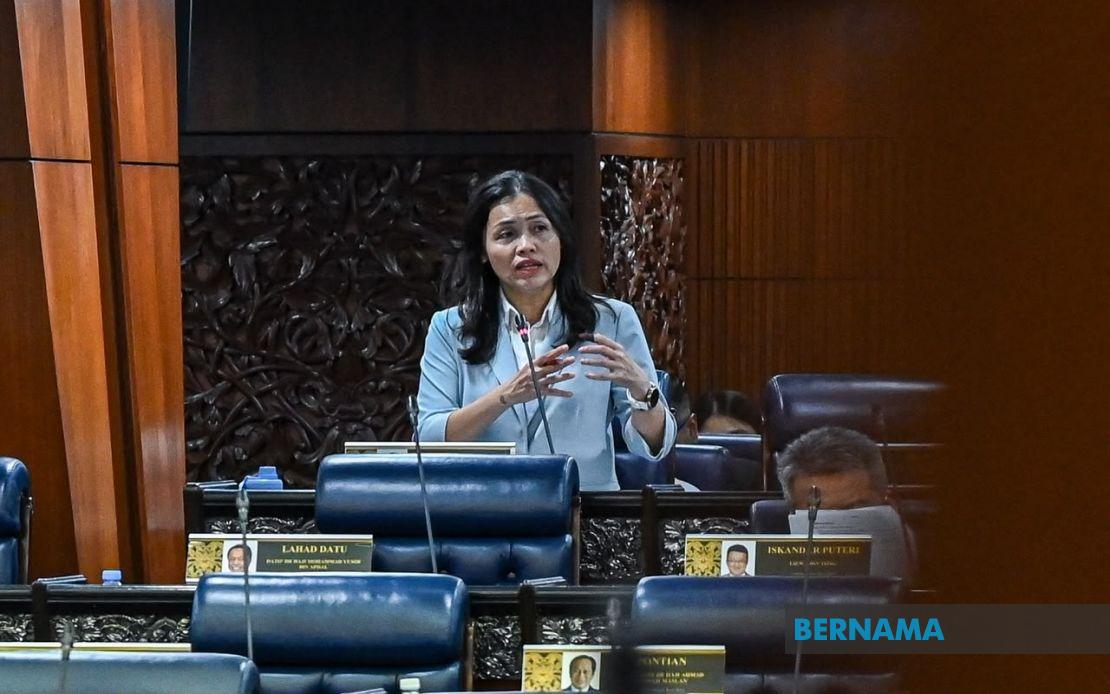
Malaysia's legislative body has given its backing to sweeping amendments to the communications and multimedia regulatory framework, signalling the government's commitment to modernising the nation's digital infrastructure in response to technological disruption and heightened security concerns. The Dewan Rakyat endorsed the Communications and Multimedia (Amendment) Bill 2026 on July 15, with Deputy Communications Minister Teo Nie Ching emphasising that the overhaul will not impose fresh financial burdens on ordinary users or impose additional charges on consumers.
The legislative package represents a deliberate attempt to embed national security considerations into the broader National Universal Service Provision (USP) framework, a mechanism designed to guarantee equitable access to communications services across the nation. Rather than expanding regulatory authority into domains already overseen by other government bodies, Teo clarified, the amendments remain narrowly focused on the communications and multimedia sector specifically. The modifications address the USP initiative's relationship to the deployment and operation of network infrastructure and the provision of associated telecommunications services, ensuring the legal foundation keeps pace with rapid technological evolution and shifting geopolitical realities.
Teo's remarks during the bill's final parliamentary stage acknowledged the underlying imperative: Malaysia's growing dependency on critical digital infrastructure demands that the legislative and regulatory environment remain current and adequately equipped to address emerging threats and technological trajectories. The amendment process itself garnered substantive parliamentary scrutiny, with eighteen Members of Parliament contributing to the debate before the measure secured majority approval, demonstrating the significance legislators attached to the topic.
A key assurance offered throughout the parliamentary process concerned financing mechanisms. The USP Fund, which will finance the initiative, draws contributions exclusively from telecommunications licensees operating under the existing regulatory framework, and these funds may be deployed solely to provide network infrastructure and complementary services. This structure is intended to prevent costs being transferred to end-users or consumers, a concern that various parliamentarians raised during deliberations.
Parliamentary attention reflected genuine regional and sectoral anxieties. Datuk Suhaimi Nasir, representing the Libaran constituency in Sabah, stressed the imperative to prioritise expansion of communications coverage into sparsely served regions, particularly rural communities, interior settlements, coastal enclaves, and island territories. He underscored that telecommunications access represents not merely a convenience but a critical lifeline during humanitarian emergencies and natural disasters, enabling the rapid deployment of emergency assistance and coordination of rescue operations. The absence of reliable communications infrastructure in vulnerable areas amplifies catastrophic risk.
Datak Mohd Suhaimi Abdullah, representing Langkawi, introduced another dimension of scrutiny by requesting full transparency regarding the existing balance held within the USP fund and the ministry's intended allocation strategy. His intervention reflected legitimate anxiety that the amendment might inadvertently redirect resources earmarked for rural infrastructure development toward other policy objectives, potentially compromising the historic commitment to reducing digital inequality across geographically disadvantaged communities.
Beyond infrastructure and financing considerations, cybersecurity emerged as a parallel concern. Datuk Shahelmey Yahya, the representative for Putatan in Sabah, advocated for government publication of guidance materials identifying and defining evolving forms of digital manipulation, enabling citizens and businesses to implement protective measures safeguarding personal information and financial transactions. He further urged the Malaysian Communications and Multimedia Commission (MCMC), the sector's principal regulatory authority, to substantially augment its internal technical capacity in cybersecurity specialisation, suggesting that existing institutional expertise may be insufficient to meet emerging challenges.
The amendment's passage reflects a sophisticated understanding of the multifaceted challenges confronting Malaysia's communications sector. The legislative package seeks to reconcile several competing objectives: strengthening national security protocols without undermining market competition or burdening consumers; expanding service coverage into underserved regions while maintaining fiscal responsibility; and building regulatory resilience against evolving technological and geopolitical disruptions. These objectives frequently exist in tension, requiring careful legislative calibration.
For Malaysian consumers, the immediate implication is reassuring: the amendment does not introduce supplementary charges. However, the longer-term consequences deserve scrutiny. The integration of national security considerations into USP mechanisms may influence network design, deployment priorities, and regulatory oversight, with implications for service quality, investment patterns, and technological sovereignty. Regional observers should note that Malaysia's approach—embedding security considerations into universal service frameworks rather than creating parallel surveillance or control mechanisms—may offer a template for other Southeast Asian jurisdictions navigating comparable pressures.
The legislative initiative also reflects Malaysia's broader positioning on digital governance. Rather than adopting purely restrictive approaches to digital regulation, the amendments attempt to combine infrastructural enhancement with security fortification, suggesting policymakers recognise that resilient digital infrastructure serves security, economic, and social objectives simultaneously. The emphasis on maintaining relevant legal frameworks in response to technological development signals intellectual flexibility within the legislative process.
Looking forward, implementation challenges will likely dominate policy discourse. The MCMC's capacity to execute enhanced cybersecurity oversight, the effectiveness of USP mechanisms in reaching remote communities, and the actual financial mechanics of the arrangement will determine whether the legislative ambitions translate into tangible improvements. Parliamentary scrutiny did not end with passage; ongoing oversight will prove essential to ensure the amendment delivers promised benefits while avoiding unintended consequences.

