Parliament has moved to strengthen child protection safeguards by approving the Sexual Offences Against Children (Amendment) Bill 2026, which fundamentally reshapes how Malaysian law addresses crimes committed beyond the country's borders. The Dewan Rakyat passed the legislation on June 30 following substantial parliamentary debate, with the measure drawing support across party lines as lawmakers from both government and opposition benches recognised the need to close critical gaps in existing legal frameworks.
The amendment introduces extraterritorial jurisdiction to the Sexual Offences Against Children Act, a significant expansion that acknowledges modern realities where perpetrators frequently operate across multiple jurisdictions or relocate to evade prosecution. Previously, Malaysian authorities faced considerable constraints when attempting to pursue cases where Malaysian nationals or residents committed offences in foreign countries. This legislative gap created a troubling situation where individuals with clear ties to Malaysia could exploit geographical distance to avoid accountability, leaving vulnerable children without recourse to the Malaysian justice system.
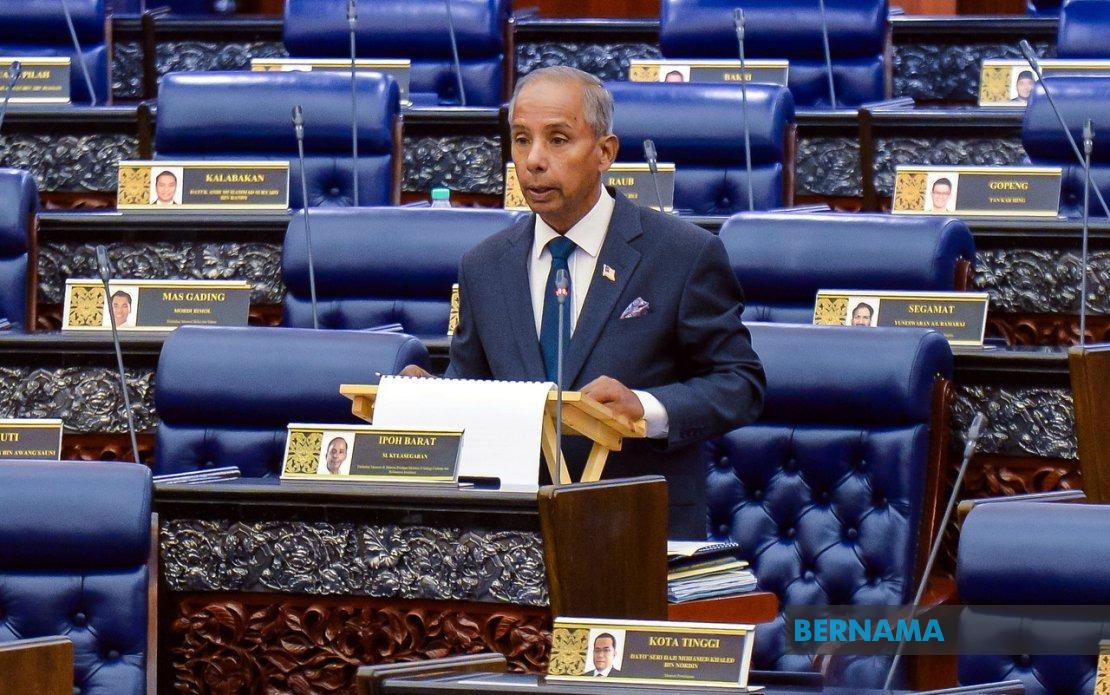
Deputy Minister in the Prime Minister's Department (Law and Institutional Reform) M. Kulasegaran provided crucial clarification regarding the scope and practical application of the amendments during the parliamentary debate conclusion. His explanation underscores that the legislation operates within carefully defined parameters rather than establishing blanket Malaysian authority over all child sexual offences worldwide. The amendment specifically targets individuals with substantive connections to Malaysia—whether as citizens, permanent residents, or those regularly residing in the country—who commit offences abroad.
The jurisdictional framework established by this amendment reflects an important balance between protecting vulnerable Malaysian children and respecting international legal conventions governing state sovereignty. Malaysia will not automatically assume prosecutorial authority over crimes committed by foreign nationals in their home countries or third nations. Instead, the law recognises that the jurisdiction where the offence occurred retains primary investigative and prosecutorial responsibility, a principle fundamental to international law and diplomatic relations among nations.
Where complications arise—such as when a child victim reports abuse to both Malaysian and foreign authorities—coordinated mechanisms now exist to determine the most appropriate venue for prosecution. M. Kulasegaran explained that Malaysian authorities will consult with counterparts through established international channels to identify the jurisdiction best positioned to pursue justice effectively. These determinations consider multiple factors including case-specific evidence availability, witness locations, the child's welfare interests, and the particular strengths of each jurisdiction's legal framework for handling such sensitive matters.
The passage of this amendment reflects regional and global momentum toward strengthening child protection mechanisms. Southeast Asia has witnessed growing awareness that traffickers and abusers exploit porous jurisdictional boundaries and inconsistent legal standards across the region. By extending Malaysian reach, the amendment acknowledges that child sexual exploitation frequently involves cross-border elements—children transported for abuse, offenders fleeing to neighbouring countries, or perpetrators exploiting geographic distance to commit crimes. This legislative response positions Malaysia alongside other nations recognising that effective child protection requires transcending traditional territorial limitations.
The bipartisan support evidenced by 25 government and opposition parliamentarians engaging in substantive debate signals consensus on child protection as a priority transcending normal political divisions. This broad agreement reflects constituent concern about child safety and recognition that vulnerable populations require robust legal protections regardless of where exploitation occurs. The legislative process itself, with dedicated parliamentary time allocated for detailed discussion, demonstrates the seriousness with which both government and opposition treat child welfare matters.
For Malaysian families with children overseas—whether for education, work, or other reasons—this amendment provides meaningful reassurance that their children benefit from Malaysian legal protection even abroad. Similarly, families hosting foreign children in Malaysia gain confidence that local authorities possess tools to prosecute exploiters comprehensively. The extraterritorial provisions create incentives for potential offenders to recognise that geographic relocation offers no sanctuary from Malaysian justice when they victimise Malaysian children.
Implementing this amended legislation will require substantial investment in international cooperation infrastructure. Malaysian law enforcement agencies must develop enhanced capacity for gathering evidence across borders, coordinating with foreign authorities, and managing cases involving distant crime scenes and witnesses. Prosecutors require specialised training in navigating international legal frameworks and presenting cross-border evidence in Malaysian courts. Diplomatic channels must facilitate information sharing and mutual legal assistance arrangements with countries where victims and offenders are located.
The amendment also raises practical questions about resource allocation within law enforcement and judicial systems already managing significant caseloads. Creating truly effective extraterritorial prosecution capacity demands dedicated units within the Royal Malaysia Police and Attorney General's Chambers, along with funding for international investigations and travel. Without adequate resources, the legislative framework risks becoming symbolic rather than substantively protective, a risk that policymakers and stakeholders must actively monitor and address.
Regionally, Malaysia's legislative action may influence other Southeast Asian nations to consider similar amendments, potentially creating more consistent child protection standards across ASEAN. Harmonised legal frameworks would enhance the region's collective ability to combat child sexual exploitation, as traffickers and predators currently exploit inconsistencies in jurisdictional approaches. Malaysia's step forward could catalyse productive dialogue within ASEAN about coordinating child protection mechanisms and establishing mutual legal assistance protocols specifically addressing sexual offences against children.
The amendment also reflects evolving understanding that child sexual abuse represents not merely a domestic issue but an international concern demanding coordinated responses. Children victimised by abuse suffer profound trauma regardless of borders, and perpetrators operating transnationally require transnational legal responses. By equipping itself with extraterritorial jurisdiction, Malaysia joins progressive democracies recognising that child protection obligations extend beyond geographic boundaries when nationals are involved.

