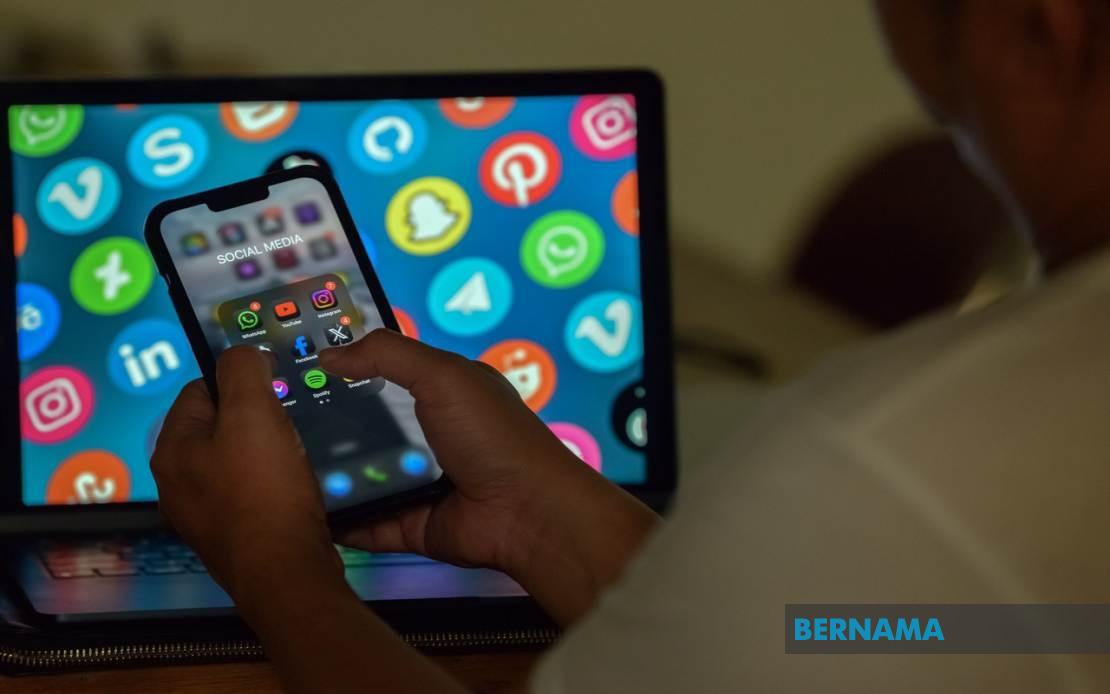
The race for Negeri Sembilan's state assembly seats has firmly anchored itself in the digital realm, with candidates from all major political coalitions prioritising social media engagement as a cornerstone of their electioneering efforts. As voting approaches on August 1, this shift reflects a fundamental transformation in how Malaysian politicians connect with an electorate increasingly accustomed to consuming news and political messaging through their smartphones rather than attending physical rallies or reading printed manifestos.
Across the three largest coalitions—Pakatan Harapan, Barisan Nasional and Perikatan Nasional—campaign strategists have recognised that a one-size-fits-all approach to voter outreach is no longer viable in contemporary Malaysian politics. Instead, party operatives are employing sophisticated targeting strategies that segment the state's 889,490 registered voters into distinct demographic cohorts, each with its own preferred digital channels and content consumption patterns. This generationally calibrated methodology suggests campaigns have become increasingly data-aware, understanding that Baby Boomers and Gen X voters gravitate toward Facebook's longer-form content and YouTube's explanatory videos, while millennial and Gen Z audiences demand rapid-fire visual storytelling through platforms like TikTok, Instagram Reels and Threads.
The diversification of platforms employed by candidates underscores how traditional campaign machinery has adapted to contemporary media ecosystems. Rather than confining themselves to a single digital channel, sophisticated candidates now maintain active presences across multiple platforms simultaneously, ensuring that their messaging reaches voters wherever they happen to be browsing. This multi-platform saturation strategy reflects lessons learned from previous electoral cycles, where parties that concentrated on single platforms found themselves unable to penetrate audiences loyal to competing services. The breadth of digital outreach being deployed in Negeri Sembilan suggests that state-level elections in Malaysia are becoming increasingly professionalised, with campaign teams potentially drawing expertise from beyond traditional party structures.
Content strategy has evolved considerably within this digital-first campaign environment. Rather than attempting to translate lengthy speeches or comprehensive policy documents into social media posts, candidates are discovering that short-form video content—particularly Point of View clips, trending audio overlays and behind-the-scenes glimpses—resonates more effectively with younger audiences. This shift away from formal rhetoric toward authentic, casual documentation of campaign activities represents a calculated bet that voters, particularly those under thirty, are more persuaded by apparent authenticity and relatability than by polished production values. Infographics presenting manifesto commitments and responses to current issues have also proliferated, offering visually digestible alternatives to dense policy papers.
Menteri Besar Datuk Seri Aminuddin Harun, contesting the Linggi seat under the Pakatan Harapan banner, exemplifies this approach to digital campaigning. His social media output combines documentation of his daily official responsibilities—including participation in dawn prayers and informal breakfast sessions with constituents—alongside campaign messaging emphasising stability and continued PH government effectiveness. By presenting himself as simultaneously fulfilling his current administrative duties while actively campaigning, Aminuddin constructs a narrative of continuity and competence. His deployment of motorcycle-based community visits for social media documentation taps into aspirational imagery of political accessibility, suggesting a leader willing to meet voters on their own terms rather than insisting on formal ceremonial settings.
Other Pakatan Harapan candidates have adopted similarly creative positioning strategies. In Paroi, Ahmad Shahir Mohd Shah, widely known as Ustaz Shahir, has leveraged his religious credentials and media familiarity to articulate a vision of constituency development focused on competitiveness and prosperity. Meanwhile, Dr Azizul Hakim Mahdi in Rantau has mobilised his medical expertise to offer tangible community benefits—specifically free health screenings for senior citizens—while documenting these activities for social media consumption. This approach integrates direct voter service provision with digital campaign documentation, creating a feedback loop where campaign visibility and actual constituency assistance reinforce one another.
Barisan Nasional candidates have similarly embraced social media-driven campaigns, though their approaches often emphasise incumbent credentials and institutional stability rather than insurgent energy or alternative visions. Datuk Seri Mohamad Hasan in Rantau and Datuk Seri Jalaluddin Alias in Pertang have adopted comparable tactics to their PH counterparts, utilising social media to showcase campaign activities and maintain voter engagement. This convergence in digital campaign methodologies across competing coalitions suggests that Malaysian politics has reached a inflection point where abstaining from sophisticated social media outreach carries significant electoral risk, regardless of a candidate's ideological positioning or party affiliation.
Perikatan Nasional candidates, alongside those representing smaller parties including Bersatu, Parti Orang Asli Malaysia, Parti Sosialis Malaysia and Berjasa, have likewise recognised that digital presence constitutes a prerequisite for electoral competitiveness. Independent candidates similarly face pressure to maintain active social media engagement, though their resource constraints compared to party-backed competitors likely limit the sophistication of their digital operations. The proliferation of social media campaigning across the entire political spectrum suggests that Negeri Sembilan's voters will encounter unprecedented volumes of digital political content during the campaign period.
The timing of early voting on July 28 followed by general polling on August 1 creates compressed windows for digital campaigns to achieve maximum impact. In this condensed timeframe, the candidates and parties capable of generating consistent, high-quality content across multiple platforms simultaneously enjoy substantial competitive advantages over less digitally sophisticated competitors. The algorithmic nature of platforms like TikTok and Instagram means that content performing well with younger audiences can rapidly achieve viral amplification, potentially reaching voters beyond a candidate's immediate geographic constituency or established supporter network.
For Malaysian observers and electoral analysts, the Negeri Sembilan contest represents an important case study in how digital transformation is reshaping political competition at the state level. While national-level elections such as the 2022 general election demonstrated social media's growing importance, state elections provide laboratory conditions for testing campaign innovations and understanding how grassroots political engagement patterns evolve. The sophisticated generational segmentation being deployed in Negeri Sembilan suggests that future Malaysian elections, regardless of tier, will increasingly feature data-driven, platform-specific campaign strategies that bear little resemblance to traditional broadcast-era political communication.
The implications extend beyond Negeri Sembilan itself, signalling broader transformations in how Malaysian political parties must structure their campaign organisations and allocate resources. Parties that fail to develop robust digital campaign capabilities risk finding themselves systematically outcompeted in reaching younger voters and urban constituencies. Conversely, candidates and campaign teams that skilfully navigate the complex landscape of competing platforms and generational preferences may discover that social media engagement provides unprecedented opportunities for direct voter contact unbrokered by traditional media gatekeepers. As Malaysia's electoral landscape continues evolving, the Negeri Sembilan election serves as a visible marker of these profound shifts in political communication and voter outreach strategies.

