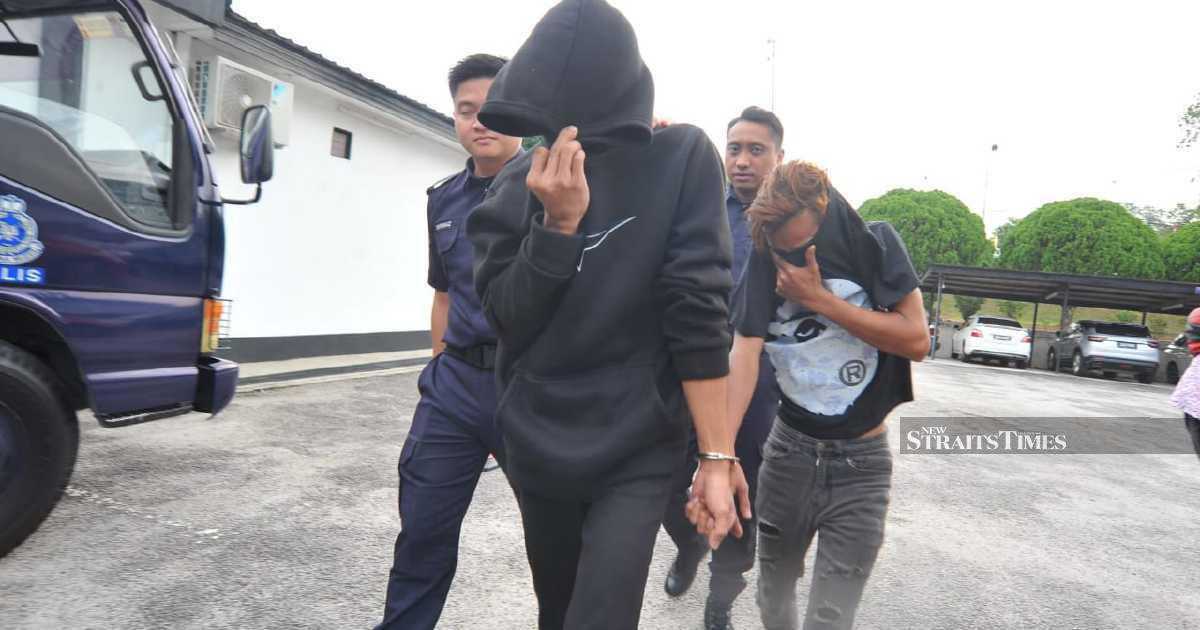
A magistrate's court in Kulai has charged two mechanics with reckless and dangerous driving stemming from an alleged high-speed street racing incident on the Johor Second Link expressway last Saturday. One of the defendants is a man living with a disability, raising questions about accessibility and enforcement issues on one of Malaysia's busiest interstate corridors.
The charges brought against both men carry serious implications under road traffic laws, as illegal racing on major expressways represents a significant public safety hazard. The Second Link, which connects Johor Bahru to Singapore's Tuas checkpoint, is among the nation's most crucial commercial arteries, handling tens of thousands of vehicles daily. Any reckless conduct on this route jeopardises not only the participants but innocent motorists and commercial transport operators transiting between the two countries.
The incident reflects an ongoing challenge facing Malaysian authorities in combating street racing culture, particularly among younger drivers and those in the automotive maintenance sector. Mechanics and automotive enthusiasts have historically been overrepresented in such cases, suggesting that professional familiarity with vehicle performance may encourage dangerous risk-taking on public roads. The involvement of a disabled individual in this case adds a layer of complexity, potentially indicating that enforcement and safety messaging must be tailored more carefully across diverse demographic groups.
Second Link expressway authorities have stepped up patrols in recent years following public complaints about speeding and dangerous driving behaviour. However, the persistence of such incidents suggests that deterrence measures—whether through increased fines, licence suspension, or vehicle impoundment—may not yet be sufficiently robust or consistently applied. The fact that this case reached the magistrate's court indicates that prosecutors deemed the conduct serious enough to warrant formal criminal proceedings rather than mere traffic citations.
For those involved in Malaysia's automotive repair and modification community, this case carries a cautionary message about the legal consequences of participating in street racing. Convictions for reckless and dangerous driving can result in substantial fines, imprisonment, and automatic licence disqualification, effectively ending careers for professionals whose livelihoods depend on holding valid driving credentials. For a disabled mechanic, such consequences could be particularly severe, compounding existing employment and mobility challenges.
The timing and location of the alleged offence—a Saturday on the Second Link—suggests the race may have occurred during a period of relatively lighter commercial traffic, possibly encouraging the participants to believe they could conduct their activity with reduced risk of detection. However, the expressway remains under consistent monitoring through traffic cameras and regular patrol units, making it an inherently unsafe venue for such activity regardless of time of day or traffic volume.
Public attitudes towards street racing have shifted considerably over the past decade. What was once dismissed as youthful exuberance is now widely recognised as behaviour that endangers lives and diverts emergency and law enforcement resources. Insurance companies have also tightened their stance on racing-related incidents, often refusing coverage for vehicles involved in illegal racing, leaving defendants facing both criminal liability and uninsured accident exposure.
The case underscores the importance of comprehensive road safety education, particularly within professional automotive circles where technical knowledge about vehicle capabilities might create false confidence in one's ability to manage extreme speeds safely. Vocational training programmes for mechanics and technicians increasingly incorporate modules on road responsibility and the consequences of reckless driving, yet enforcement at ground level remains crucial to reinforce these messages.
For Malaysian motorists, especially those who transit the Second Link regularly for business or leisure, such cases reinforce the importance of maintaining defensive driving practices and reporting suspicious vehicle behaviour to traffic authorities. The corridor's significance to regional trade means that safety incidents here can have broader economic implications, disrupting supply chains and adding pressure on enforcement agencies.
The court proceedings in Kulai will be closely watched by road safety advocates and the automotive industry alike. The outcome—whether resulting in conviction, acquittal, or settlement—will likely influence how authorities and the private sector approach enforcement and education around illegal racing going forward. This case also presents an opportunity for disability rights advocates to examine whether additional support or accommodations should be available to individuals with disabilities involved in the justice system, particularly where driving privileges and employment are at stake.
As Malaysia continues to grapple with traffic fatality rates that remain higher than regional peers, individual prosecutions like this one serve as visible reminders that road safety enforcement extends beyond speed cameras and roadblocks. They represent a broader commitment to holding drivers and vehicle operators accountable for decisions that put lives at risk, regardless of their professional status or personal circumstances.

