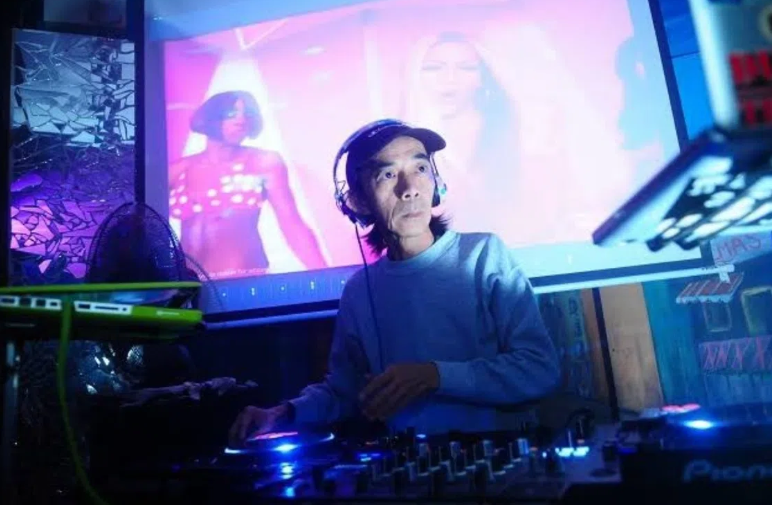
Andrew Chow, professionally known as DJ Wiz, a foundational architect of Singapore's contemporary music culture, has passed away at the age of 63 following stomach cancer on August 3. His death marks the end of an era for the island nation's vibrant nightlife landscape, where Chow spent over four decades pioneering the development of hip-hop, rhythm and blues, and turntablism as legitimate artistic expressions in Southeast Asia's most cosmopolitan hub.
Chow's artistic prominence crystallized during the 1990s and early 2000s, a period when electronic music and DJ culture were still establishing credibility within mainstream Singapore society. His technical prowess earned him recognition across multiple prestigious competitions: he claimed victory in three separate editions of the DMC Singapore championships and secured the Singapore title at the 1998 Technics World DJ Championships, cementing his status among Asia-Pacific's elite turntablists. These accolades represented more than personal achievement—they validated the emerging discipline of turntablism, transforming what many dismissed as mere entertainment into a recognized competitive art form demanding years of disciplined practice and innovation.
For nearly two decades, from the mid-1990s through the early 2010s, Chow held a residency at the iconic Zouk nightclub on Jiak Kim Street, particularly within the venue's legendary Phuture room. This position was not merely a booking but rather a custodianship of musical direction and club culture. Zouk's prominence in regional nightlife created a gravitational pull for music enthusiasts across Southeast Asia, and Chow's consistent presence there established the venue as a destination specifically for serious hip-hop and turntablism aficionados. His weekly performances became ritualistic experiences for generations of Singapore's youth discovering electronic music and urban culture.
The broader significance of Chow's career extends beyond individual accomplishments to encompass the evolution of Singapore's cultural identity during a crucial period of rapid economic transformation. As the city-state industrialized and globalized, hip-hop and electronic music provided alternative expressive channels for younger generations navigating between traditional values and cosmopolitan aspirations. Chow's visibility and legitimacy as a world-class artist demonstrated that Singapore could nurture world-competitive talent in contemporary cultural forms, not merely in finance and technology.
His influence rippled across the professional DJ community, mentoring subsequent generations who now carry his artistic DNA forward. DJ KoFlow, the stage name of Wayne Liu, a 45-year-old contemporary and fellow turntablist, articulated this transmission of cultural knowledge: Chow's legacy endures through practitioners who absorbed his methodologies and philosophy. Liu emphasized that Chow dedicated his existence to cultivating hip-hop culture through his craft, positioning DJing not as background accompaniment but as essential cultural work requiring serious technical mastery and artistic vision. This philosophical orientation shaped how newer DJs approached their own practice, elevating standards across Singapore's clubs and festival circuits.
Rasa nightclub founder Kavan Spruyt, aged 46, provided testimony to Chow's visceral impact on younger observers. Spruyt recalled attending Zouk's Phuture room during its Friday big beat nights, witnessing Chow command the decks with technical and creative dominance that seemed almost superhuman during his peak years. For Spruyt and countless others, these performances became formative cultural experiences, establishing benchmarks for what DJing could accomplish as a performance art. The admiration evident in Spruyt's reflection suggests Chow achieved the rare status of becoming a cultural hero—not through manufactured celebrity but through sustained excellence and authentic dedication within his specialized domain.
Veteran DJ Eddie Chan, performing under the moniker DJ Small, extended this assessment through forty years of professional acquaintance. Chan characterized Chow as simultaneously teacher and brother figure, possessing encyclopedic musical knowledge paired with infectious passion that motivated others. More significantly, Chan credited Chow with maintaining vanguard positioning across multiple musical genres, refusing the artistic stagnation that sometimes traps DJs within narrow stylistic lanes. His mixing and scratching capabilities achieved a technical perfection that peers recognized as exceptional, the product of meticulous practice and continuous innovation.
Chow's final public contribution occurred in May at a DMC competition warm-up event held at Kossa club, where he served as both judge and performer. This role permitted him to evaluate emerging turntablists while demonstrating that his own technical abilities remained formidable despite the passage of years. Notably, Chow had been selected to receive the DMC Legacy Award at the September 6 DMC Singapore event at Rasa, recognition officially acknowledging his lasting contributions to the discipline. Though he did not survive to receive this honor, its bestowal would have validated what the Singapore DJ community already understood—that Chow had fundamentally shaped the competitive and artistic standards of his field.
His daughter Abby Chow, aged 27, organized his memorial service with a distinctly contemporary sensibility reflecting her father's personality and values. Rather than observing solemn convention, Abby invited attendants to wear colorful and stylish attire, positioning the gathering as a celebration of Chow's life, style, and creative spirit. This approach simultaneously honored traditional funeral customs while asserting that Chow represented a modernist worldview, rejecting unnecessary formality in favor of authentic expression. The wake occurred at Block 406 Ang Mo Kio Avenue 10, with the cortege departing August 8 at 4:15 PM for cremation at Mandai Crematorium Hall 4 at 5 PM.
Abby's public statements revealed the peacefulness of Chow's final transition and expressed gratitude for the substantial volume of social media tributes and appreciation messages flooding platforms in the days following announcement of his death. This digital outpouring demonstrated that Chow's influence extended far beyond those who directly witnessed his performances, reaching across generational and geographical boundaries through recorded sets, industry reputation, and the cascading impact of artists he mentored. For Malaysian readers and Southeast Asian music enthusiasts, Chow's passing represents the closure of a significant chapter in regional nightlife history, a period when Singapore's clubs functioned as incubators for artistic talent and cultural experimentation that influenced the broader region's musical development and contemporary identity formation.

