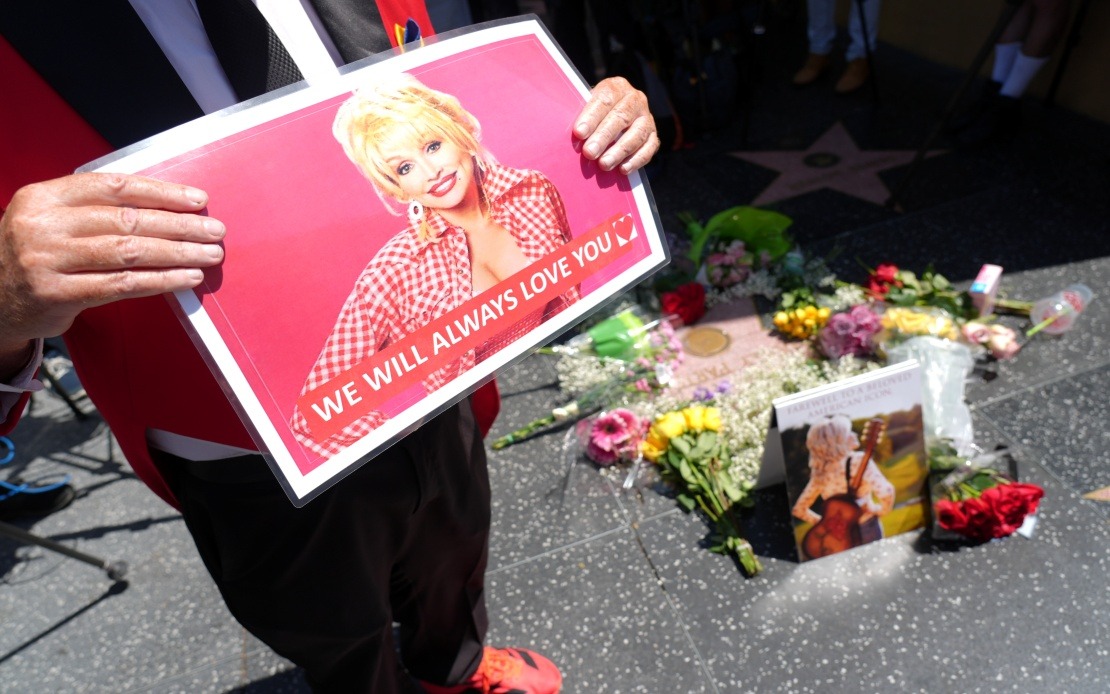
Dolly Parton, the towering figure who shaped American country music across more than six decades and became a global cultural ambassador for the genre, has passed away at 80. The Parton family made the announcement Tuesday evening through social media, with her nephew Bryan Seaver posting a video on behalf of the family. No specific cause of death was disclosed in the statement, though Parton had been grappling with health difficulties in recent months that led to the cancellation of several public engagements.
In the days immediately preceding her death, Parton had communicated with supporters, expressing that she was in recovery from unspecified health complications but responding positively to medication and medical interventions. These setbacks forced her to postpone a planned Las Vegas residency, marking a rare interruption to a career characterised by relentless productivity and public visibility.
Parton's journey from extreme rural poverty to international stardom represents one of entertainment's most remarkable trajectories. Born in 1946 in Sevierville, Tennessee, she emerged from a struggling family environment that could have limited her horizons indefinitely. Yet by age 10, she was already performing on local radio broadcasts, and by 13 she had recorded her debut single "Puppy Love" and made her historic first appearance at Nashville's iconic Grand Ole Opry, the institution that would cement her connection to authentic country tradition.
The young performer's relocation to Nashville in 1964 proved transformative. Rather than immediately seeking spotlight as a vocalist, Parton distinguished herself as a prolific songwriter whose compositions attracted the attention of established recording artists. This reputation as a skilled craftsperson of country material elevated her standing within the industry's creative circles and positioned her for sustained rather than fleeting success.
A decisive career accelerant arrived when she joined Porter Wagoner's television variety show in 1967, remaining as a featured performer through 1974. This extended television platform allowed her to cultivate a substantial fan base while developing her performance artistry. The foundation proved solid for her subsequent emergence as a solo recording artist.
During the 1970s, Parton released the compositions that would define her legacy and secure her place in popular music history. "Jolene," with its emotionally raw exploration of romantic rivalry, and "I Will Always Love You," a ballad of such universal resonance that it transcended country genre boundaries, showcased her gifts as both lyricist and performer. When Whitney Houston subsequently recorded "I Will Always Love You" for the 1992 film The Bodyguard, the song achieved stratospheric commercial success that introduced Parton's songwriting to audiences globally.
Parton's influence extended substantially beyond recording studios and concert stages. Her motion picture appearances, particularly in films such as 9 to 5 and Steel Magnolias, demonstrated her capacity to command screen presence and reach audiences unfamiliar with country music. These ventures into cinema expanded her cultural footprint and established her as a multitalented performer rather than a genre specialist.
Equally significant was Parton's philanthropic legacy, particularly through the Imagination Library, an initiative providing free books to children across economically disadvantaged communities. This endeavour reflected her consistent concern for addressing the educational deprivation she herself experienced during childhood, channelling her accumulated resources toward benefiting future generations.
By the time of her death, Parton's commercial achievements had reached staggering proportions. She had sold over 100 million records globally, demonstrating sustained commercial appeal across changing musical landscapes and generational cohorts. Her accolade collection included 11 Grammy Awards, inductions into both the Songwriters Hall of Fame and the Rock and Roll Hall of Fame, and innumerable other recognitions from industry bodies and cultural institutions.
For Malaysian and regional audiences, Parton's passing represents the conclusion of an era in popular music. Her influence permeated global entertainment despite her distinctly American origins, with her compositions enjoying widespread recognition across Southeast Asia through covers and streaming platforms. Her model of using entertainment success as a platform for social contribution resonates particularly within regional contexts where artists increasingly engage with philanthropic and educational initiatives.
Parton's death marks the loss of a figure who transcended the limitations of genre classification to become a cultural touchstone. Her artistic innovations, commercial acumen, and social consciousness created a template for sustainable celebrity that extended far beyond typical industry longevity. The country music community and global popular culture have lost a defining voice whose contributions shaped multiple generations of musical expression and humanitarian engagement.

