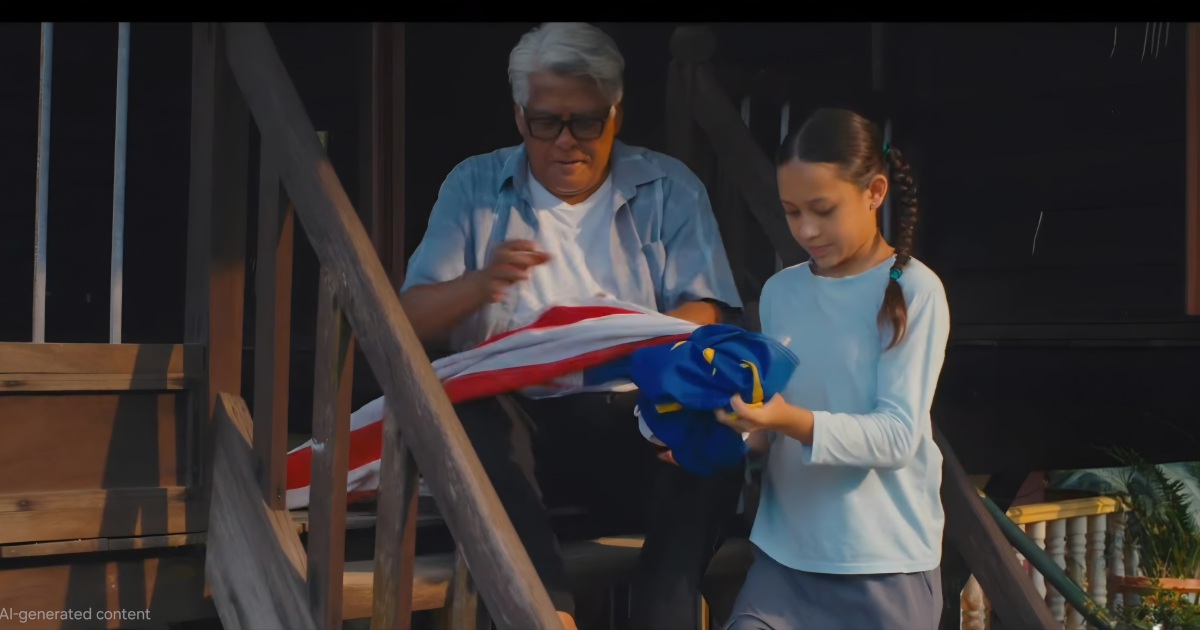
Deputy Prime Minister Datuk Seri Fadillah Yusof has released a poignant eight-minute video during Hari Kebangsaan celebrations that is gaining traction among Malaysians on social media, with the central message that Malaysia is a shared homeland for all its citizens. The video, posted on the DPM's Facebook page, conveys a straightforward yet powerful sentiment about national belonging and collective identity in an increasingly polarized era. The timing of the release coincides with Malaysia's independence anniversary, a moment when the nation traditionally reflects on its founding principles and contemporary social cohesion.
The underlying theme of the video—that Malaysia belongs to all Malaysians—addresses a persistent challenge in the national conversation surrounding identity, inclusivity, and communal harmony. Rather than focusing narrowly on specific demographics or political constituencies, the message emphasizes the broad notion that every resident has a stake in the country's future, regardless of ethnicity, religion, or socioeconomic status. This framing represents an important counter-narrative to divisive rhetoric that sometimes dominates political and social discourse, particularly during heightened periods such as electoral cycles or festival celebrations.
From a political perspective, the video's release by the Deputy Prime Minister carries additional significance, as it reflects the current administration's stated commitment to unity and reconciliation. In a nation with a complex history of communal relations and constitutional arrangements designed to balance multiple interests, such public pronouncements from senior government figures help shape the broader policy environment and cultural conversation. The decision to distribute the message through social media platforms like Facebook also demonstrates an adaptation to contemporary communication patterns, reaching citizens where they increasingly consume news and engage with public discourse.
The resonance of the video with online audiences suggests that many Malaysians respond positively to messaging that validates their sense of belonging to the national project. This response is particularly noteworthy in a context where conversations about citizenship, rights, and representation frequently become contentious. By choosing to emphasize commonality rather than difference, the video taps into a desire among portions of the population for political leaders to articulate inclusive visions of national identity. The engagement metrics—whether measured through shares, comments, or viewing duration—indicate that such sentiments are not confined to a narrow demographic but have broader appeal.
The video's reception also reflects deeper anxieties within Malaysian society about social fragmentation and polarization. In recent years, debates over religious freedom, language policy, representation in higher education, and economic opportunity have occasionally inflamed communal tensions. Against this backdrop, a senior government official explicitly affirming that the nation belongs to all its people addresses a genuine need for reassurance and reaffirmation of foundational principles. The message serves as a reminder that Malaysia's independence was built on negotiated compromises and a social contract designed to accommodate diverse populations.
From a Southeast Asian perspective, Malaysia's experience with managing multi-ethnic, multi-religious diversity offers lessons that resonate across the region. Other nations in Southeast Asia face similar challenges in balancing competing claims about national identity, minority rights, and majority prerogatives. When prominent Malaysian figures articulate messages of inclusive nationalism, they contribute to a regional dialogue about how diverse societies can coexist peacefully. The visibility of such messaging also signals to international observers that Malaysia continues to grapple seriously with its historical commitment to pluralism, even as the nation navigates contemporary economic and political challenges.
The choice to release the video during Hari Kebangsaan celebrations is strategically significant, as it connects the message to Malaysia's founding narrative and the original vision articulated by independence leaders. By linking contemporary calls for unity to historical precedent, the video invokes a sense of continuity and fidelity to founding principles. This rhetorical move can be particularly powerful in moments when citizens feel uncertain about the nation's direction or when political divisions threaten to overshadow shared national identity. The video thus functions both as a celebration of independence and as a reaffirmation of the philosophical underpinnings of Malaysian nationhood.
The online reception of the video also underscores the importance of leadership messaging in shaping public sentiment and discourse. In an era of algorithmic content distribution and targeted social media engagement, a video from a high-ranking government official has the potential to reach and influence millions of citizens. The fact that the message resonated suggests that many Malaysians are receptive to unity-building narratives, even as they may disagree on specific policies or political directions. This opens possibilities for broader national conversations that transcend partisan divisions and focus on areas of genuine agreement.
Looking forward, the success of such messaging raises questions about how similar themes can be reinforced through policy action and institutional practices. Messages of inclusivity and shared belonging must be paired with concrete measures that ensure all Malaysians experience genuine equality of opportunity and respect for their rights and dignities. The video's emotional appeal is undoubtedly powerful, but its ultimate impact will depend on whether government institutions translate such sentiments into tangible outcomes that benefit citizens across all communities and regions.
The broader significance of Deputy Prime Minister Fadillah Yusof's Merdeka video lies in its affirmation that political leaders recognize the need for unity and inclusive national narratives. In moments when social media can amplify divisive voices and when political competition might otherwise encourage polarizing rhetoric, such statements remind Malaysians of their collective stake in the nation's success. Whether through continued communication efforts, policy initiatives, or institutional reforms, leaders across the political spectrum would do well to emulate this emphasis on shared belonging and mutual respect.

