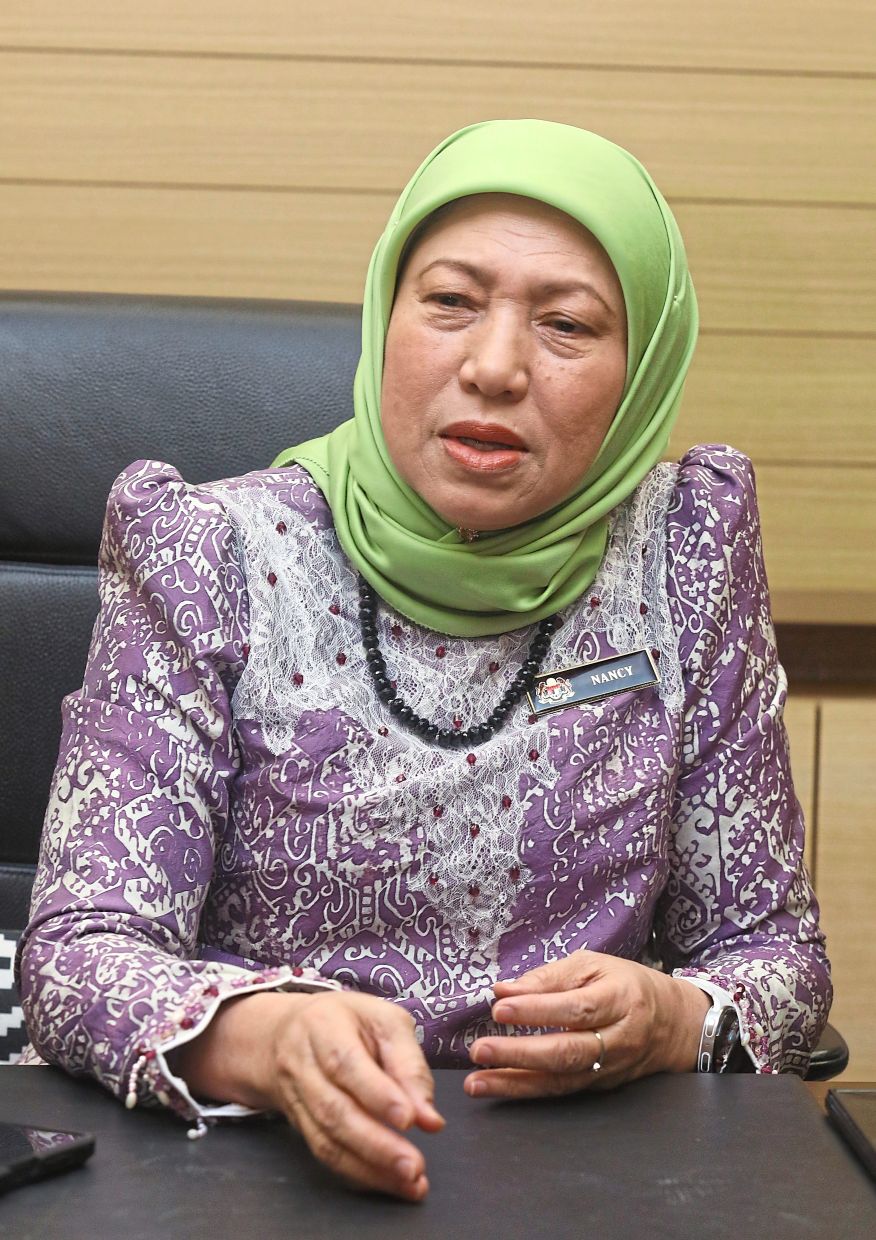
Registering a child as a person with disabilities (OKU) represents far more than bureaucratic formality—it is the gateway to a comprehensive ecosystem of support that can fundamentally shape a child's developmental trajectory and future prospects. According to Women, Family and Community Development Minister Datuk Seri Nancy Shukri, parents who secure early OKU status for their children with disabilities position them to access vital assistance across multiple domains, from immediate welfare benefits to long-term employment pathways that extend well into adulthood.
The significance of early registration lies in its role as an official acknowledgement that unlocks otherwise unavailable services. Once a child obtains OKU status through the Social Welfare Department (JKM), families gain eligibility for targeted interventions during the critical early years when developmental support yields the greatest impact. This ranges from rehabilitation services and early intervention programmes designed to address developmental delays, to access to specialised education facilities tailored to individual learning needs. The financial component of this support—including direct assistance to families managing the heightened costs associated with disability care—provides immediate relief to households that frequently face substantial out-of-pocket expenses.
The registration mechanism itself has been designed to be accessible to parents, requiring submission of a child's birth certificate or identification documents alongside medical certification of the disability and any other supporting documentation requested by JKM. Upon approval, the child receives an OKU card that serves as official recognition and the key document enabling access to government programmes and private sector concessions. However, the true value emerges when parents act promptly, as Nancy Shukri stressed that delays in registration mean missed opportunities during the formative years when early intervention produces the most measurable improvements in learning outcomes and social development.
Beyond childhood support, the government has constructed a continuum of assistance designed to evolve as individuals mature and their needs transform. Recognising that disability support cannot conclude at school-leaving age, the ministry has invested substantially in employment frameworks that address the persistent challenge of integrating adults with disabilities into the workforce. This reflects a paradigm shift in how Malaysia approaches disability support—moving beyond welfare dependency toward economic participation and independence as the ultimate goal.
Central to this employment strategy is a job coach service introduced by JKM, which pairs specially trained coaches with OKU employees to provide on-the-job support during the critical early months of employment. These coaches function as intermediaries between employer and employee, guiding individuals through workplace protocols while simultaneously educating employers about the capabilities and accommodation needs of their employees. This bridge-building function addresses a significant barrier to OKU employment—employer uncertainty and insufficient understanding of how to effectively integrate workers with disabilities into their operations.
Complementing the job coach initiative is Disability Equality Training (DET), a programme targeting employers, human resource practitioners, and employees across the private sector. Rather than limiting itself to awareness-raising, DET seeks to catalyse a fundamental reorientation in how Malaysian society conceptualises disability, moving away from deficit-based thinking toward recognition of individual strengths and diverse abilities. This cultural shift is essential for creating workplaces where disabled employees are genuinely integrated rather than merely accommodated.
The government has also expanded pathways beyond traditional employment, recognising that not all OKU individuals will follow conventional career trajectories. Vocational training, entrepreneurship support, and lifelong learning opportunities are being positioned as equally valid routes to economic participation and personal fulfilment. The Social Security Organisation (PERKESO) contributes through rehabilitation initiatives and skills development programmes, while platforms such as MyFutureJobs create direct connections between job-seeking individuals with disabilities and employers actively recruiting for inclusive workplaces.
For Malaysian families navigating the complexities of raising children with disabilities, the practical implications of early OKU registration extend across education systems, healthcare access, and financial planning. Children with registered OKU status gain priority access to special education facilities and tailored learning support that mainstream schooling cannot provide, ensuring their educational experience aligns with their learning profile rather than forcing conformity to standardised approaches. Healthcare coordination improves when medical providers have official documentation of a child's disability status, enabling more seamless referrals and integrated care planning.
The broader Southeast Asian context underscores the relevance of Malaysia's approach. As a developing region with expanding middle-class populations increasingly able to access diagnostic services and recognise disabilities, Malaysia's experience with formalised OKU registration and support systems offers a model that addresses both the immediate needs of families and the long-term goal of inclusive economic participation. Other nations in the region grappling with similar challenges can observe how structured, cross-sectoral approaches—involving government agencies, statutory bodies like PERKESO, private employers, and NGOs—create multiplier effects that benefit entire communities.
Minister Shukri's emphasis on sustained government commitment to expanding and strengthening support systems reflects recognition that OKU individuals' needs are not static but evolve across the lifespan. A five-year-old with cerebral palsy faces different challenges at age fifteen, twenty-five, and thirty-five, requiring adaptive support frameworks that anticipate these transitions. By committing to comprehensive, lifelong support architecture rather than time-limited interventions, Malaysia signals that disability inclusion is not a charitable endeavour but a fundamental aspect of building a fully inclusive society.
For parents deliberating whether to undertake OKU registration, the answer extends beyond immediate access to services. Early registration is simultaneously an investment in their child's present wellbeing and an act of future planning that positions the young person for maximum independence, dignity, and opportunity as they mature. The cascading benefits—from early intervention support through educational accommodations to eventual employment pathways—accumulate over time, transforming what might otherwise be a trajectory of dependency into one of meaningful participation. In this sense, registration represents not a label of limitation but a declaration of rights and access to the resources necessary for realising potential.

