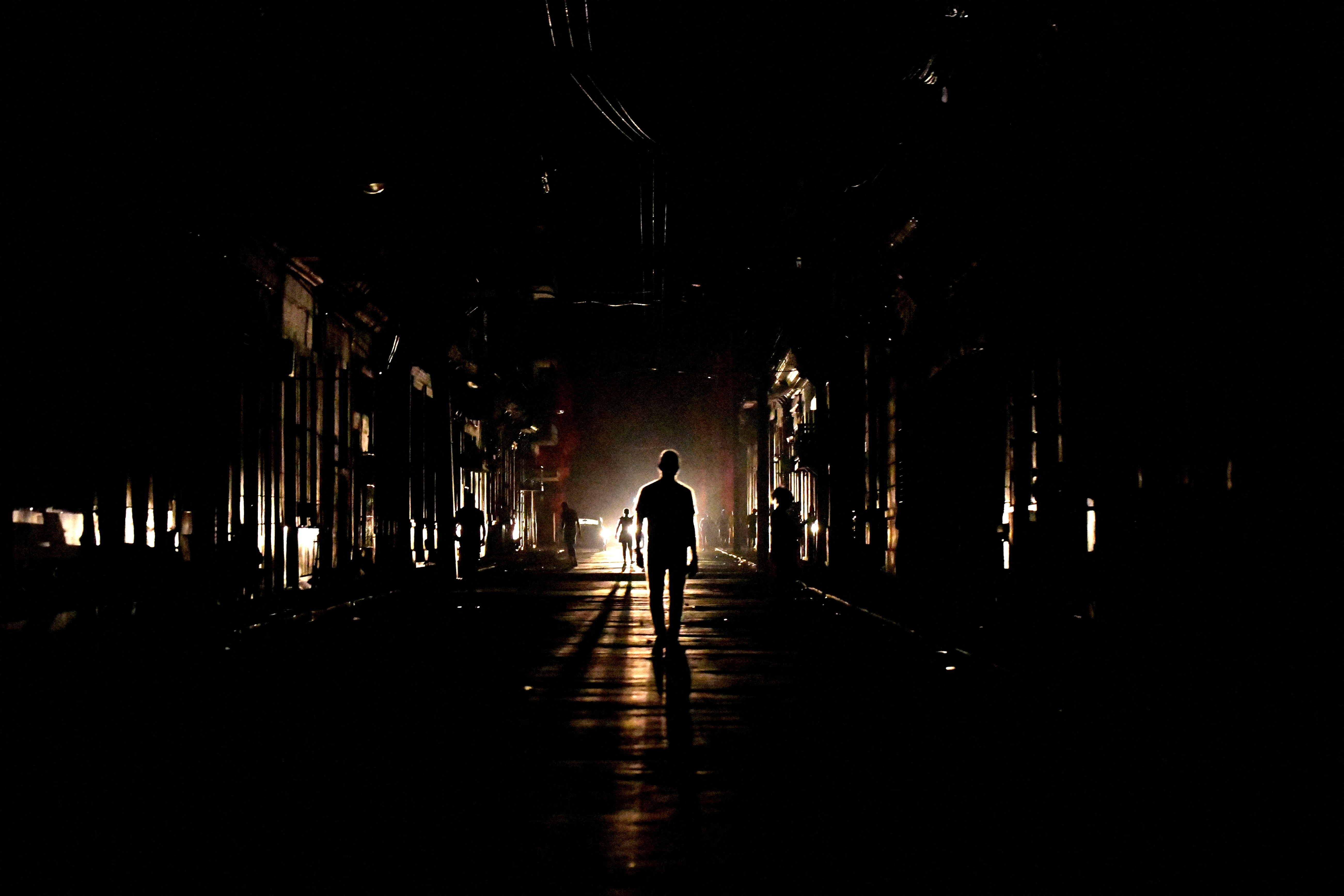
Eastern Libya experienced a severe blackout on Thursday evening that left vast swathes of the region without power, marking another blow to the country's deteriorating infrastructure and public services. Major urban centres including Benghazi, the second-largest city and administrative hub of the eastern administration, fell into darkness, with reports and video evidence confirming that streets and residential neighbourhoods across the territory had lost electricity. The outage represented a significant disruption to daily life in a region already struggling with chronic energy shortages and competing governance structures.
The impact extended well beyond Benghazi's boundaries. Multiple cities and towns across eastern Libya found themselves without power supply, compounding existing frustrations among residents who have endured repeated electricity crises in recent months. The scale of the blackout suggested systemic problems within the power generation and distribution infrastructure rather than isolated technical failures, pointing to deeper structural vulnerabilities in Libya's ability to maintain essential services.
Within hours of the outage, Libya's Electricity Ministry—operating under the House of Representatives-aligned government headquartered in Benghazi—confirmed that several power generation units had been brought back online. This development allowed the recovery process to begin, though officials stressed that electricity restoration would proceed gradually to prevent overwhelming the fragile grid with sudden demand spikes. The cautious approach reflected concerns that rushing to restore full power too quickly could destabilise the entire system and cause additional blackouts.
Priority restoration efforts targeted critical infrastructure. Hospital facilities in Benghazi, including the city's main 1,200-bed medical centre, received immediate attention and were reconnected to the grid. Beyond this essential facility, various neighbourhoods in southern Benghazi also began receiving power supplies as technical teams worked methodically through their recovery protocols. The selective restoration strategy underscored the rationing approach necessary in a system operating below optimal capacity.
Technical investigations into the root cause of the blackout proceeded simultaneously with restoration efforts. Engineering teams examined generation facilities, transmission lines, and distribution networks seeking to identify what triggered the widespread outage. Understanding the failure's origin would prove essential for preventing future incidents and informing longer-term rehabilitation plans for Libya's electricity infrastructure.
This latest crisis reflects a broader pattern of service collapse in Libya that has accelerated in recent weeks. Beyond the electricity emergency, the eastern regions have contended with armed conflicts in western cities including Zawiya and Sorman, drone strikes targeting petroleum facilities, and a cascade of security incidents that have hindered normal governance and economic activity. The convergence of multiple crises simultaneously—political, military, and infrastructural—has created a complex emergency environment affecting millions of Libyans.
Libya's fundamental problem remains the persistent division between two competing administrations claiming legitimate authority. Prime Minister Abdul Hamid Dbeibah's internationally recognised Government of National Unity controls Tripoli and western territories, while an eastern-based rival government appointed by the House of Representatives operates under Osama Hammad's leadership from Benghazi. This bifurcation has paralysed national decision-making and prevented coherent national energy policy or unified recovery programmes. Resources that should be directed toward infrastructure improvement have instead been diverted to maintaining competing bureaucracies and security forces.
The division carries direct consequences for Libyan citizens across both territories. National electricity systems function most effectively as integrated networks with coordinated management, shared resources, and unified technical standards. Libya's fragmented political structure makes such coordination nearly impossible, forcing each administration to manage power systems independently with limited resources and technical capacity. The blackout in the east reflects this fragmented reality—a consequence of deeper political dysfunction rather than purely technical failure.
International efforts to resolve Libya's political stalemate continue through the United Nations Support Mission in Libya (UNSMIL), which has endeavoured to mediate between the rival governments and facilitate dialogue on national elections. Libyans across the country view democratic elections as a potential pathway toward resolving the political division that has festered for years and prevented normal state functioning. The anticipated elections could theoretically establish a unified, legitimate government with the authority and resources needed to tackle infrastructure rehabilitation comprehensively. However, political disputes have repeatedly delayed these elections, leaving Libya in limbo.
The electricity blackout carries particular significance for Southeast Asian observers given Malaysia's own experiences with energy security and infrastructure management. As a region with generally reliable power systems, Southeast Asia demonstrates that stable governance and long-term infrastructure investment are prerequisites for providing consistent electricity services to citizens. Libya's experience offers a cautionary lesson about the consequences when political division prevents coordinated management of critical national systems. The impact ripples across all aspects of life—hospitals struggle to function, businesses cannot operate reliably, and ordinary households endure repeated disruptions.
Road to recovery remains lengthy and complex. Beyond immediate blackout response, Libya requires comprehensive reforms of its electricity sector including investment in generation capacity, modernisation of transmission infrastructure, and professional management insulated from political interference. Such transformations typically demand years of sustained effort, political stability, and financial resources. Until Libya's political division resolves and coherent national governance returns, infrastructure rehabilitation will likely remain sporadic and insufficient to meet population needs.
The immediate concern involves stabilising the grid and preventing cascading failures while longer-term solutions remain elusive. For residents of eastern Libya currently without power, this means uncertainty about when normal service will resume and confidence in essential services remains low. The blackout serves as yet another reminder that Libya's political divisions carry concrete human costs.

