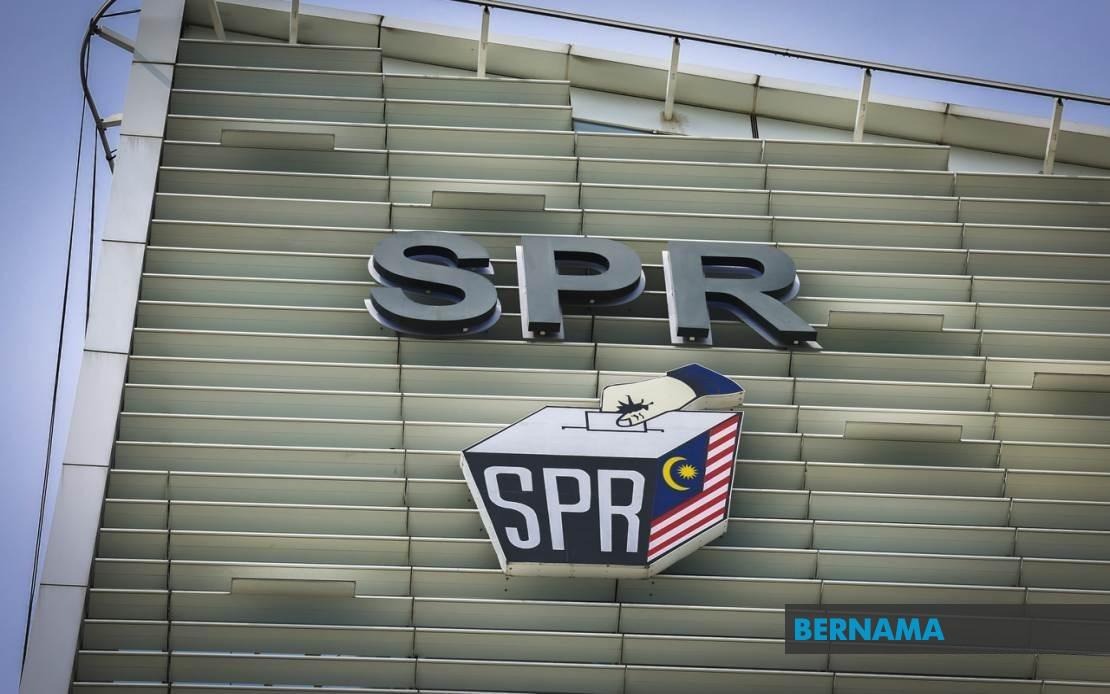
The Election Commission has completed distribution of 24,677 postal ballot papers to qualified voters for the upcoming 16th Johor State Election, with the issuance process overseen by election officials working across all 56 state constituencies. Datuk Khairul Shahril Idrus, the EC secretary, confirmed that the distribution occurred in accordance with Regulation 3 of the Election (Postal Voting) Regulations 2003, with representatives from all participating candidates present to witness the proceedings.
The distribution reflects the hierarchical structure of Malaysia's postal voting system, which prioritises certain categories of voters who face restrictions on their ability to cast ballots in person. The majority of the distributed papers, totalling 23,288 ballots under the Form 1A category, went to election officials, Election Commission members and staff, police officers, armed forces personnel, and accredited media practitioners. These groups are deemed unable to leave their posts on election day due to their essential roles in maintaining election integrity and public order.
A secondary category, Form 1B, provided postal voting access to 1,044 Malaysian citizens permanently residing abroad who maintain voter registration in Johor. This represents a significant outreach to the diaspora, allowing them to participate in state-level democracy despite geographic distance. The third category, Form 1C, issued 345 ballot papers to designated government and private organisations, typically involving individuals tasked with critical functions that prevent attendance at polling stations.
The meticulous oversight of postal voting distribution underscores the Election Commission's commitment to maintaining transparency in the electoral process. The presence of candidate representatives during issuance serves as a safeguard against irregularities and provides confidence to all contesting parties that procedures are being followed. This procedural transparency is particularly important in state elections, which often determine crucial policy directions in their respective regions.
Voters receiving postal ballots must adhere to specific procedural requirements to ensure their votes count. The EC has emphasised that voters must carefully mark their ballot papers and accurately complete the Identity Declaration Form, formally designated as Form 2, before submitting completed packages to their respective constituency returning officers. Critically, all returned postal ballots must arrive at returning officers by 5 pm on polling day, July 11, after which no further submissions will be accepted.
The Election Commission has also issued stern reminders regarding ballot secrecy and the integrity of the voting process. Postal voters are explicitly prohibited from photographing their ballot papers or sharing images on social media platforms, a measure designed to prevent vote-buying schemes and ensure that voting decisions remain genuinely confidential. Violations of these secrecy provisions can result in serious consequences under election law.
The 16th Johor State Election represents a significant political event in Malaysia's electoral calendar, with 172 candidates competing across the state's 56 constituencies. This candidate count demonstrates robust democratic participation and suggests competitive contests in multiple districts. Early voting opportunities have been scheduled for July 7, allowing certain categories of workers and voters to cast ballots before the official polling day, providing additional flexibility within the electoral framework.
Johor's electoral significance stems from its position as one of Malaysia's most economically developed and populous states. Election outcomes in Johor frequently influence broader national political dynamics and serve as barometers for voter sentiment regarding both state and federal governments. The postal voting process, while accounting for less than 0.1 per cent of total votes in typical state elections, nonetheless carries procedural and symbolic weight in demonstrating inclusive democratic practices.
The distribution of postal ballots also reflects practical realities of modern Malaysian governance. The inclusion of election officials and security personnel in postal voting acknowledges that democracy requires continuous staffing and protection on polling day. Similarly, the provision for overseas Malaysians recognises that significant numbers of citizens work or reside internationally, yet retain political stakes in their home state's governance.
As the election approaches, the Election Commission continues implementing comprehensive measures to ensure smooth electoral proceedings. The postal voting system, despite its complexity and smaller scale, represents one component of broader election management. With early voting commencing July 7 and main polling scheduled for July 11, the election timeline provides voters multiple opportunities to participate while allowing poll workers adequate preparation time.

