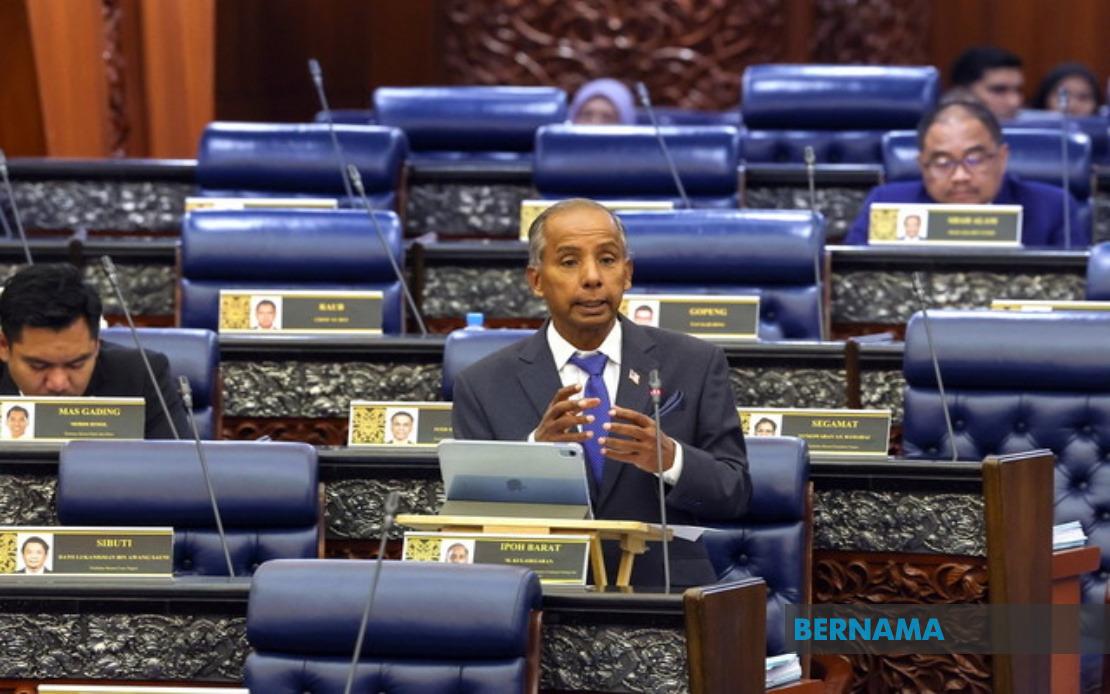
The Election Commission is undertaking a comprehensive examination of domestic postal voting arrangements that would extend across Peninsular Malaysia, Sabah and Sarawak. The initiative, currently under detailed scrutiny, marks a potentially significant shift in how Malaysian voters could cast their ballots in future elections. Deputy Minister M. Kulasegaran, who oversees law and institutional reform matters within the Prime Minister's Department, confirmed the commission's ongoing evaluation during parliamentary proceedings on July 14.
Kulasegaran emphasised that the postal voting proposal cannot proceed without thorough engagement across Malaysia's political spectrum. Political parties, civil society organisations, and other key stakeholders must be consulted before the government can settle on a final approach. This inclusive methodology reflects the sensitivity surrounding electoral procedures, which sit at the heart of democratic governance and require broad consensus to succeed. The deputy minister indicated that this consultative phase would extend throughout the current year, with conclusions expected to emerge by 2025.
The push for postal voting reflects evolving attitudes toward voter convenience and accessibility. Many Malaysian voters—particularly those working away from their home constituencies, the elderly, and persons with mobility challenges—face genuine obstacles when attempting to participate in elections. Domestic postal voting could remove geographical barriers and expand participation among demographics that currently struggle to cast their votes. The proposal has garnered support from parliamentarians including Isnaraissah Munirah Majilis of WARISAN-Kota Belud, who raised the matter before the Dewan Rakyat in pressing for electoral modernisation.
Regional considerations have shaped the scope of this initiative. Including Sabah and Sarawak in the postal voting framework acknowledges the distinctive electoral geography of East Malaysia, where vast distances and difficult terrain complicate voter movement. Both states have experienced lower voter turnout in some constituencies, partly attributable to logistical challenges. A well-designed postal voting system could address these participation gaps while maintaining election integrity through proper verification procedures.
Beyond postal voting, the government has signalled openness to reconsidering the Election Commission's institutional positioning. Currently, the EC operates under the Prime Minister's Department, an arrangement that some observers argue may create perceptions of political influence over electoral administration. Kulasegaran acknowledged this concern as reasonable, indicating the government would examine proposals to relocate the EC's oversight to Parliament instead. Such a restructuring could strengthen public confidence in the independence and impartiality of Malaysia's electoral processes, particularly important given the nation's experience with competitive multi-party politics.
The practical mechanics of implementing postal voting across three geographically distinct regions presents considerable administrative challenges. The Election Commission would need to establish robust systems for voter verification, ballot production, distribution, and secure return of completed ballots. Different approaches might prove necessary for Peninsular Malaysia compared to Sabah and Sarawak, given their varying population densities and infrastructure capabilities. The ongoing study will likely examine international examples and identify technical requirements before recommending a path forward.
Secondary electoral concerns also received parliamentary attention during the session. Enforcement of the mobile phone ban at polling stations remains inconsistent across different election venues, raising questions about whether existing regulations are adequately implemented. Kulasegaran maintained that current control mechanisms are sufficient to maintain order and prevent unauthorised communication during voting. The government does not plan to strengthen penalties by classifying mobile phone violations as a specific offence under the Election Offences Act 1954, suggesting confidence that administrative procedures can address the issue without legislative amendment.
The timing of the postal voting consultation mirrors broader regional trends toward electoral reform. Several Southeast Asian democracies have experimented with alternative voting mechanisms, with varying degrees of success. Thailand, Indonesia, and the Philippines have all examined or implemented different systems, offering Malaysia valuable lessons about implementation complexities and unintended consequences. Learning from regional experiences could inform the Election Commission's recommendations and help policymakers avoid pitfalls encountered elsewhere.
For Malaysian voters, the potential introduction of domestic postal voting represents a tangible improvement in democratic accessibility. The system could particularly benefit essential workers, overseas domestic workers temporarily at home, and persons with chronic health conditions. Implementation would require public education campaigns explaining procedures, timeline for applications, and assurances about ballot security. Building public confidence in postal voting's integrity will prove crucial to its successful adoption and use.
The political economy of electoral reform in Malaysia warrants consideration. While postal voting may seem politically neutral, its implementation could affect turnout patterns across different constituencies and demographic groups. Political parties will naturally scrutinise whether the system advantages or disadvantages their voter bases. This reality makes comprehensive stakeholder engagement not merely procedurally appropriate but essential for achieving a reform with genuine cross-party legitimacy that survives changes in government.
Looking forward, the Election Commission faces the complex task of balancing modernisation with security. Every change to electoral procedures introduces new potential vulnerabilities that must be carefully managed. The study period offers an opportunity to design safeguards that prevent fraud while maintaining the convenience benefits that justify postal voting's introduction. Whether through biometric verification, watermarked ballots, or other security measures, the system must satisfy both election officials and the voting public.
The government's receptiveness to reconsidering the EC's institutional home, combined with the postal voting examination, suggests a broader rethinking of Malaysia's electoral framework. These conversations occur against a backdrop of ongoing democratic development and civil society expectations for transparent, accessible, and independent election administration. The outcomes of the current consultations could shape Malaysian electoral practice for decades, making the quality of the study and engagement process critically important.

