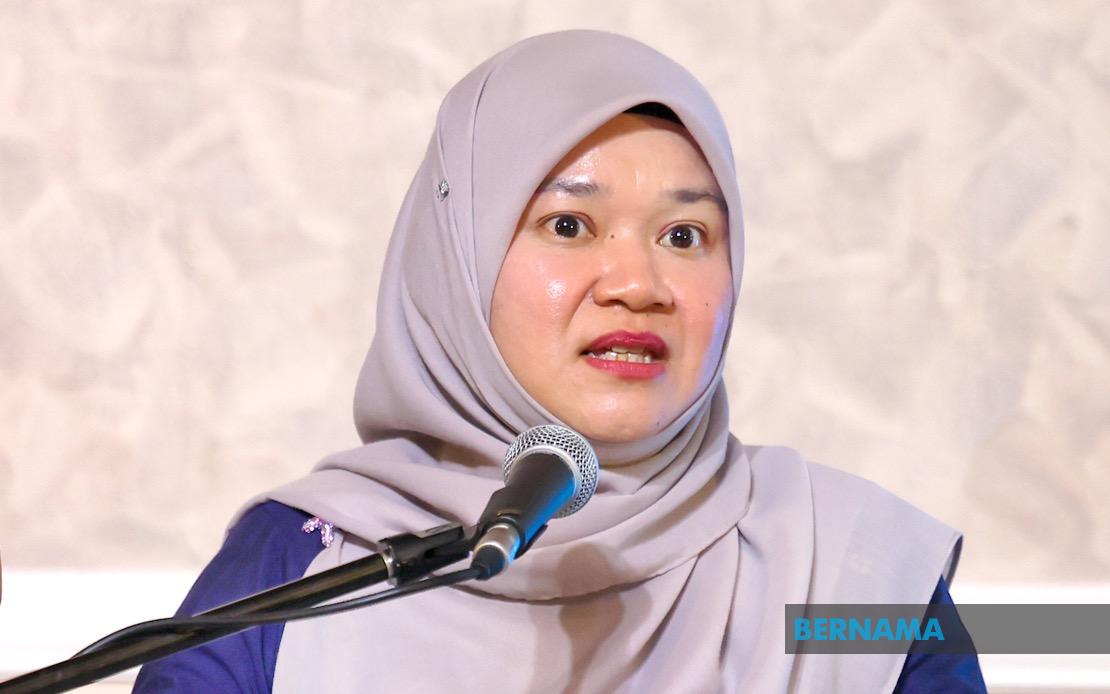
Parti Keadilan Rakyat (PKR) Wanita chief Fadhlina Sidek has taken legal action by filing a police report in response to the distribution of an artificial intelligence-generated video containing allegations she characterises as false and damaging. As the sitting Education Minister, Fadhlina made the announcement through an official statement, signalling her resolve to pursue formal investigative channels against what she views as a deliberate campaign to undermine her standing.
The video in question has been circulating among online networks and social media platforms, prompting swift action from Fadhlina's office. She articulated her position clearly, noting that the material represents a calculated effort designed specifically to harm her professional reputation and destroy her personal character. The decision to escalate the matter to law enforcement reflects the seriousness with which she regards the allegations and their potential impact on her political career.
In her formal statement, Fadhlina appealed directly to police authorities to investigate the origins and distribution channels of the video with urgency and thoroughness. She emphasised that law enforcement agencies should deploy available investigative powers to trace those responsible for creating and disseminating the content across digital platforms. This demand for accountability underscores growing concerns about the weaponisation of deepfake technology and artificial intelligence in Malaysian politics.
The use of AI-generated content in this manner represents a concerning evolution in political attacks within Malaysia's democratic landscape. Unlike traditional forms of political opposition or criticism, deepfake videos can be created without specialist knowledge and distributed rapidly across platforms before verification mechanisms can operate. The technology's capacity to create convincing false imagery has emerged as a significant challenge for public figures and election authorities globally.
Fadhlina's response also extended beyond the immediate police action to encompass broader systemic issues affecting women in politics. She called upon all stakeholders—including political parties, civil society organisations, and government bodies—to take a unified stand against what she described as interconnected problems: slander, character assassination, and sexual harassment directed at female politicians. Her framing of these issues as a collective problem rather than an individual grievance highlights the gendered dimension of political attacks in Malaysia.
The targeting of women politicians through defamatory content and intimate imagery-based harassment has become increasingly prevalent across Southeast Asia. Research and anecdotal evidence suggest that female politicians face disproportionate levels of personal attacks compared to their male counterparts, with such attacks frequently containing sexualised or misogynistic elements. Fadhlina's willingness to publicly name this pattern and demand action contributes to broader conversations about creating safer political spaces for women's participation.
The Malaysian legal framework provides several potential avenues for addressing such cases. The Communications and Multimedia Act, the Penal Code provisions on defamation and criminal intimidation, and emerging jurisprudence around deepfakes all provide grounds upon which authorities could potentially prosecute offenders. However, enforcement remains inconsistent, and questions persist about whether legal mechanisms adequately address the unique challenges posed by AI-generated disinformation.
This incident also raises questions about platform responsibility and digital governance in Malaysia. Social media platforms have come under increasing scrutiny for their role in amplifying defamatory content and allowing false material to spread before fact-checking can occur. The rapid circulation of such videos across encrypted messaging applications and social networks creates enforcement challenges for law enforcement agencies, who must balance investigative needs with privacy considerations.
Fadhlina's case reflects broader anxieties within Malaysia's political establishment about information security and reputational protection. As elections approach and political competition intensifies, the deployment of sophisticated disinformation tactics is likely to increase. The precedent established through Fadhlina's police report could influence how other political figures respond to similar incidents and how authorities approach investigations into AI-generated defamatory content.
The incident also underscores the need for enhanced digital literacy and critical evaluation skills among the Malaysian public. As AI-generated content becomes increasingly difficult to distinguish from authentic footage, citizens require better tools and education to evaluate information sources critically. Media literacy initiatives and public awareness campaigns about deepfake technology could help build societal resilience against such attacks.
Moving forward, Fadhlina's case may catalyse broader policy discussions about regulating AI-generated content and establishing clearer guidelines for its use in political contexts. The challenge for Malaysian policymakers lies in crafting responsive legislation that protects individuals from defamation while respecting freedom of expression and avoiding overreach that could stifle legitimate political discourse and satire.