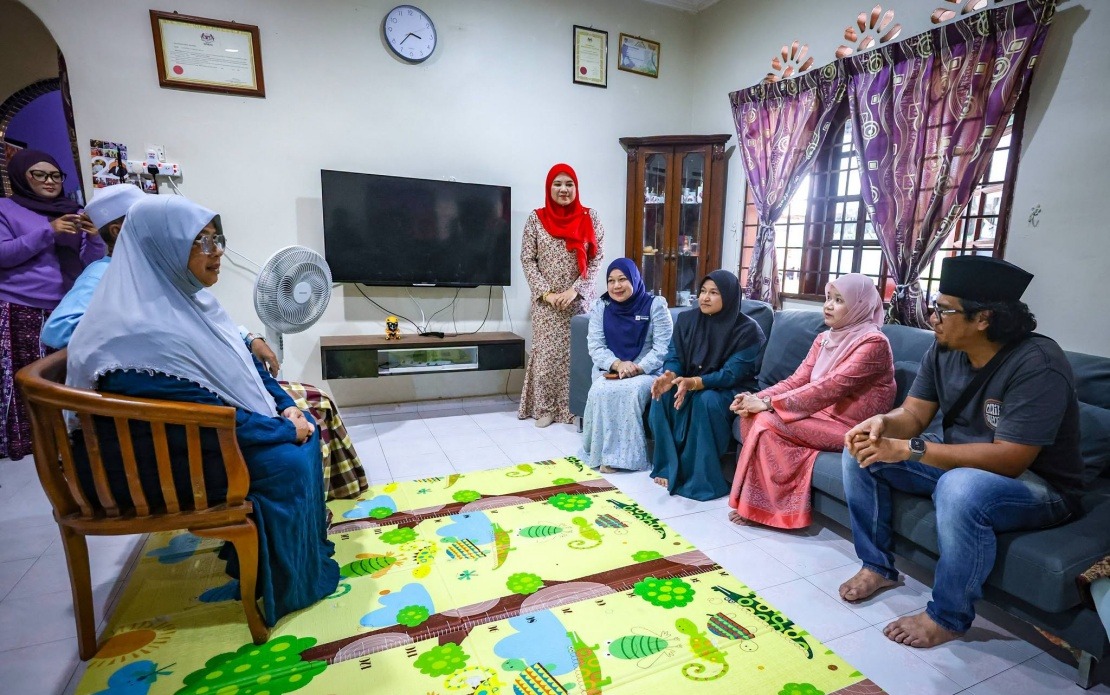
Education Minister Fadhlina Sidek made a compassionate visit to the family of Muhammad Raiyan Nufael, a Form Two student from a school in Telok Mas, Melaka, on Wednesday following the teenager's sudden death during a rugby training session. The minister's visit, undertaken on behalf of the Ministry of Education, represented an official expression of sympathy from Malaysia's education authorities during this period of acute grief for the family.
Muhammad Raiyan, aged 14, experienced a fatal medical episode while participating in sports training at his school. According to reports, the incident occurred in the late afternoon, with the student collapsing and subsequently passing away at approximately 6 pm on Wednesday. The sudden nature of his death has raised serious questions about student welfare during physical education activities and the protocols that schools maintain to respond to medical emergencies during training sessions.
Circumstances surrounding the incident suggest that Muhammad Raiyan had been engaged in rugby training for only about 15 minutes when he began experiencing respiratory distress. The collapse occurred during a break in the session, when the coach was delivering instructional remarks to the team. This timing raises important considerations about whether adequate monitoring of students' physical condition occurs during and immediately after training, particularly in the early stages when young athletes may be less accustomed to exertion levels.
Through a statement shared on social media, Minister Fadhlina expressed her condolences to the bereaved family, offering words of solace grounded in religious sentiment. She prayed for the soul of the deceased student to rest peacefully and requested that divine strength and forbearance be granted to his parents as they navigate the profound loss of their child. Such gestures, while symbolic, underscore the ministry's recognition of the tragedy's impact on not only the family but the broader school community.
The incident has implications extending well beyond the individual case, touching upon broader questions of student safety in Malaysian schools. Rugby and other contact sports carry inherent physical demands that can occasionally trigger serious health complications, particularly in young athletes whose cardiovascular systems may harbor undiagnosed conditions. Schools administering such programmes bear responsibility for understanding the medical backgrounds of participating students and maintaining appropriate first-aid response capabilities on the training grounds.
Death during or immediately following physical exertion in young people can result from several underlying conditions, some of which may be completely asymptomatic until a triggering event occurs. Hypertrophic cardiomyopathy, arrhythmias, and other cardiac abnormalities occasionally remain undetected in adolescents until sudden cardiac events force medical attention. Additionally, environmental factors such as heat stress, dehydration, or overexertion without adequate acclimatisation can precipitate medical crises in otherwise healthy teenagers.
The circumstances of this tragedy have prompted reflection on whether Malaysian schools maintain sufficiently rigorous pre-participation medical screening for students entering contact sports programmes. Many educational institutions across Southeast Asia operate with limited resources for comprehensive health assessments, potentially missing red flags that could identify students at elevated risk. International best practices typically recommend baseline cardiovascular evaluations and family medical history reviews before adolescents engage in competitive athletic activities.
Beyond immediate medical considerations, the incident raises questions about coaching qualifications and first-aid preparedness at school sports facilities. Training sessions, especially for contact sports, should ideally be supervised by personnel equipped with certified first-aid knowledge and access to emergency medical equipment such as automated external defibrillators. Response time following a medical crisis frequently determines outcomes for students experiencing acute cardiovascular episodes, making facility preparedness genuinely consequential.
The Ministry of Education's response, represented through the education minister's personal visit, reflects official acknowledgment of the tragedy's gravity. However, the incident may catalyse broader examination of safety protocols across Malaysian secondary schools. Administrators, coaches, parents, and education policymakers will likely scrutinise existing guidelines governing student participation in demanding physical activities and the support systems available when medical emergencies transpire during training or competition.
For the Telok Mas school community, this loss will resonate deeply, affecting not only those directly connected to Muhammad Raiyan but also fellow athletes and their families. Schools typically require additional support mechanisms following such incidents, including counselling services for affected students and opportunities for the community to process collective trauma. The education sector's capacity to respond compassionately while systematically improving safety mechanisms will demonstrate its commitment to protecting young people entrusted to its care.
As information regarding the specific medical circumstances becomes clearer through official investigations, lessons learnable from this tragedy may inform improved practices across the nation's educational institutions. While sports participation remains invaluable for adolescent physical and mental development, ensuring that such activities occur within frameworks emphasising student welfare and emergency readiness represents a non-negotiable institutional responsibility that Malaysian schools must continually strengthen.

