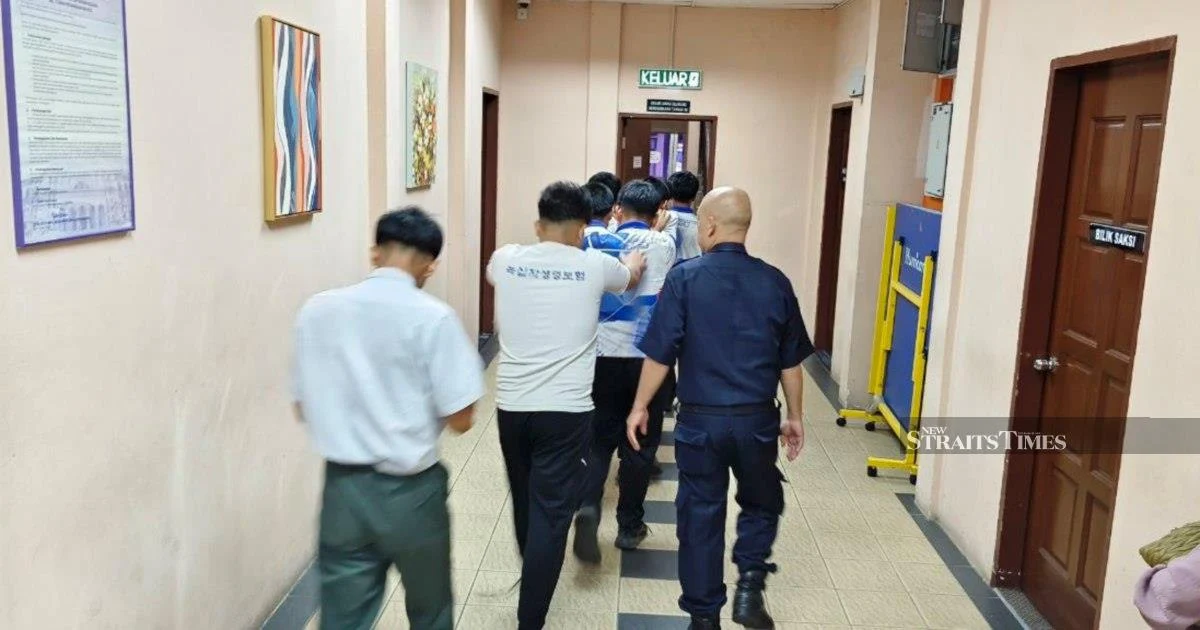
In Tawau, Sabah, authorities have detained eight secondary school students in connection with a physical altercation that investigators believe was triggered by the circulation of artificially generated sexually explicit material among the student population. The youths are being held for a two-day remand period as police conduct their investigation into the incident and the underlying causes that prompted the confrontation.
The arrest highlights an emerging challenge confronting Malaysian schools and law enforcement as technology enables the rapid creation and dissemination of manipulated sexual imagery. The use of artificial intelligence to generate explicit content featuring real individuals—or fabricated persons—represents a concerning development that schools, parents, and authorities are only beginning to grapple with systematically. Unlike traditional obscene material, AI-generated content can be produced with minimal technical expertise and distributed almost instantaneously through social media platforms and messaging applications.
That this particular incident erupted into violence underscores the social tensions and humiliation that can accompany such material. When intimate or sexual images—whether depicting actual students or composite images—circulate among school communities, they can trigger acute embarrassment, reputational damage, and emotional distress for those affected. The psychological toll on teenagers already navigating complex peer relationships can be particularly severe, potentially driving aggressive responses when confronted with their own image misused in explicit contexts.
The timing and location of the Tawau incident reflect broader patterns emerging across Malaysian secondary schools. Sabah, like other Malaysian states, has witnessed increased reports of digital harassment involving synthetic media. School administrators have raised alarm over the sophistication of freely available AI tools that require only a photograph to generate convincing explicit imagery. The anonymity afforded by digital platforms means perpetrators often face minimal risk of immediate detection, emboldening behaviour that would face swift consequences if conducted through physical means.
Malaysian law enforcement agencies face significant challenges in prosecuting cases involving AI-generated sexual content. While existing legislation such as the Communications and Multimedia Act 1998 and the Penal Code address obscene material and harassment, the specific application to artificially generated imagery remains ambiguous in many jurisdictions. Prosecutors must navigate questions about intent, the legal status of synthetic versus authentic material, and the threshold at which digital creation and sharing crosses from schoolboy mischief into criminal conduct. The detention of these eight students suggests law enforcement is treating the matter seriously, though the eventual charges and outcomes remain to be determined.
The incident raises uncomfortable questions about digital literacy and ethics in Malaysian schools. While curricula have increasingly emphasised online safety and the permanence of digital footprints, education around the creation and weaponization of synthetic sexual material has lagged considerably. Students may not fully appreciate the consequences of generating and sharing such imagery, viewing it as harmless entertainment or a source of humour rather than a form of sexual abuse. Educational campaigns addressing AI-generated sexual content remain nascent across the region, leaving many young people without adequate frameworks for understanding the ethical implications of their actions.
Parental supervision and awareness represent another critical gap. Many parents lack the technical knowledge to recognise how readily AI tools can be accessed and operated, and therefore may not proactively monitor their children's use of these technologies. The tools themselves are typically unrestricted, requiring no age verification or parental consent. This combination of technological accessibility and parental knowledge gaps creates fertile conditions for troubling behaviour to proliferate unchecked before schools or authorities become aware.
The two-day remand period will allow investigators to gather evidence, interview the detained students, and determine the circumstances surrounding both the physical brawl and the creation and dissemination of the problematic material. Police will likely seek to understand the relationship between the alleged victims and perpetrators, the extent of distribution, and whether any specific threats accompanied the material. Such details will shape whether charges proceed and what offences are ultimately pursued.
The case serves as a cautionary moment for Malaysian society. As artificial intelligence becomes increasingly embedded in everyday digital tools, young people require both protective frameworks and ethical guidance. Schools, parents, and policymakers must move beyond reactive responses to individual incidents and instead establish comprehensive preventive measures. These should encompass digital ethics curriculum that specifically addresses synthetic sexual material, clearer legal frameworks that unambiguously criminalise harmful AI-generated content, and platforms that implement stronger age restrictions on AI image generation tools.
For Tawau's school community and beyond, this incident underscores the reality that technology-enabled harms are no longer theoretical or distant concerns—they manifest in physical violence and shattered peer relationships in classrooms across Malaysia. Until educational, legislative, and technological safeguards catch up with the rapid evolution of AI capabilities, secondary school administrators should expect further incidents of this nature.

