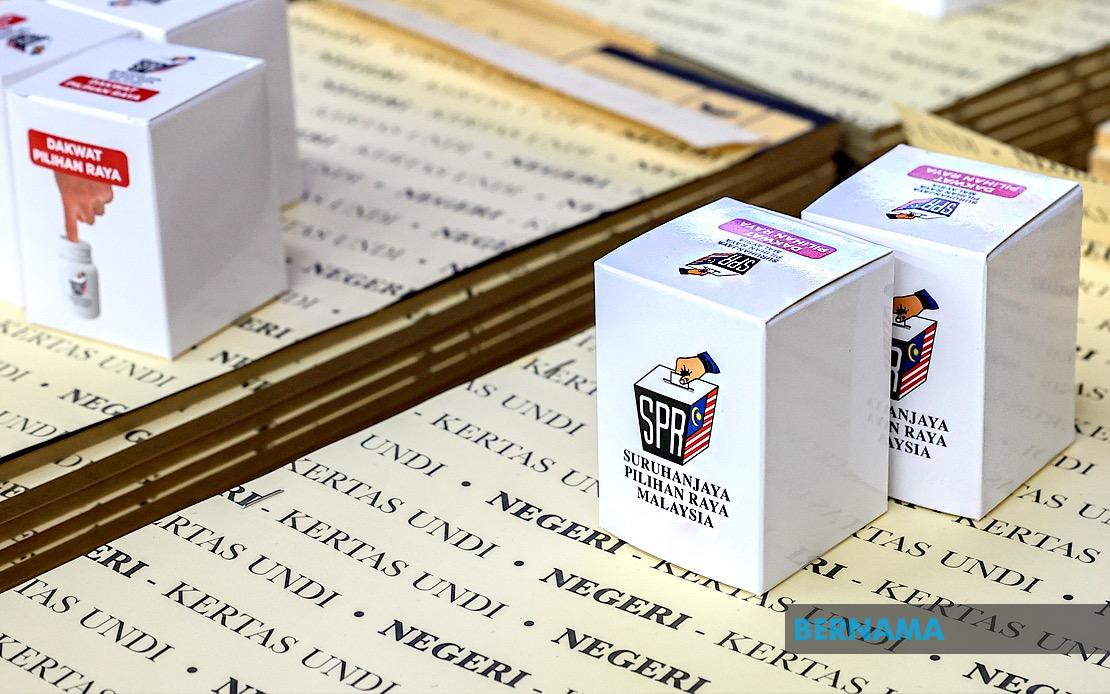
The Election Commission has launched a fresh appeal for Malaysians who have changed residences to update their electoral registration, stressing that alignment between voter location and polling constituencies is fundamental to how the country's representative democracy functions. Deputy Chairman Dr Azmi Sharom made the call during a broadcast interview, highlighting that with state elections approaching in Johor and Negeri Sembilan, ensuring accurate voter rolls is particularly timely.
Under Malaysia's electoral framework, legislative seats are allocated on a geographical basis, with State Assemblymen and Members of Parliament serving defined territorial constituencies. This design means voters should ideally cast ballots in the areas where they actually reside, allowing their elected representatives to be accountable to the communities that elected them. Dr Azmi articulated this principle bluntly: those living in a particular constituency should determine who represents that area, rather than casting votes hundreds of kilometres away in their hometowns or previous addresses.
The practical convenience factor also underpins the Commission's push. Updating one's voting address now requires minimal effort compared to previous years. The process begins with amending the address recorded on one's identity card at the relevant Local Registration Office, after which voters can alter their electoral registration through an online portal. This streamlining reflects technological advancement in administrative systems and removes significant barriers that once existed.
A structural change has further expedited the process. The electoral roll previously underwent revision quarterly, creating delays between when voters notified the Commission and when changes took effect. The monthly update cycle now in place means applications are processed more rapidly, reducing the waiting period and making address changes more responsive to actual population movements. For someone relocating to a new state or district, this accelerated timeline could mean their registration reflects their true residence within weeks rather than months.
Dr Azmi acknowledged a psychological obstacle that many voters face: emotional attachment to ancestral hometowns or childhood neighbourhoods. This sentiment, rooted in Malaysian cultural values around family and origin, may incline people to maintain voting addresses in their kampongs despite having moved permanently to cities for employment or family reasons. While recognising this attachment, the EC official nevertheless emphasised that sentimental considerations, however understandable, should not impede the functioning of representative democracy.
The timing of this campaign reflects imminent electoral activity. Johor state elections are scheduled for July 11, and preparations for those polls have reached an advanced stage, with organisational matters largely settled and only final logistical details pending completion. The state will deploy more than 43,000 personnel to manage polling operations across its constituencies, representing a significant mobilisation of election workers.
Negeri Sembilan's state election remains at an earlier phase. The nomination process has not yet commenced, and ballot papers remain unprinted, suggesting the state will likely go to the polls at a later date. Nonetheless, the EC's broader messaging about address updates applies equally to voters in that state who have relocated, ensuring they are positioned to participate effectively whenever the electoral process unfolds.
The workforce commitment underscores the logistical intensity of Malaysian elections. Beyond the 43,000 personnel assigned to Johor, Negeri Sembilan will require over 15,000 workers, demonstrating the human infrastructure required to conduct free and fair elections across numerous polling stations. Dr Azmi expressed gratitude to these workers, acknowledging their role in maintaining electoral integrity and public confidence in the democratic process.
The push for accurate voter rolls carries broader democratic implications for Malaysia and the region. Constituency-based systems depend on the assumption that voters are geographically aligned with their representatives. When significant populations maintain registrations in areas where they no longer live, the legitimacy of local representation can be questioned. An MP or ADUN whose electoral base does not reflect actual constituent residence may misunderstand local priorities and may struggle to advocate effectively for genuine community needs.
For Malaysian readers, the message is direct: if you have relocated—whether to Kuala Lumpur for work, to another state to join family, or elsewhere—updating your voting address to your current residence is both administratively simple and democratically important. The online system and accelerated processing timeline remove traditional excuses. More fundamentally, casting your vote where you live ensures that you participate in selecting representatives who will actively serve the community in which you actually reside and invest your future.

