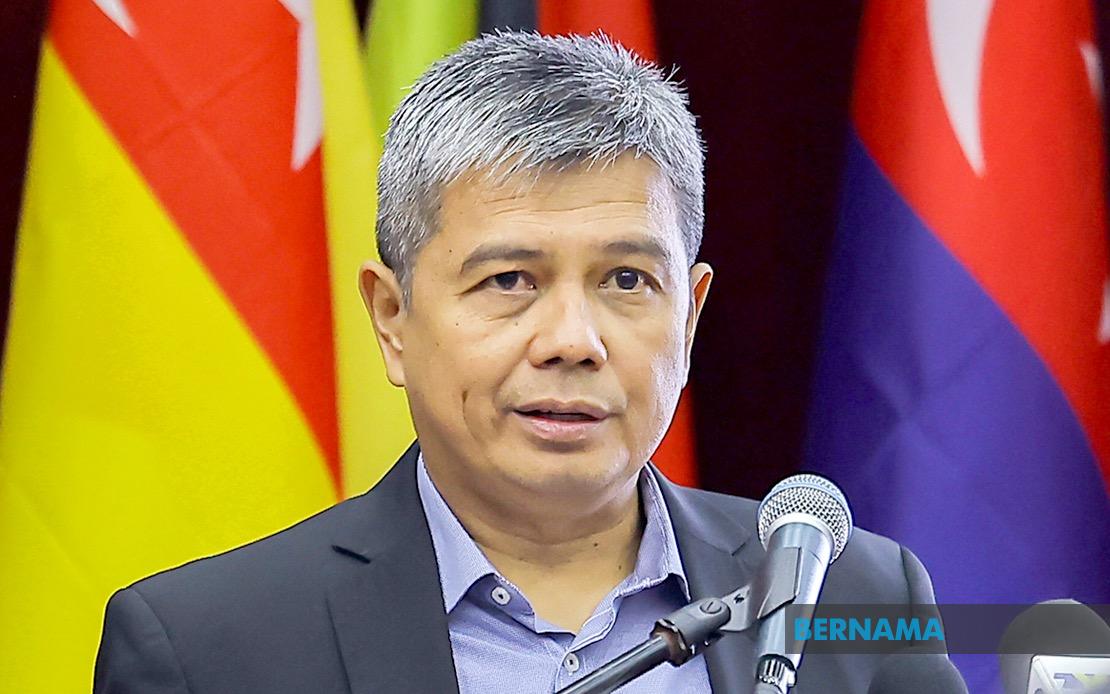
The Election Commission (EC) has issued a firm reminder that all political parties and candidates contesting in Johor's 16th State Election must halt their campaign operations once the official campaign period expires at 11.59 pm tonight. Election Commission secretary Datuk Khairul Shahril Idrus delivered the directive in Johor Bahru, emphasising that the blackout period represents a critical juncture in ensuring fair electoral conduct ahead of tomorrow's poll.
The cessation of campaign activities encompasses a comprehensive range of activities that candidates and party machinery have relied upon throughout the campaign trail. Beyond traditional ground-level canvassing, which must cease immediately after the deadline, political parties are explicitly prohibited from continuing digital campaign efforts across all major social media platforms. This includes Facebook, X (formerly Twitter), Instagram, TikTok, Threads, and other online channels through which candidates have been mobilising supporters and disseminating messages. The breadth of this restriction underscores the EC's commitment to creating a level playing field in the final hours before polling booths open.
A particularly important caveat for party operatives concerns the prohibition on establishing, operating, or maintaining campaign booths on polling day itself. Datuk Khairul Shahril made clear that any such activity constitutes a criminal offence under the Election Offences Act 1954, carrying legal consequences for both parties and individual candidates. This prohibition serves a dual purpose: preventing campaigns from continuing through a different medium after the official blackout begins, and ensuring that polling stations remain neutral spaces free from active electioneering that might influence voters as they approach their voting areas.
For voters navigating the electoral process tomorrow, the EC has established clear protocols regarding the use of electronic devices within polling premises. Mobile phones remain strictly prohibited inside polling streams, with notices conspicuously displayed throughout polling stations reminding voters of this rule. This restriction aims to protect ballot secrecy and prevent any attempt to document voting choices or communicate with party operatives about voting intentions. Voters who inadvertently bring mobile phones must deposit them in designated collection areas immediately after receiving their ballot papers, retrieving them only after completing their voting.
The EC has encouraged voters to plan their visits strategically rather than queuing during peak hours, suggesting they consult the MySPR Semak application for recommended voting times based on their electoral roll position. However, the commission has maintained flexibility by permitting voters to cast ballots at any time between 8 am and 6 pm, or according to specific gazetted operating hours for their respective polling centres. This balance between recommendations and flexibility acknowledges that voters face varying work and family commitments on election day.
Voter preparation remains crucial for a smooth electoral experience, and the EC has emphasised the importance of bringing proper identification documentation to verify registration status. The commission advises all voters to review their voting information in advance using the multiple platforms the EC has made available, reducing the risk of confusion or delays at polling stations. Crucially, voters have been reminded never to relinquish their identity cards to anyone except authorised election officials, preventing potential fraud or misuse of personal documentation.
Employers across Johor have received a parallel reminder of their statutory obligations under the Election Offences Act 1954 to grant eligible registered employees reasonable time to cast their votes. This provision recognises that elections represent a civic duty that transcends normal work schedules, and deliberate obstruction of employees' voting rights constitutes a legal violation. The EC's public reminder to employers serves as both notification and enforcement mechanism, signalling that compliance will be monitored.
Behind the scenes, the EC has invested considerable effort in ensuring the physical infrastructure of tomorrow's election functions flawlessly. Comprehensive checks of polling equipment were conducted on Thursday and Friday, including verification of ballot boxes, indelible ink supply, ballot papers, and voting booths. All materials were subsequently distributed to Presiding Officers (KTM) stationed at individual polling streams. These logistical preparations, though unglamorous, form the essential foundation upon which electoral integrity rests and voter confidence depends.
The culmination of these procedural reminders and practical preparations marks the transition from an active campaign period—during which parties have made their case to voters—to a structured voting process designed to ensure fairness and security. For Malaysian political observers and the broader Southeast Asian region, Johor's election carries significance beyond the state itself, potentially influencing perceptions of electoral management in Malaysia and serving as a test of institutional stability during competitive democratic exercises. The EC's meticulous attention to detail in these final hours reflects the stakes involved in maintaining public trust in electoral outcomes.

