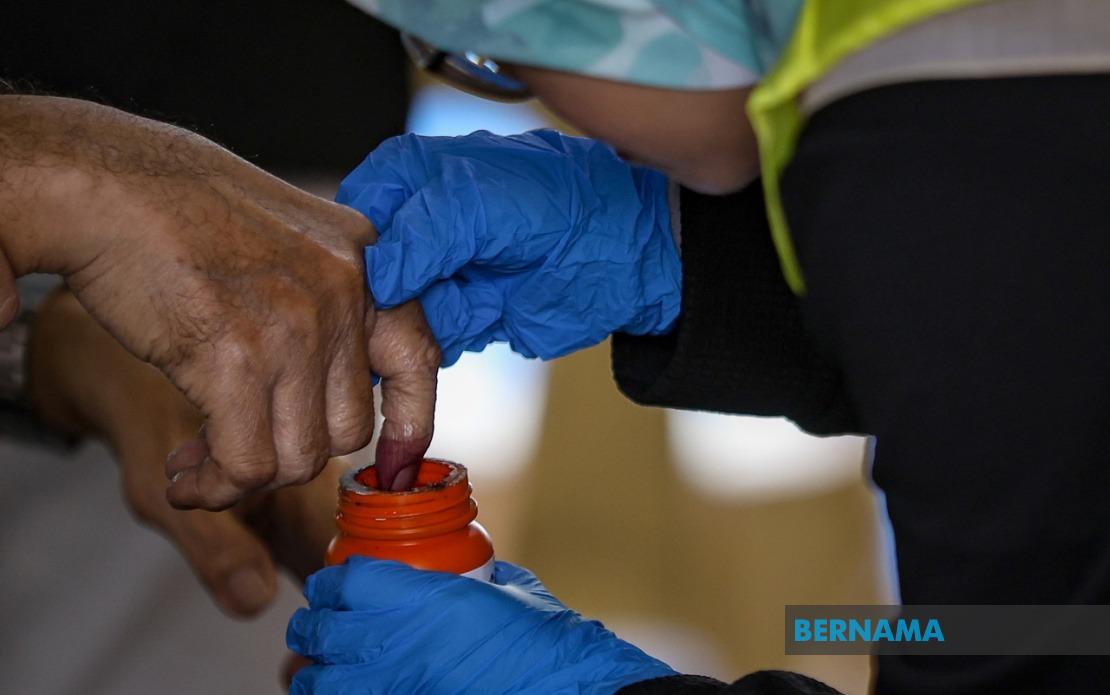
Ahead of the 16th Negeri Sembilan state election scheduled for tomorrow, the Election Commission has issued a detailed set of instructions to ensure orderly polling and maintain ballot integrity. EC secretary Datuk Khairul Shahril Idris outlined the key directives in Seremban today, emphasizing voter cooperation to streamline the electoral process while protecting the sanctity of the vote.
The commission is encouraging voters to adopt a novel approach by referencing the MySPR Semak application, which provides individualised recommended voting windows to distribute the electorate throughout the day. While voters retain the flexibility to cast their ballots anytime during the standard operating period from 8 am to 6 pm, Datuk Khairul stressed that adhering to suggested timeframes would significantly alleviate congestion at polling centres. This technology-driven strategy represents an effort to modernise Malaysia's voting experience, allowing the commission to predict and manage foot traffic more effectively than traditional approaches.
Security and verification procedures will form a critical component of tomorrow's polling. Voters are mandated to carry identification documents for verification purposes, with strict protocols governing how these materials are handled. The EC has explicitly warned against surrendering identity cards to anyone without proper electoral authority, underscoring the importance of procedural safeguards against impersonation or fraud. This emphasis reflects broader concerns about election integrity that have become increasingly prominent in Southeast Asian democracies.
Perhaps the most visually notable new regulation concerns the prohibition of mobile phones within polling channels. Voters must deposit their devices in designated areas before entering voting booths and retrieve them afterward. This measure aims to simultaneously protect ballot secrecy—preventing the covert photographing of ballots—and minimise external distraction during the voting process. The EC framed this restriction as integral to modernising voting procedures while maintaining the confidentiality that underpins democratic legitimacy.
Dress codes and campaign material restrictions represent another dimension of the EC's regulatory framework. All individuals entering polling centres, including voters, candidates, and electoral personnel, are prohibited from wearing attire bearing political party or candidate insignia, logos, symbols, or images. Similarly, campaign materials of any description—encompassing slogans, taglines, or promotional content favouring any political entity—are strictly forbidden. Violations of these requirements could result in voters being denied access to polling centres entirely, giving the rules considerable enforcement teeth.
The campaign period itself concludes today at 11.59 pm, after which all electioneering activities must cease. This prohibition extends beyond traditional canvassing at polling venues to encompass digital platforms and social media, reflecting the EC's recognition that modern campaigns operate across multiple channels. Political parties are also barred from operating booths on polling day itself, a restriction enshrined in the Election Offences Act 1954 and subject to criminal penalties.
The scale of tomorrow's election underscores the logistical complexity of administering the state polls. Approximately 15,344 polling officials have been deployed across 401 polling centres to manage the voting process. The commission has conducted early voting to accommodate certain demographic groups, with 16,467 security personnel and their spouses casting ballots on Tuesday. The total eligible voter roll stands at 859,760 ordinary voters, following the completion of early voting arrangements.
For Malaysian voters, these guidelines reflect evolving standards in electoral administration across the region. Southeast Asian democracies have increasingly adopted technological tools to enhance efficiency while simultaneously implementing stricter procedural controls to counter concerns about vote manipulation or irregularity. The MySPR Semak recommendation strategy, while voluntary, represents how Malaysian authorities are attempting to harness digital systems to improve the voting experience without compromising accessibility or equity.
The restrictions on campaign materials and political attire within polling centres underscore the fundamental principle that voting spaces must remain politically neutral environments where voters exercise choice free from intimidation or undue influence. By extending these prohibitions to all persons—including candidates and officials—the EC attempts to create genuinely level playing fields where no political faction enjoys visual advantage or promotional platform. This egalitarian approach has become standard practice across established democracies and reflects Malaysia's commitment to these principles.
For voters preparing for tomorrow's election, the practical implications are straightforward: bring identification, arrive during recommended times if possible, leave phones behind, and avoid wearing or carrying campaign-related items. The commission's multi-layered approach aims to balance administrative efficiency with security and procedural integrity, acknowledging that modern elections must serve millions while maintaining public confidence in democratic outcomes. As Malaysian voters head to polls across Negeri Sembilan, compliance with these guidelines will determine whether the electoral process achieves both logistical smoothness and legitimacy.

