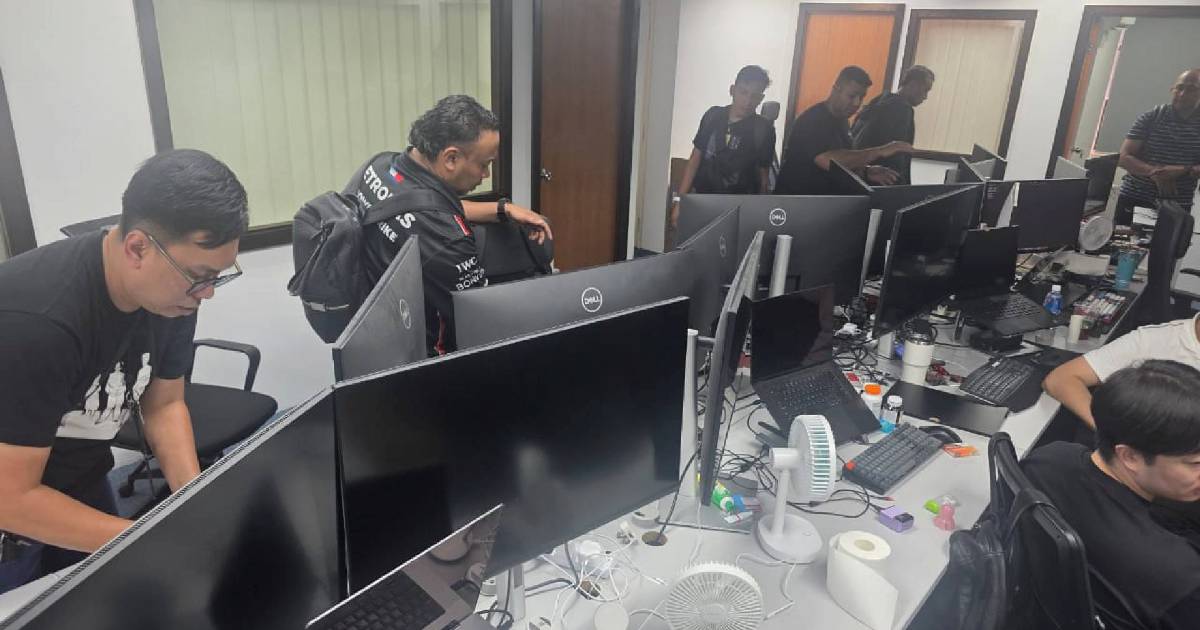
Malaysian authorities have intensified their crackdown on illegal gambling operations ahead of the World Cup, with police conducting a significant enforcement action that resulted in the apprehension of 11 individuals involved in an unlicensed football betting syndicate. The raid, carried out on an office building situated in the Taman Desa area of Brickfields, Kuala Lumpur, yielded evidence of a sophisticated call-centre operation catering to international betting enthusiasts during the global football tournament.
Among those detained were six nationals from South Korea, a country increasingly identified in regional law enforcement operations as a source of capital and technical expertise in the illegal gaming industry. The presence of foreign nationals in what police characterised as a professional betting operation underscores the transnational nature of unlicensed gambling networks operating across Southeast Asia. These international syndicates typically establish bases in jurisdictions they perceive as offering operational advantages, whether through geographical location, relative oversight gaps, or existing networks of criminal collaborators.
The timing of this operation reflects heightened police vigilance during major international sporting events, particularly the FIFA World Cup, when illegal betting activity typically surges. Football's global appeal and the betting frenzy it generates make the tournament an unusually lucrative period for underground gaming operations. Enforcement agencies recognise that intercepting these activities during high-stakes periods can yield substantial disruption to criminal networks that rely on seasonal surges in turnover.
Taman Desa's selection as an operating location is not incidental. The Brickfields commercial zone contains numerous office buildings with mixed-use occupancy, providing operational cover for illegal enterprises. Call-centre based betting operations typically employ dedicated telephone lines and digital infrastructure to connect with clients worldwide, often disguising their activities within legitimate business facilities. The choice of such premises demonstrates how organised gambling syndicates exploit Malaysia's urban commercial landscape to hide illegal operations in plain sight.
The distinction between the five Malaysian nationals and six South Korean suspects detained carries investigative significance. Authorities will likely examine whether this reflects a structural hierarchy within the organisation, with international operatives occupying management or specialist positions while local personnel fulfilled execution roles. Such arrangements are characteristic of transnational criminal enterprises seeking to maintain operational flexibility whilst minimising exposure for senior figures within originating countries.
Illegal sports betting remains a persistent challenge for Malaysian law enforcement, operating within a regulatory environment where only government-licensed entities may conduct gambling activities. Unlicensed operators undermine both government revenue streams and social objectives around responsible gaming. The sophistication of call-centre based operations indicates how criminal entrepreneurs continuously adapt to enforcement pressures, moving away from traditional physical locations toward technology-dependent models that reduce detection risk.
The World Cup's global reach amplifies betting demand across all demographics and income levels within Malaysia. These events create windows of vulnerability when regulatory capacity becomes strained by the sheer volume of betting activity. Professional syndicates capitalise on such periods, deploying temporary or reinforced operational capacity to maximise profit extraction before anticipated enforcement operations intensify.
The involvement of South Korean nationals aligns with broader regional security assessments regarding Korean criminal networks' involvement in Southeast Asian gambling infrastructure. Intelligence agencies across the region have identified increasingly organised involvement by Korean crime syndicates in establishing illegal gaming platforms, money laundering services, and unlicensed sports betting operations. This geographic expansion reflects both the maturation of Korea's domestic gambling market and strategic relocation by criminal enterprises seeking more permissive operational environments.
Malaysia's response to this syndicate represents a component of broader police initiatives addressing illegal gambling. While individual enforcement operations generate arrests and asset seizures, the underlying dynamics driving such activity persist. Demand from Malaysian gamblers for diverse betting options, combined with limited legal alternatives beyond government-licensed platforms, sustains an environment where illegal operators can maintain profitability despite enforcement risks. The persistent involvement of transnational criminal elements suggests that cooperation mechanisms between Malaysian police and international law enforcement counterparts, particularly in South Korea and other regional jurisdictions, warrant continued strengthening to disrupt these networks at their source.
The investigation into the seized call centre will likely yield valuable intelligence regarding the operational structure, clientele, and financial mechanisms of this syndicate. Such information assists authorities in developing profiles of how illegal betting operations function within Malaysian contexts, informing future enforcement priorities. Additionally, the apprehension of foreign nationals may facilitate diplomatic channels for enhanced cooperation in investigating cross-border financial flows connected to the operation, potentially revealing broader networks operating throughout Asia.

