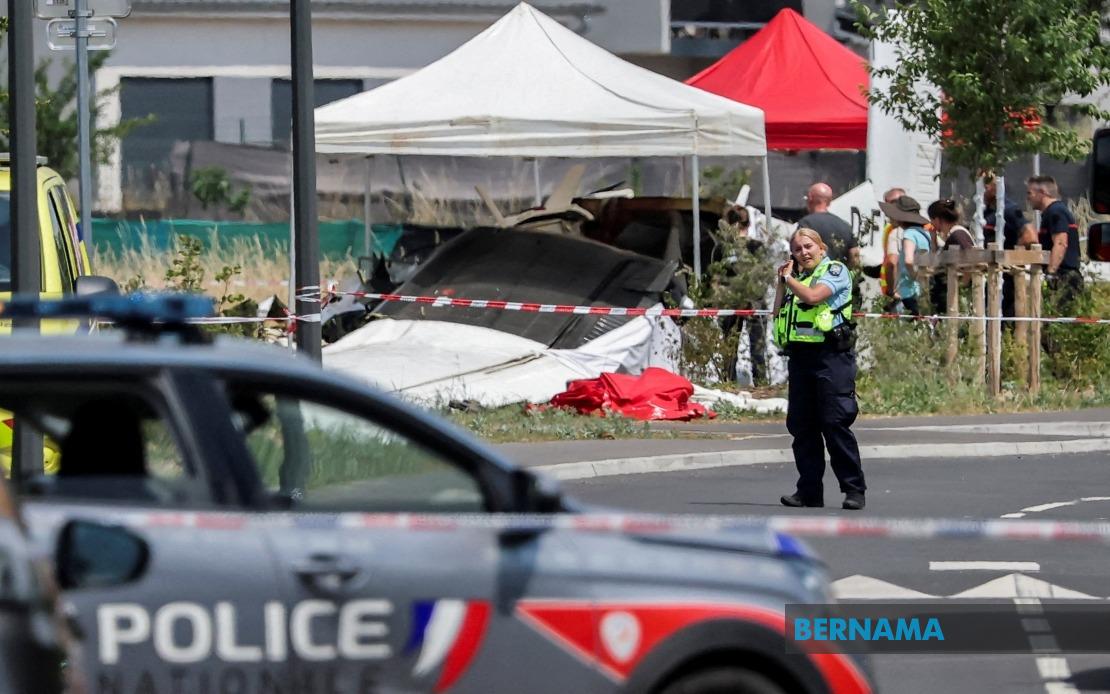
A civilian aircraft carrying 11 people crashed near the eastern French city of Nancy on Sunday, resulting in the death of everyone on board. The incident occurred in the town of Tomblaine, located in the Meurthe-et-Moselle department, shortly after the plane departed from Nancy-Essey Airport, according to local French authorities and regional broadcaster BFM TV.
The aircraft was operating a skydiving expedition when the accident happened, with the passenger manifest comprising the pilot, two groups of five parachutists, and several other occupants. Among those killed were independent nurses who were participating in an initiation event as part of the flight, according to Thierry Pechey, head of the Meurthe-et-Moselle branch of the Order of Independent Nurses. The exact circumstances leading to the crash remain under investigation by authorities.
The combination of professional skydivers and nurses on a single flight suggests this was likely a recreational or team-building activity rather than a routine transport operation. Such mixed-purpose flights are occasionally arranged for corporate or organizational outings in European aviation, though the safety protocols for managing diverse passenger groups during skydiving operations have come under scrutiny following this incident. The presence of both skydiving instructors and civilian participants underscores the complex nature of the flight's operations.
French Interior Minister Laurent Nunez moved quickly to address the crisis, with his office announcing plans for the minister to travel to the crash site on the day of the accident. This high-level response reflects the gravity of the incident and France's commitment to a thorough investigation. The rapid mobilization of government resources signals the authorities' determination to establish the cause of the crash and implement any necessary safety improvements.
Local emergency response coordinators activated comprehensive disaster management protocols following the crash. Meurthe-et-Moselle Prefect Yves Seguy initiated the departmental operational centre to oversee coordination among emergency services and to monitor the response in real time. This centralized approach allows authorities to pool resources effectively and maintain clear communication channels among the various agencies involved in the recovery and investigation efforts.
The crash site itself posed significant logistical challenges for first responders. Police authorities instructed the public to avoid the area surrounding Rue Salvador Allende in Tomblaine to ensure that emergency responders and law enforcement personnel could access the scene without obstruction. Such cordoning-off measures are standard protocol in aviation accidents, as they allow investigators to preserve evidence and prevent contamination of the crash site while emergency teams conduct their work.
The tragedy highlights ongoing questions about safety in recreational aviation activities across Europe. While skydiving operations have established safety records and regulatory frameworks, the integration of mixed passenger groups on flights designed for aerial activities introduces additional variables that operators and regulators must carefully manage. Each European nation maintains its own aviation safety standards, though they generally align with European Union Aviation Safety Agency guidelines.
For Malaysia and Southeast Asia, this incident serves as a reminder of the importance of rigorous oversight of recreational aviation services, particularly those involving international operators or activities combining different passenger categories. As adventure tourism continues to grow across the region, local aviation authorities must ensure that safety standards remain uncompromised regardless of the type of flight operation or passenger mix involved.
The investigation into the Tomblaine crash will likely examine multiple factors including weather conditions at the time of takeoff, aircraft maintenance records, pilot experience and certification, and the specific procedures followed during the skydiving operation. French aviation authorities will coordinate with the European Union Aviation Safety Agency to ensure a comprehensive examination of all potential contributing factors.
For the families of those affected and the broader aviation community, this accident underscores the inherent risks associated with aviation, even in seemingly routine recreational operations. The incident will inevitably prompt reviews of safety protocols not only in France but potentially across European skydiving and recreational aviation operations, as regulatory bodies seek to prevent similar tragedies in the future.

