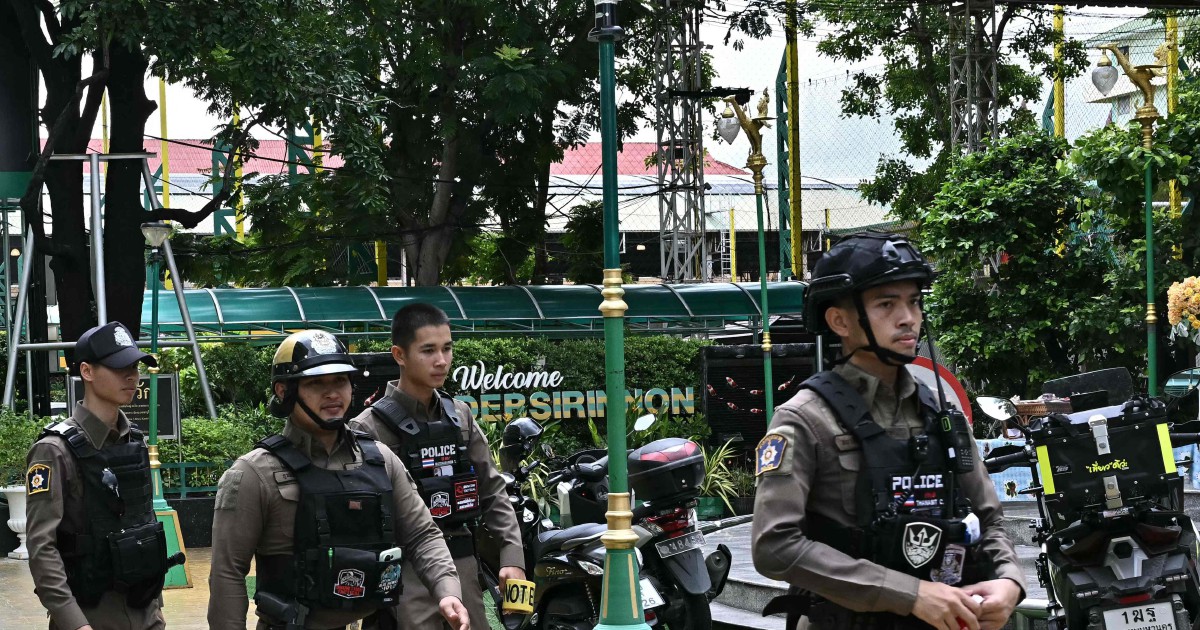
Thai law enforcement has apprehended at least eleven French citizens since the start of the summer season after discovering several kilograms of cannabis concealed in their baggage, a police official confirmed to the international press this week. The arrests represent a significant enforcement operation against drug trafficking coordinated through Southeast Asia's busiest tourist corridor, where authorities have intensified scrutiny of international travellers.
The scale of the seizure points to an organised operation rather than isolated incidents of individual tourists attempting to import narcotics. Multiple kilograms of cannabis indicates a coordinated smuggling effort, likely involving distribution networks operating across Thailand and potentially extending into neighbouring countries. The timing during peak tourist season suggests coordinated timing by trafficking groups seeking to exploit heightened passenger volumes at major entry points.
Thailand maintains some of the world's strictest drug laws, with possession and trafficking carrying severe criminal penalties including lengthy imprisonment and substantial fines. The kingdom classifies cannabis as a controlled substance under its Narcotics Act, with no distinction between therapeutic and recreational use at present. Foreigners caught with illegal drugs face prosecution under the same statutes as Thai nationals, and consular assistance to detained Europeans is frequently limited during criminal proceedings.
French authorities have expressed concern regarding the apparent targeting of their nationals in what may constitute a deliberate recruitment strategy by trafficking syndicates. Organised crime networks operating throughout Southeast Asia have historically identified European tourists as potential mules, leveraging limited language skills, unfamiliarity with local legal systems, and financial vulnerability. The consistent profile of arrested individuals across multiple cases suggests systematic exploitation of specific national groups.
The arrests highlight persistent tensions between tourism promotion and narcotics enforcement in Thailand. The country welcomes approximately 40 million international visitors annually, generating substantial foreign exchange revenue essential to the broader economy. Simultaneously, Thai authorities face mounting pressure to demonstrate commitment to combating drug trafficking, particularly following criticism from international bodies regarding border control effectiveness and enforcement consistency.
For Malaysian readers and regional observers, the case underscores the interconnected nature of drug trafficking networks spanning Southeast Asia. Malaysia itself serves as a crucial transit point and consumption market within broader supply chains originating from the Golden Triangle region and extending southward through Thailand. Enhanced enforcement cooperation between Thailand and its neighbours remains essential for disrupting these operations before contraband reaches Malaysian ports and airports.
The detention of European nationals also reflects broader patterns of trafficking group diversification. Rather than relying exclusively on regional recruitment, syndicates increasingly employ international networks spanning multiple continents. This globalisation of drug trafficking requires coordinated intelligence-sharing and enforcement protocols extending beyond bilateral agreements between nations, demanding regional frameworks such as those coordinated through ASEAN and international bodies.
Consular services provided by the French embassy in Bangkok face mounting pressure as detention cases multiply. Diplomatic missions typically facilitate legal representation and maintain contact with imprisoned citizens but possess limited ability to influence judicial proceedings in host nations. The cases raise questions regarding preventive measures that source countries might implement to educate nationals about trafficking recruitment tactics and the severe consequences of involvement in drug operations.
Thailand's legal system provides limited procedural protections compared to Western legal frameworks, particularly regarding bail conditions, trial duration, and evidential standards. Foreign nationals convicted of drug trafficking frequently serve sentences exceeding twenty years in Thai correctional facilities, where conditions remain notably challenging. The absence of bilateral prisoner transfer agreements with France means convicted individuals cannot readily complete sentences in their home countries.
The broader context of regional drug enforcement reveals significant capability gaps despite increased resource allocation. Border regions remain vulnerable to trafficking due to challenging terrain, limited surveillance infrastructure, and coordination difficulties between national authorities. Thailand's commitment to addressing drug trafficking, while substantial, faces constraints from the sheer volume of contraband transiting the region annually and the sophisticated methodologies employed by criminal organisations.
For potential travellers from Malaysia and throughout the region, the case serves as a stark reminder of enforcement realities in Thailand and the catastrophic personal consequences of involvement with prohibited substances. Criminal records for drug offences result in permanent immigration restrictions, employment barriers, and substantial financial penalties extending far beyond judicial sentences. Intelligence agencies across Southeast Asia maintain detailed records facilitating identification of individuals with trafficking-related convictions.
Thailand's recent evolution regarding cannabis policy deserves examination, as limited medical applications have generated ambiguity among tourists regarding legal status. Medical cannabis remains heavily restricted despite therapeutic research, and recreational use remains absolutely prohibited. The distinction between evolving regulatory frameworks and enforcement reality frequently eludes international travellers, creating legal jeopardy for those presuming Thailand mirrors progressive policies elsewhere.
Regional cooperation mechanisms must evolve to address trafficking patterns targeting multiple nationalities through coordinated supply and distribution networks. Intelligence-sharing regarding trafficking methodologies, recruitment tactics, and organisational structures remains inconsistent across Southeast Asian jurisdictions. Developing standardised protocols for identifying at-risk travellers and enhancing border screening could prevent future arrests while respecting legitimate travel and tourism flows essential to regional economic development.

