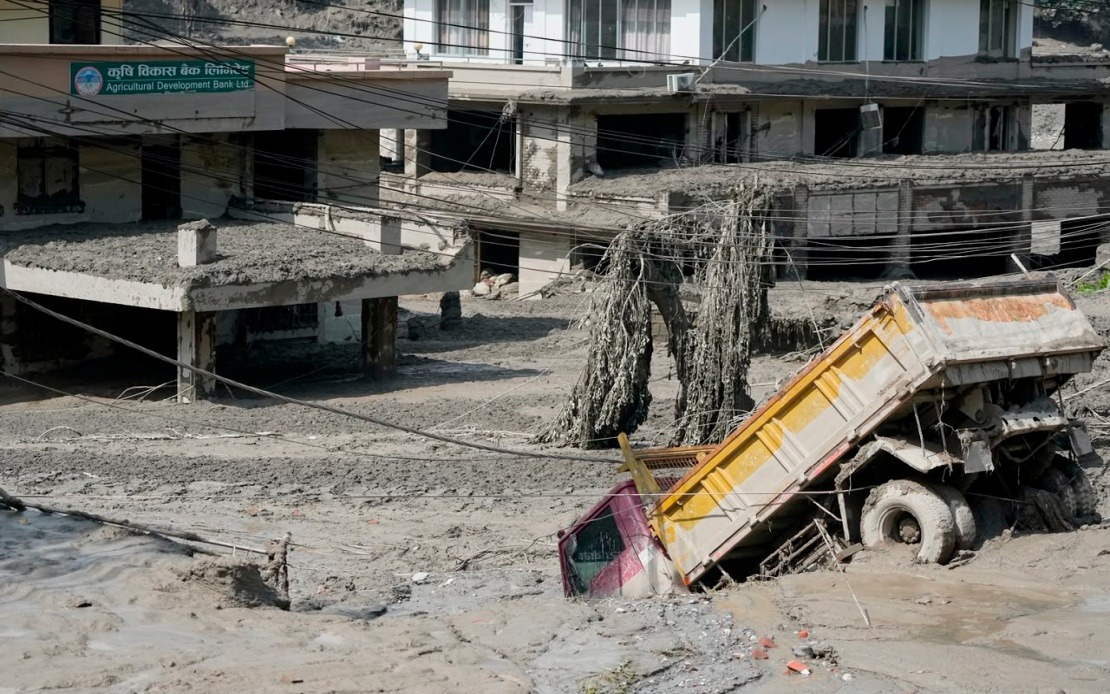
Eleven Malaysian nationals have gone missing in Nepal's northern Rasuwa district after devastating floods swept through the region, according to a statement from Malaysia's Foreign Ministry released on Wednesday. The embassy in Kathmandu first received notification of the missing Malaysians through travel agencies, though the inability to establish contact appears to stem from the widespread destruction of communication and power infrastructure caused by the disaster rather than confirmed harm to the nationals themselves.
The scale of the flooding became apparent when a massive flash flood surged through the Bhote Koshi River area in Rasuwa district during Wednesday morning, destroying markets, residential settlements and critical infrastructure across the region. The sudden and violent nature of the flooding left little time for residents and tourists to take shelter or escape the affected zones, compounding the challenge faced by rescue authorities attempting to account for missing persons in the aftermath.
Malaysia's embassy has mobilised diplomatic and consular resources to assist in locating the missing nationals. Coordination efforts are currently underway with Nepalese government authorities and search and rescue teams that have been deployed across the disaster zone. The ministry emphasised in its statement that the loss of contact does not necessarily indicate injury or death, but rather reflects the communication blackout that has engulfed the region following the destruction of telecommunications and electrical networks.
The incident serves as a sobering reminder of the risks that Malaysian travellers face in mountainous regions during monsoon seasons. Rasuwa district, located in the Himalayan foothills, is a popular trekking destination for international tourists, including many Malaysians seeking adventure tourism experiences. The district's geography, characterised by steep terrain and river valleys, makes it particularly vulnerable to flash flooding when heavy rainfall occurs in the region.
For Malaysian citizens currently in Nepal, the Foreign Ministry has issued an advisory urging heightened vigilance and strict compliance with local safety protocols. Those residing in or travelling through Nepal, particularly in areas near the flooding impact zone, have been instructed to prioritise personal safety and remain alert to further warnings from Nepalese authorities. The ministry acknowledged the broader risk environment across Nepal and sought to ensure that all Malaysians in the country take appropriate precautions.
Registration through Malaysia's e-Konsular portal has been highlighted as an essential step for citizens abroad. The online platform allows Malaysians to maintain updated contact information with their embassy, enabling faster communication during emergencies and facilitating more efficient coordination during disaster response operations. The ministry reminded all nationals of the portal's availability and the importance of keeping registration details current, a practice that could prove lifesaving during crises when embassies must rapidly locate and account for their citizens.
The embassy in Kathmandu has established multiple channels for Malaysians to seek assistance or report emergencies. Beyond the general contact numbers, a dedicated emergency hotline has been activated to handle urgent requests for help. The provision of direct contact information—including general lines, a specific consular assistance number, and an emergency helpline with international access—demonstrates the embassy's recognition of the communication challenges inherent in disaster situations where standard networks may be unavailable.
The timing of this incident occurs during the monsoon season in South Asia, when several countries in the region experience heightened risk of flooding and landslides. The Himalayan region is particularly susceptible to flash flooding due to its topography and seasonal weather patterns. Malaysian tourists and expatriates considering travel to Nepal during this period should factor these environmental hazards into their planning, as the monsoon season—running from June through September—creates significant risks across northern areas.
Nepal's disaster management capacity has been tested repeatedly in recent years, as the nation grapples with the intersection of extreme weather events and mountainous terrain that complicates rescue operations. The activation of government search and rescue teams indicates that Nepalese authorities are responding to the crisis with available resources, though the scale of the flooding and the affected area's remoteness may constrain the speed of rescue efforts.
The Foreign Ministry indicated its intention to provide regular updates as verified information emerges regarding the status of the missing Malaysians. This commitment to transparency reflects the ministry's awareness that Malaysian families awaiting news will require timely information. The distinction between unconfirmed loss of contact and confirmed harm is significant, and the ministry's cautious framing suggests that the actual status of the eleven nationals remains genuinely unclear at this stage.
Beyond the immediate concern for the missing nationals, this incident underscores the importance of travel insurance and emergency preparedness for Malaysian citizens venturing into regions prone to natural disasters. The consular network's limitations in responding to large-scale disasters necessitates that individuals take personal responsibility for safety planning, including understanding local risks, maintaining communication capabilities independent of standard infrastructure, and ensuring that family members at home know their location and travel plans.
The broader implications for Malaysian tourism to Nepal remain uncertain, though such incidents typically prompt temporary declines in visitor numbers and increased scrutiny of safety protocols at popular destinations. The Ministry of Tourism and the tourism industry will likely engage with Nepal's authorities to understand what additional safety measures might be implemented at trekking routes and tourist facilities in vulnerable districts.

