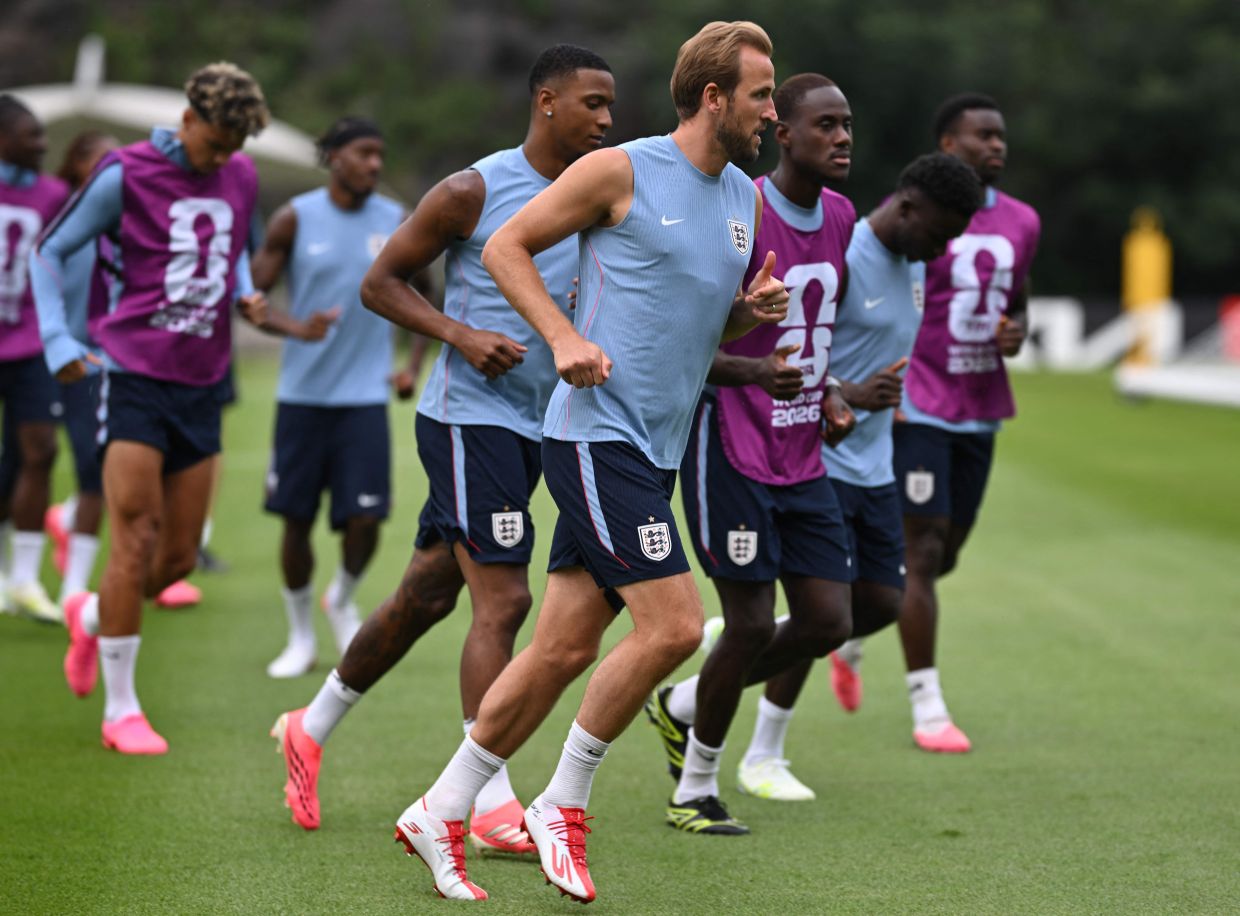
The focus of world football's gaze falls on Mexico City and New Jersey this weekend as four nations compete for two remaining spots in the World Cup quarter-finals. England's encounter with Mexico at the storied Estadio Azteca stands as one of the tournament's marquee fixtures, while simultaneously, Erling Haaland and Norway attempt an ambitious raid on Brazil's back line in the American northeast. The results of Sunday's matches will reshape the competition's final phase, potentially confirming or upending the conventional wisdom about which teams are positioned to claim the sport's greatest prize.
England's journey to this knockout stage has proven decidedly underwhelming for a squad brimming with global superstars and ranked fourth in the FIFA standings. Manager Thomas Tuchel's side scraped through the group phase without convincing displays, then required a dramatic late intervention from captain Harry Kane to edge past the Democratic Republic of Congo 2-1 and advance. The contrast between England's pre-tournament billing as genuine title contenders—seeking to end a 60-year drought in major competitions—and their actual performances represents a significant disappointment. This trajectory has invited questions about whether the Three Lions possess the resilience and tactical cohesion required to mount a serious challenge in the knockout rounds.
The Azteca presents England with layered challenges extending beyond Mexico's obvious quality. Situated 2,240 metres above sea level, the stadium imposes a significant physiological burden on visiting teams unaccustomed to such altitude. Tuchel has publicly acknowledged the constraint, noting that four days of acclimatisation proves wholly inadequate for athletes to overcome the oxygen-depleted environment. Yet the England manager appeared genuinely moved by the atmosphere and historical weight of the venue, recognising that despite the disadvantages, his side confronts an occasion that transcends routine international football. The combination of geographical challenge and ceremonial importance creates a pressure-laden environment where mental fortitude becomes as decisive as tactical execution.
Mexico enters this contest with formidable momentum and a compelling historical narrative. El Tri have claimed all four matches on Mexican soil without conceding, demonstrating defensive solidity alongside attacking efficiency. Their 2-0 demolition of Ecuador secured the team's first knockout-stage victory at the World Cup in four decades, resurrecting a programme that had experienced successive disappointments. Coach Javier Aguirre projects measured confidence while respecting England's superior ranking and wealth of talent, yet his assertion that the contest ultimately reduces to eleven players against eleven reflects Mexico's determination to frame the narrative around execution and will rather than hierarchical status. The prospect of eliminating a traditional heavyweight before their expectant home crowd provides powerful motivation.
Defensively, England's vulnerabilities remain a considerable concern for Tuchel's tactical planning. The right flank has repeatedly exposed weaknesses to opposing pace and incisiveness, creating avoidable situations where England's attack-minded orientation leaves defensive gaps exploitable by competent adversaries. Mexico's attacking players, particularly those operating in wide areas, will doubtless target these identified frailties. Conversely, England's attacking personnel—Kane and his supporting cast—present threat profiles that demand Mexico's absolute concentration. The match therefore shapes as a contest where both teams possess genuine scoring capability, raising the likelihood of an entertaining, open affair rather than a cagey, defensive stalemate.
Weather conditions will inject uncertainty into Sunday's proceedings. Forecasters have predicted thunderstorms over Mexico City around the scheduled 6pm local start time, though FIFA confirmed the kickoff would remain unchanged after briefly considering an earlier start. Temperature projections indicate approximately 21 degrees Celsius, a significant contrast to the near-record 38 degrees experienced when France defeated Paraguay in Philadelphia on Saturday. These meteorological factors could influence the pace and flow of play, potentially negating some altitude disadvantages for England should torrential conditions develop. The New Jersey venue hosting Brazil-Norway simultaneously faces its own severe weather warnings, with the National Weather Service issuing flood advisories for the region.
Brazil's approach to Haaland's exceptional tournament represents a case study in confidence tempered by respect. The Manchester City striker has scored five goals across three matches—an extraordinarily prolific return that positions him as one of the tournament's defining individual talents. Coach Carlo Ancelotti, displaying characteristic sangfroid, insists his defenders require no special briefing given their extensive familiarity with the Norwegian through Premier League and continental competition. Gabriel Magalhaes faces his Arsenal rival across an intimate knowledge derived from weekly domestic encounters, while Marquinhos brings Paris Saint-Germain experience. Ancelotti's relaxed demeanour suggests Brazil views the Haaland challenge as manageable within their established defensive framework.
Yet Norway's attacking impetus cannot be dismissed merely because Brazil possesses historical pedigree and current quality. Coach Stale Solbakken has cultivated a team that performs without intimidation, approaching the five-time world champions as a competitive challenge rather than an insurmountable obstacle. Solbakken's insistence that his players focus on match execution rather than occasion carries genuine strategic wisdom, reducing psychological burden while sharpening concentration on tactical responsibilities. While Brazil remains marginal favourite, Solbakken's assessment that contemporary Seleção lack the overwhelming dominance of previous generations resonates with observable truth. Modern football provides smaller nations with tactical tools and physical preparation previously unavailable, democratising the competition in ways that benefit underdogs.
The quarter-final pairings emerging from Sunday's results will determine the final four's composition, potentially reshaping perceptions about tournament hierarchy. Should England overcome the Azteca curse, they would face either Norway or Brazil in Miami—a scenario where French scalp-taking in Saturday's quarterfinal victory offers no guarantee of English progression. Mexico's home advantage and defensive organisation could prove decisive against an England side that has yet to fully convince. Meanwhile, Brazil's experience and technical superiority may suffice to contain Haaland's individual brilliance, though Norway's collective cohesion and contemporary tactical sophistication present genuine threats. Sunday's matches will resolve these competing narratives through ninety minutes of football where preparation, adaptability, and psychological resilience ultimately determine progression. For Malaysian viewers, these matches represent compelling showcases of tactical football at the sport's highest level, with outcomes reverberating through the competition's concluding stages.

