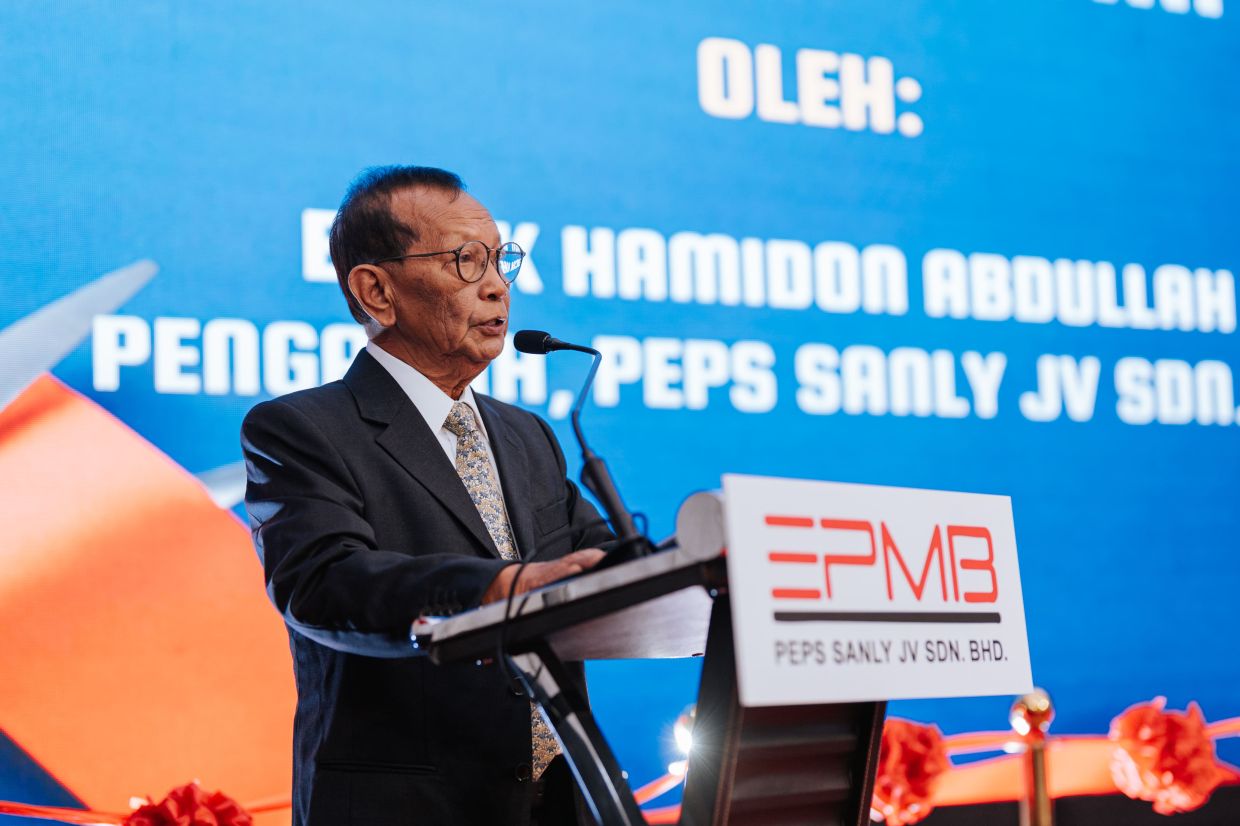
Malaysia's automotive components sector has received a significant boost with the opening of a new manufacturing facility in Tanjong Malim, operated by the joint venture between EPMB and Chinese automotive supplier Sanly Auto Parts Co Ltd. The facility, which commenced operations in October 2025, represents a strategic expansion aimed at localising the production of critical chassis components for Malaysia's national carmaker Proton. Spanning 9,909 square metres within the Automotive High Technology Valley (AHTV), the plant signals the deepening collaboration between Malaysian and Chinese automotive partners in the region.
The newly operational facility is engineered to produce an impressive 40,000 car sets monthly, translating to an annual output capacity of 480,000 sets. This production volume positions the plant as a significant contributor to Proton's component supply chain. The manufacturing focus includes front corner modules, subframe modules, and rear axle module assemblies — all critical structural elements that influence vehicle performance, safety, and durability. These components will initially serve Proton's current lineup, including the AMA01 Saga, Persona, and Iriz, whilst also supporting the anticipated launch of the AMA02 and AMA05 models that form part of Proton's broader product expansion strategy.
The joint venture between EPMB and Sanly Auto Parts was formally established in February 2025, emerging from a deliberate strategy to internalise the manufacturing of chassis components rather than relying entirely on external suppliers. This partnership carries particular significance given Sanly's established presence within China's automotive ecosystem, where the company maintains strong operational relationships with major original equipment manufacturers including Geely. By tapping into Sanly's manufacturing infrastructure and expertise, EPMB gains access to advanced metalworking techniques, assembly methodologies, and chassis systems knowledge that have been refined across multiple Chinese automotive platforms.
EPMB's executive chairman Hamidon Abdullah has articulated the strategic rationale underpinning this partnership, emphasising how collaboration with Sanly facilitates deeper integration into China's competitive manufacturing landscape. The arrangement provides EPMB with visibility into cost-effective production methods whilst maintaining stringent quality standards — dual objectives that have become increasingly critical as Malaysian automotive manufacturers navigate rising competition from regional producers. The exposure to Chinese manufacturing practices and supply chain economics enables EPMB to identify efficiency improvements and cost optimisation opportunities that can be implemented across its operations.
For Proton specifically, this development arrives at a pivotal moment in the company's strategic evolution. The national carmaker has articulated ambitious regional expansion objectives whilst simultaneously preparing its transition towards electric vehicle manufacturing. The new facility's capacity and product focus directly address Proton's need for reliable, cost-efficient component supply as it scales production to meet both domestic demand and export commitments. By securing localised production of essential chassis components, Proton reduces exposure to supply chain disruptions and improves its cost competitiveness against regional rivals who benefit from established manufacturing networks across Southeast Asia.
The Tanjong Malim location within the AHTV is particularly noteworthy, as this industrial hub was deliberately established to facilitate automotive manufacturing and component production. The clustering of automotive enterprises within the valley creates opportunities for supply chain integration, logistics efficiency, and knowledge sharing among participating firms. EPMB's investment in this location underscores confidence in the AHTV's development trajectory and its emergence as a credible automotive manufacturing destination within Malaysia.
From a broader Malaysian economic perspective, this facility expansion contributes to the government's ongoing efforts to strengthen the domestic automotive industry and maintain its position as a significant manufacturing sector. The partnership model itself — combining Malaysian operational expertise with Chinese technical capabilities — exemplifies the kind of cross-border collaboration increasingly prevalent in Southeast Asian manufacturing. Such arrangements allow Malaysian firms to access technologies and methodologies from established global suppliers whilst maintaining local ownership and control over production decisions.
EPMB's nearly four-decade relationship with Proton provides the backdrop for this expansion. The company has evolved from serving as a component supplier into a strategic manufacturing partner capable of managing complex production challenges and scale requirements. The new facility represents EPMB's commitment to deepening this partnership through tangible capital investment and capacity expansion. This continuity of relationship between a Malaysian components manufacturer and the national carmaker contrasts with industry trends where companies sometimes fragment their supply chains across multiple partners.
The operational commencement of this facility also carries implications for employment in the Tanjong Malim region and broader Perak state. Manufacturing facilities of this scale typically generate direct employment opportunities alongside indirect economic activity through service provision, transportation, and logistics support. The facility's integration within the AHTV ecosystem may stimulate additional investment as other suppliers seek proximity to established production hubs.
Looking forward, the facility's significance extends beyond immediate production metrics. As Proton advances its electric vehicle roadmap, the technologies and manufacturing processes established at this plant may evolve to accommodate components specific to electrified vehicle platforms. Chassis components for electric vehicles differ from conventional internal combustion engine models, requiring adapted designs and manufacturing approaches. EPMB's partnership with Sanly positions both companies to adapt their production capabilities in response to these emerging market requirements.

