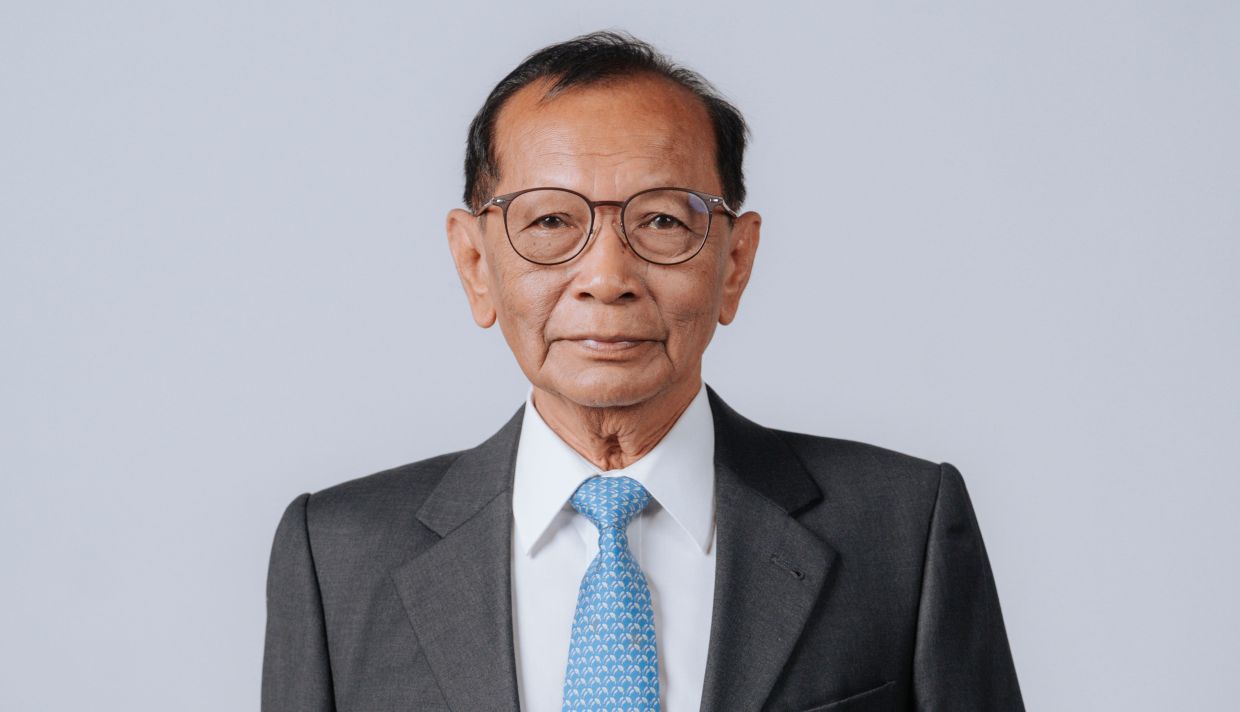
Malaysia's electronics and component manufacturer EPMB delivered a stunning financial turnaround in the second quarter of this year, with net profit ballooning nearly 19-fold as revenue climbed to its highest quarterly level in at least a decade. The surge underscores how effectively the diversified Malaysian company has capitalised on regional automotive restructuring, particularly through ambitious localisation partnerships with major Chinese electric vehicle makers seeking production footholds across Southeast Asia.
Revenue for the quarter reached RM212.7 million, representing a striking 66.6 per cent jump from RM127.7 million in the corresponding period last year. Beyond the headline profit figure, earnings per share climbed to 1.80 sen from just 0.10 sen, a meaningful improvement that signals not only top-line growth but also substantially improved operational efficiency and margin expansion. For the first half of the financial year, the company's net profit reached RM6.7 million compared to RM1.05 million in the prior-year period, while revenue advanced 47.2 per cent to RM372.9 million from RM253.2 million, indicating sustained momentum across both quarters.
Executive chairman Hamidon Abdullah attributed the transformative results to the maturation of EPMB's automotive partnerships with three major Chinese manufacturers—Great Wall Motor (GWM), SAIC-MG, and XPeng Motors. These collaborations have evolved from concept to meaningful production scale remarkably quickly. By the second quarter of this year, combined automotive production volumes under these joint initiatives had surpassed the critical threshold of 1,000 vehicles per month. This operational milestone represents far more than a simple production statistic; it demonstrates that EPMB has successfully transitioned from prototype and pilot-phase manufacturing into genuine serial production, the stage where manufacturing operations begin generating material revenue and profitability.
The timing of these partnerships aligns with a broader regional pivot among Chinese automakers. Facing rising trade tensions with Western markets and seeking to establish manufacturing bases within Association of Southeast Asian Nations member states, these companies have actively pursued localisation strategies that reduce tariff exposure and shipping costs while establishing deeper regional market presence. Malaysia, with its existing automotive ecosystem centred around Proton and Perodua, its developed industrial infrastructure, and its geographic position within ASEAN, represents an attractive investment destination for this strategy. EPMB's willingness and capability to partner with these Chinese manufacturers positions the company at the centre of this transformative regional trend.
Looking ahead, Hamidon projected further significant expansion as new vehicle models transition into the production phase and export volumes increase across ASEAN and beyond. The company's management indicated confidence in the trajectory of these partnerships, suggesting that the 1,000-vehicle-per-month baseline represents not a plateau but rather an intermediate milestone on a steeper growth curve. This projected expansion will test whether EPMB can scale manufacturing operations proportionately, particularly given the capital-intensive nature of automotive component and assembly production.
In a move that signals serious commitment to vertical integration, EPMB commenced construction in June of a new automotive painting facility located in Pegoh, Melaka. This represents a strategic decision to capture more value within the manufacturing process by bringing previously outsourced operations in-house. The painting operation constitutes a critical and complex stage of vehicle manufacturing, and establishing this capability domestically will reduce dependency on external vendors, improve delivery timelines, and enhance overall manufacturing control. This facility investment reflects management's confidence in sustained demand and their vision of evolving EPMB from a component supplier into a comprehensive manufacturing solutions provider for global automotive brands.
Beyond the Chinese electric vehicle partnerships, EPMB is simultaneously strengthening relationships with Malaysia's domestic automakers. The company has secured new component supply programmes for upcoming models from both Proton and Perodua, Malaysia's two largest automotive manufacturers. These domestic contracts provide crucial revenue diversification and reduce concentration risk from any single partner. Combined with EPMB's existing seat manufacturing operations, these Proton and Perodua supply contracts offer a stable revenue base that complements the higher-growth but potentially more volatile international partnerships. The dual positioning—servicing both domestic automakers and international brands—reflects a balanced corporate strategy.
Management has articulated an ambitious long-term vision: positioning EPMB as a comprehensive one-stop automotive manufacturing hub capable of serving global automotive brands while simultaneously supporting Malaysia's national aspiration to become a regional automotive production and export powerhouse. This vision extends beyond component supply into full-service manufacturing partnership. Such a transformation would represent a significant evolution in EPMB's corporate identity and operational scope, requiring sustained capital investment, workforce development, and sustained technological advancement to remain competitive against established tier-one automotive suppliers across Asia.
The financial performance and strategic initiatives announced represent important developments for Malaysia's automotive sector and the broader Southeast Asian manufacturing landscape. As Chinese automakers expand regional production capacity and traditional automotive supply chains reorganise around electrification and regional trade patterns, Malaysian companies like EPMB that successfully navigate these transitions stand to capture substantial value creation opportunities. The company's visible commitment to capacity expansion, vertical integration, and technological advancement suggests management confidence extends well beyond the current financial results.

