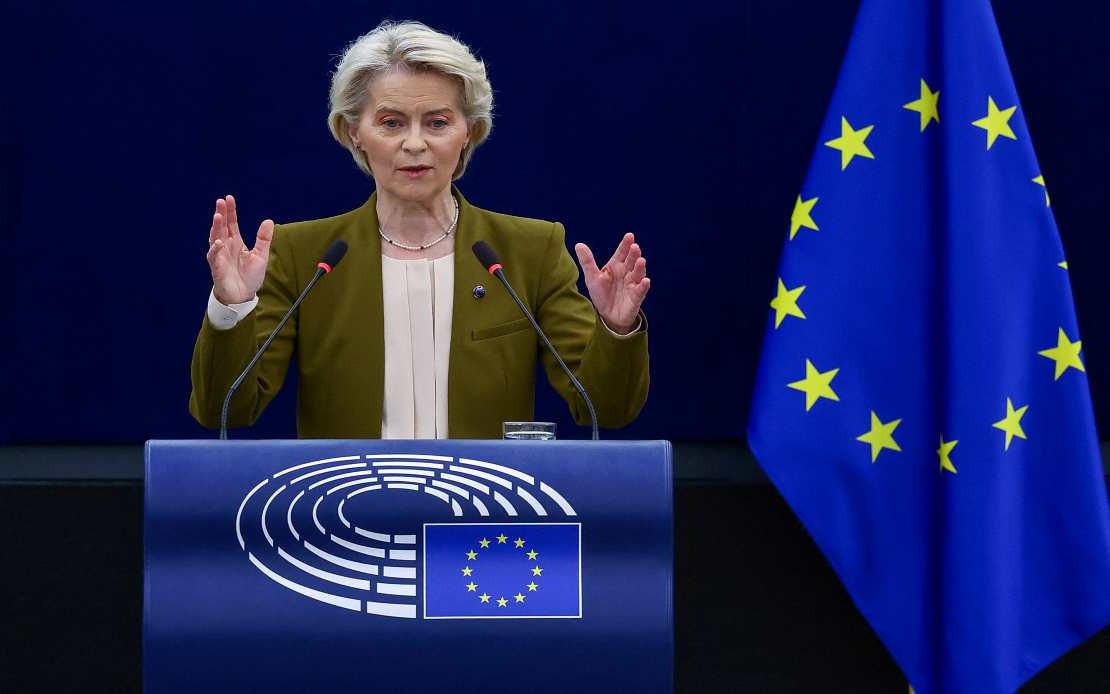
The European Union has committed €2.1 million (US$2.4 million) in urgent humanitarian support to Colombia in the aftermath of a powerful 7.4 magnitude earthquake that struck the nation earlier this week, resulting in at least 181 deaths. European Commission President Ursula von der Leyen announced the assistance on Wednesday, emphasising the bloc's commitment to backing Colombian recovery efforts as search and rescue operations continue across affected regions.
The earthquake represents a significant natural disaster for the South American nation, with the tremor causing widespread destruction and displacing thousands of residents. The magnitude and severity of the event have triggered an international response, with the EU positioning itself as a key partner in Colombia's immediate response and longer-term reconstruction. The timing of the EU announcement reflects the critical window in disaster response when rapid financial and material support can mean the difference between recovery and prolonged humanitarian crisis for vulnerable populations.
The €2.1 million assistance package targets the most pressing humanitarian needs emerging from the disaster. The funding will support the delivery of essential health services, clean water, sanitation facilities, and hygiene materials to affected communities. Beyond these immediate survival needs, the package also encompasses shelter provision, food distribution, protection services for vulnerable groups including children and displaced persons, and cash assistance to help families rebuild their lives. This comprehensive approach acknowledges that earthquake recovery extends far beyond the initial search and rescue phase.
In an immediate earlier action, the European Commission allocated €100,000 to the German Red Cross, which maintains a presence in the hardest-hit regions of Chocó and Valle del Cauca. This targeted funding was designed to address the most pressing needs of approximately 2,500 families in these areas. The decision to route support through the established German Red Cross infrastructure demonstrates the EU's pragmatic approach to disaster assistance, leveraging existing organisational capacity and local knowledge to ensure aid reaches beneficiaries efficiently.
Beyond financial contributions, the European Union is mobilising its technological resources to support ground-level emergency operations. The EU has made its satellite mapping and observation services available to Colombian authorities and humanitarian partners, providing critical geospatial intelligence for search and rescue operations, damage assessment, and logistics coordination. This technological support complements traditional humanitarian assistance and reflects how modern disaster response increasingly depends on real-time information and precision targeting of resources.
The Colombian government maintains active coordination with the European Commission regarding the evolving humanitarian situation. Commission officials have stated their commitment to remaining in regular contact with Colombian authorities to adjust assistance packages as on-ground assessments reveal additional needs and priorities. This adaptive approach recognises that the true scale and nature of humanitarian requirements often only become apparent days or weeks after initial impact, as rescue operations conclude and the assessment phase reveals secondary effects such as disease risk, malnutrition, and psychological trauma.
For Southeast Asian observers, the EU's response underscores how major natural disasters trigger international humanitarian mobilisation among developed nations and multilateral institutions. Regional countries facing similar seismic risks—including Indonesia, the Philippines, and Malaysia—can observe how established frameworks facilitate rapid cross-border assistance. The emphasis on coordination with local authorities, the mix of financial and technical support, and the engagement of established humanitarian organisations offer practical lessons for regional disaster preparedness and response mechanisms.
Colombia's geographic position on the Pacific Ring of Fire and its experience with multiple natural hazards have created institutional frameworks for managing disasters. The earthquake that struck this week adds to the country's recent history of seismic activity and climatic emergencies. International support like the EU's contribution, combined with Colombia's own response capacity, will be essential for managing the immediate humanitarian crisis and preventing secondary disasters such as disease outbreaks in crowded displacement camps.
The European Union's rapid financial mobilisation also reflects political priorities within the bloc. Colombia maintains significant diplomatic and economic ties with Europe, and the country's stability matters for international trade, migration patterns, and regional security in Latin America. The EU's assistance thus carries both humanitarian and geopolitical dimensions, reinforcing the transatlantic partnership while addressing genuine human suffering.
Longer-term implications of the earthquake extend beyond immediate humanitarian response. Reconstruction efforts will demand sustained international engagement, investment in building back better with improved seismic resilience, and support for affected communities' socioeconomic recovery. The €2.1 million commitment represents an opening gesture; subsequent phases of assistance will likely involve larger reconstruction funding coordinated with multilateral development banks and bilateral partners. For Colombia and other disaster-prone nations, establishing these international relationships and demonstrating capacity for coordinated response proves critical for accessing the billions required for comprehensive recovery.

