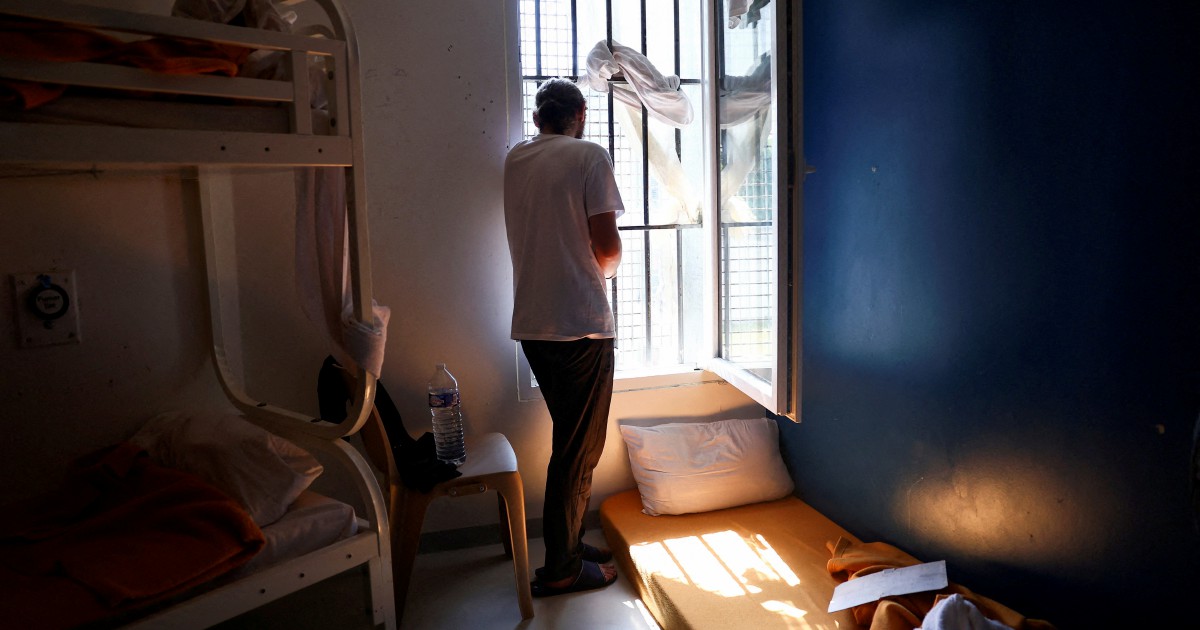
When temperatures soar beyond 37 degrees Celsius, life inside French prisons becomes nearly unbearable. One inmate recently demonstrated the desperation of his situation to a visiting government official by draping wet towels across his cell window, a makeshift attempt to provide some minimal relief from the oppressive heat. This simple act encapsulated a much larger crisis silently unfolding across European penal institutions: ageing facilities and severe overcrowding that leave vulnerable populations—including many elderly detainees—exposed to dangerous conditions during increasingly frequent extreme weather events.
The vulnerability of incarcerated populations during heat events has become impossible to ignore. Unlike the general public, prisoners cannot simply leave their confines to seek air-conditioned spaces, adjust their location, or access cooling centres. Locked behind bars in cells designed decades ago, often without modern climate control systems, they face genuine health risks ranging from heat exhaustion to life-threatening heat stroke. The situation is particularly acute in France, where prison authorities have grappled with persistent overcrowding that leaves facilities operating far beyond their intended capacity, compounding an already difficult situation.
Europe's prison infrastructure tells a story of deferred maintenance and insufficient modernisation. Many facilities were constructed in the 19th and early 20th centuries, designed for different climate patterns and lower inmate populations. As temperatures climb due to climate change, these aging structures prove inadequate. Ventilation systems struggle, cells retain heat excessively, and there is often insufficient space for inmates to move or access common areas where conditions might be marginally better. The disconnect between contemporary environmental challenges and outdated facilities has created a pressure cooker effect during heat waves.
The overcrowding dimension adds another layer of urgency to this crisis. Across Western Europe, prison populations have either remained stubbornly high or increased in recent years, driven by policy approaches that favour longer sentences and restrictive bail conditions. France, Italy, and several other countries operate prisons at occupancy levels exceeding 100 percent, with some facilities housing significantly more inmates than designed. This means not only are cells more crowded, but shared facilities, exercise yards, and medical areas become dangerously congested during peak heat periods.
Climate change is making prison conditions exponentially worse. Europe has experienced multiple severe heatwaves in recent years, with 2022 and 2023 setting records for temperature extremes across the continent. Scientists attribute this pattern directly to rising global temperatures and predict that such extreme events will become more frequent and intense. For incarcerated populations with no control over their environment, this represents an emerging human rights challenge that governments are only beginning to acknowledge. The seasonal nature of heat threats means that summer months effectively create temporary humanitarian crises within facilities.
The health implications extend beyond immediate heat-related illness. Prolonged exposure to excessive temperatures increases stress, aggravates chronic conditions, and compromises mental health—already under strain in prison environments. Elderly inmates, who represent an growing demographic within European prisons, face particular danger from heat stress. Inmates with existing cardiovascular, respiratory, or metabolic conditions face heightened mortality risk during extreme heat events. Prison medical staff, often operating with inadequate resources, struggle to manage these emerging health crises within their facilities.
Advocates and human rights organisations have intensified pressure on European governments to address this intersection of overcrowding and climate vulnerability. They argue that prisoners, despite their convictions, retain fundamental human rights including protection from inhumane treatment. Exposure to dangerous temperatures without adequate safeguards, they contend, crosses ethical and legal thresholds established by international law. Civil society groups have documented conditions through prison visits and called for mandatory infrastructure upgrades, reduced prison populations, and comprehensive emergency protocols for extreme weather events.
Governmental responses have been mixed and often inadequate. While some facilities have installed basic cooling measures—ceiling fans, improved ventilation, ice-based cooling systems—these represent piecemeal solutions to a systemic problem. Few European countries have implemented comprehensive strategies addressing both prison overcrowding and climate adaptation simultaneously. Budget constraints, political reluctance to appear soft on crime, and bureaucratic inertia have slowed meaningful reform. The COVID-19 pandemic, which briefly prompted some countries to reduce prison populations through early releases, demonstrated that overcrowding can be addressed when political will exists.
The broader implications extend beyond prison walls. How societies treat their most vulnerable and constrained populations—including incarcerated individuals—reflects fundamental values regarding human dignity and rule of law. Allowing prisoners to suffer dangerous conditions during heat waves raises questions about the legitimacy of imprisonment systems and challenges the assumption that incarceration must involve degrading treatment. European nations that pride themselves on human rights commitments face credibility gaps when their own citizens languish in dangerous conditions within state custody.
Southeast Asian observers should note that similar challenges threaten prisons across the region, where tropical climates, aging infrastructure, and overcrowding converge. Many regional facilities lack even basic ventilation, and climate change is intensifying heat stress across tropical and subtropical latitudes. The European experience offers cautionary lessons about deferring infrastructure investment and the human costs of failing to balance security with basic welfare standards. Regional policymakers might learn from European missteps and implement proactive measures combining facility modernisation, population management, and emergency protocols before heatwave-related crises force reactive responses.
Longer-term solutions require political courage and sustained investment. Countries need to simultaneously reduce prison populations through sentencing reform, alternative justice approaches, and targeted early release programmes, while undertaking major infrastructure upgrades. Modern climate-resilient prisons incorporating natural ventilation, heat-resistant materials, and redundant cooling systems must replace or substantially renovate aging facilities. Emergency protocols must guarantee that during extreme heat events, inmates have access to adequate hydration, medical monitoring, and temporary relocation if necessary. These measures require significant public investment but represent essential commitments to human rights and public health.

