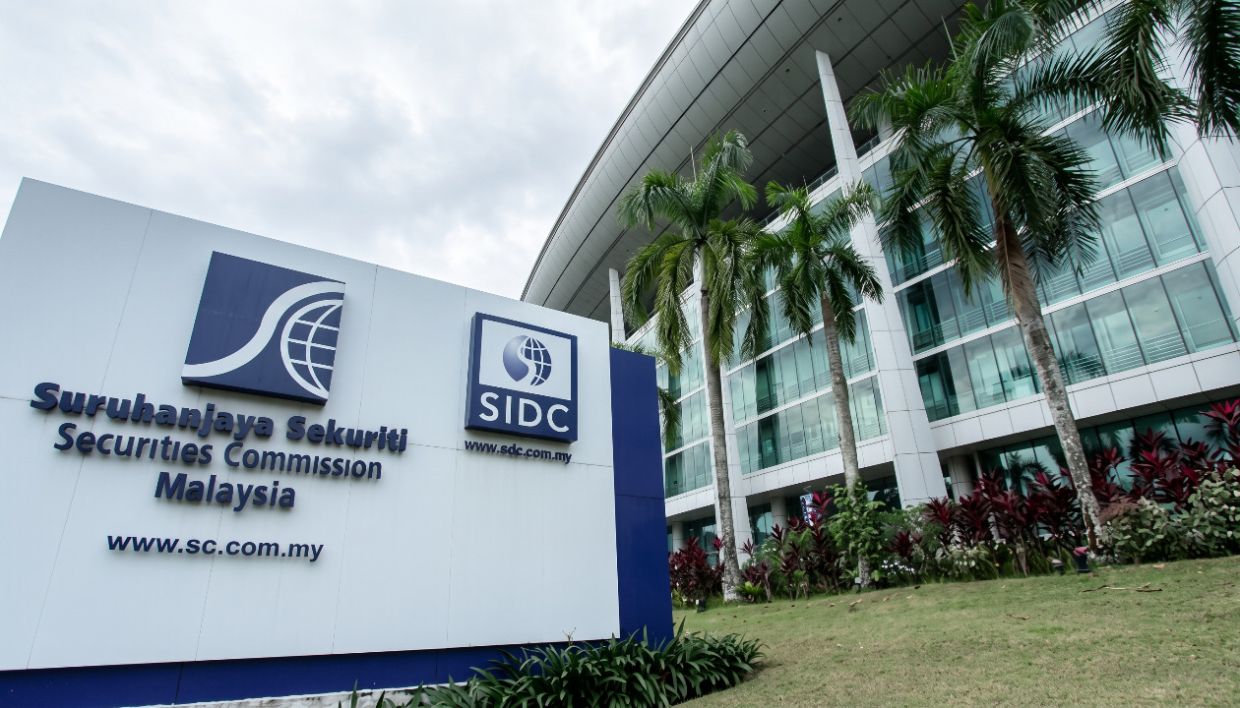
The Kuala Lumpur Sessions Court has delivered a significant ruling in securities regulation enforcement, sentencing former bank analyst Mohd Arif Fadzlee Mohd Arifin to three years imprisonment for operating in the securities market without proper licensing and misrepresenting his professional qualifications. The conviction, handed down following a trial in Petaling Jaya, underscores the Malaysian regulatory authorities' commitment to protecting retail investors from unqualified practitioners operating in the financial services sector.
Mohd Arif faced two separate charges brought by the Securities Commission Malaysia in January 2024, both arising from violations of the Capital Markets and Services Act 2007 (CMSA). The first charge centred on his conduct in representing himself as an agent of CIMB Wealth Advisors Berhad whilst engaging in securities dealing—a strictly regulated activity under Malaysian law—despite lacking the mandatory Capital Markets Services Representative's Licence (CMSRL) issued by the SC. Such licensing represents a fundamental gate-keeping mechanism, ensuring that individuals advising the public on securities transactions have demonstrated competence and undergone appropriate vetting procedures.
The second charge related to his misuse of the Unit Trust Consultant (UTC) designation, a title that carries professional implications suggesting proper accreditation. By adopting this credential without authorisation, Mohd Arif created a false impression among potential clients that he possessed legitimate regulatory standing to conduct securities transactions. This form of misrepresentation strikes at the heart of market integrity, as it exploits public trust in professional titles and regulatory frameworks that exist to shield ordinary savers from exploitation.
According to the Securities Commission's statement, the unlawful activities occurred across Petaling Jaya and Nilai during 2011, spanning a critical period when Malaysia's capital markets were recovering from the 2008 global financial crisis. The lengthy time between the alleged offences and prosecution likely reflects the complex investigative process required to build a case, gather evidence from multiple transactions, and trace the impact on victims. Mohd Arif was granted bail of RM60,000 pending trial, allowing him to remain free throughout proceedings.
During the substantive trial, prosecutors deployed a methodical approach, calling ten witnesses to the stand including two individuals who had suffered direct financial harm through his unlicensed dealings. This emphasis on victim testimony proved crucial, providing the court with first-hand accounts of how Mohd Arif's misrepresentation had induced reliance and resulted in loss. Such evidence transforms the case from an abstract regulatory violation into a concrete harm narrative, illustrating why licensing requirements exist in practice, not merely in theory.
Mohd Arif mounted a defence by testifying under oath, though notably he called no corroborating witnesses to support his account or mitigate the allegations. This strategic choice left his credibility entirely dependent on his own performance in the witness box. On February 27, 2026, following the prosecution's case-in-chief, the court determined that a prima facie case had been established, triggering Mohd Arif's obligation to present a substantive defence on both counts.
In its final judgment, the Sessions Court found that Mohd Arif had failed to create reasonable doubt regarding the prosecution's evidence, effectively accepting the state's narrative. The court convicted him on both charges and imposed a three-year custodial sentence for each, with the terms running concurrently—meaning he will serve a single three-year sentence rather than successive six-year imprisonment. This concurrent sentencing arrangement is relatively common in Malaysian practice for related offences arising from a single course of conduct.
The statutory framework governing these convictions establishes substantial maximum penalties, reflecting Parliament's assessment of the gravity of securities fraud. Section 59(1) of the CMSA, under which Mohd Arif was convicted for unlicensed dealing, carries potential penalties reaching RM5 million in fines or five years imprisonment, or both. Section 362(3), addressing misuse of professional titles, provides for fines up to RM1 million or imprisonment not exceeding five years, or both. The actual sentence imposed—three years—sits within the lower-to-middle range of available penalties.
This case resonates beyond its immediate facts, highlighting a persistent regulatory challenge across Southeast Asia: the tendency of unqualified individuals to exploit name-borrowing, where they operate purportedly on behalf of legitimate financial institutions or adopt professional designations without authorisation. Malaysian retail investors, particularly those with limited financial literacy, remain vulnerable to such schemes, which often target retirees and conservative savers seeking modest returns. The conviction demonstrates that the SC and the courts take such predatory behaviour seriously, though questions remain about detection rates and the extent of undiscovered unlicensed activity.
For the broader securities industry, the verdict reinforces the importance of maintaining robust internal compliance frameworks, particularly within major financial institutions like CIMB Wealth Advisors. The fact that Mohd Arif could claim association with an established firm whilst operating independently suggests potential gaps in how institutional names are protected against misappropriation. Going forward, financial institutions may need to enhance public-facing verification systems and internal monitoring to prevent reputational damage and consumer harm.
The regulatory context in Malaysia has evolved significantly since 2011, with the SC implementing enhanced surveillance technologies and inter-agency cooperation mechanisms designed to catch unlicensed operators more rapidly. However, this case's fifteen-year delay from alleged offence to conviction illustrates that the system's enforcement capacity remains strained. Building a prosecutable case requires substantial evidence gathering, victim cooperation, and legal resources—burdens that may explain why many unqualified advisors operate with apparent impunity until exposed through victim complaints.
Looking ahead, this judgment serves as a warning to individuals tempted to circumvent licensing requirements and to consumers who should remain vigilant about verifying credentials independently. The SC's website maintains a searchable database of licensed representatives, allowing the public to confirm legitimacy before engaging with advisors. As Malaysia's investment community matures and retail participation grows, such enforcement actions become essential deterrents to maintaining market confidence and protecting the savings of ordinary Malaysians.

