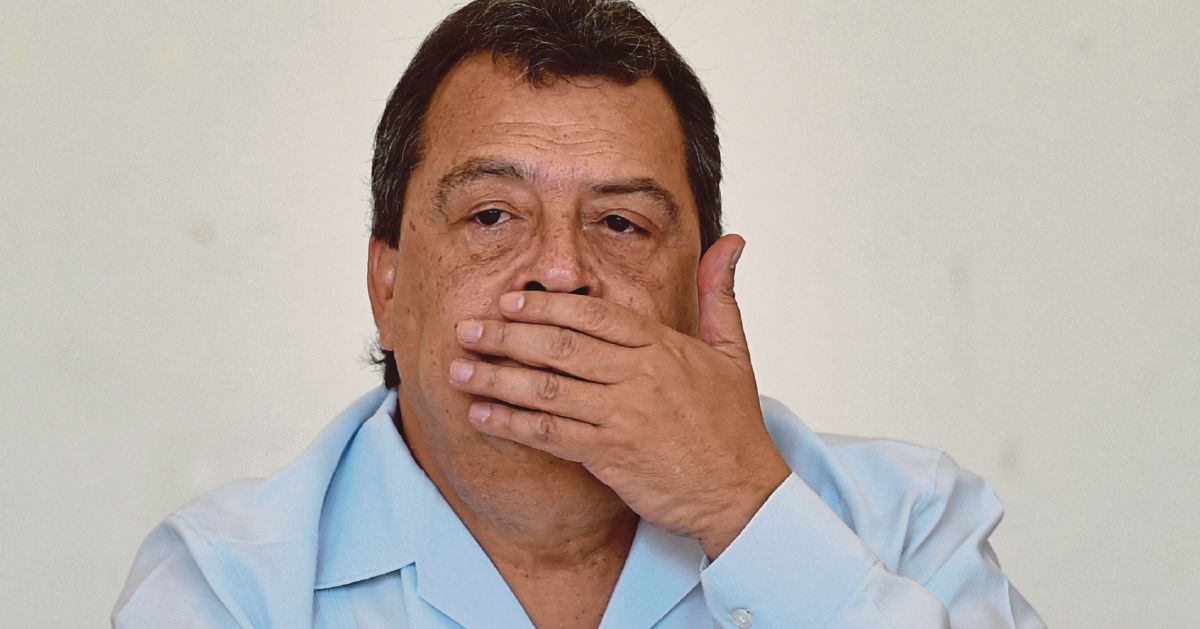
A former governor of Mexico's southern Guerrero state has been taken into custody on suspicion of ordering the destruction of evidence related to the 2014 disappearance of 43 students, marking a significant development in one of the country's most scrutinised and tragic cases. The arrest, announced by Mexican authorities on Thursday, represents renewed momentum in efforts to establish accountability for what happened to the students from Ayotzinapa Rural Teachers' College.
The case of the 43 missing students has haunted Mexico for over a decade, generating international concern and domestic outrage. The students vanished on the night of 26 September 2014 in the city of Iguala, Guerrero state, during what began as a routine fundraising event. That evening spiralled into violence when local police allegedly detained and handed over the students to criminal gangs, though the exact circumstances and final fate of most of the students remain unresolved. The case exposed deep connections between law enforcement officials and organised crime networks operating in the region.
The arrest of the former governor signals that investigators are pursuing not only those directly involved in the initial incident but also officials who may have attempted to conceal what occurred. Destroying or tampering with evidence is a separate but consequential charge that demonstrates an alleged cover-up at the highest governmental levels. This adds another dimension to a case already marked by claims of official negligence and collusion.
For Malaysian observers, the Ayotzinapa case represents a cautionary example of how institutional failures and corruption within state structures can compound human tragedy. The students' disappearance was not an isolated incident but rather emerged from a systemic environment where local authorities were allegedly compromised or complicit. The subsequent decade of investigations has revealed how multiple levels of government—municipal, state, and federal—either failed to respond adequately or actively hindered efforts to determine what happened.
The destruction of evidence charges suggest that authorities sought to obstruct the investigation during its critical early phases, when fresh leads and physical evidence would have been most valuable. Such obstruction typically indicates either direct knowledge of what transpired or fear of exposure related to official involvement. In countries across Southeast Asia facing similar challenges with crime-related disappearances and institutional opacity, the Guerrero case demonstrates the importance of establishing independent investigative bodies insulated from political pressure.
Mexico's federal government has faced international criticism for handling the Ayotzinapa investigation, particularly regarding the delays in pursuing accountability against officials suspected of cover-ups. Successive administrations have launched investigations and appointed special prosecutors, though progress has often been incremental. The latest arrest reflects increased pressure to deliver concrete results as public memory of the case remains sharp and families of the missing continue to demand answers.
The implications of pursuing charges against former state officials extend beyond the individual case. Such actions signal that investigations can eventually reach higher levels of authority, potentially discouraging others from ordering or participating in evidence destruction. However, critics argue that Mexico's judicial system, which has struggled with corruption and political interference, requires fundamental reforms to ensure such cases lead to meaningful convictions rather than symbolic arrests.
For families of the 43 students, this development offers a glimmer of accountability, though most remain frustrated by the absence of definitive information about their children's fates. Despite various investigative reports offering theories about what happened—ranging from accidental deaths to deliberate killings—no consensus exists, and uncertainty has been a constant source of grief and activism.
The case has influenced Mexican politics and governance discussions significantly. It contributed to demands for police reform, anti-corruption measures, and stronger protections for students and vulnerable groups. Human rights organisations have leveraged the case to highlight broader patterns of enforced disappearances across Mexico, where hundreds of people vanish annually under contested circumstances.
As Mexico continues investigating the Ayotzinapa case at various levels, the arrest of a former governor demonstrates that accountability remains possible, though delayed. For regional observers, the case underscores how governance failures and institutional corruption can create environments where serious crimes go unpunished and evidence destruction becomes possible. It also illustrates the long-term persistence required to pursue justice in complex cases involving multiple actors and governmental layers.
The investigation's trajectory will likely influence how future cases of disappearances and alleged official misconduct are handled in Mexico and potentially throughout Latin America. Each arrest and conviction, or conversely, each acquittal or dropped case, sends messages about whether the system can genuinely protect its citizens and hold officials accountable.

