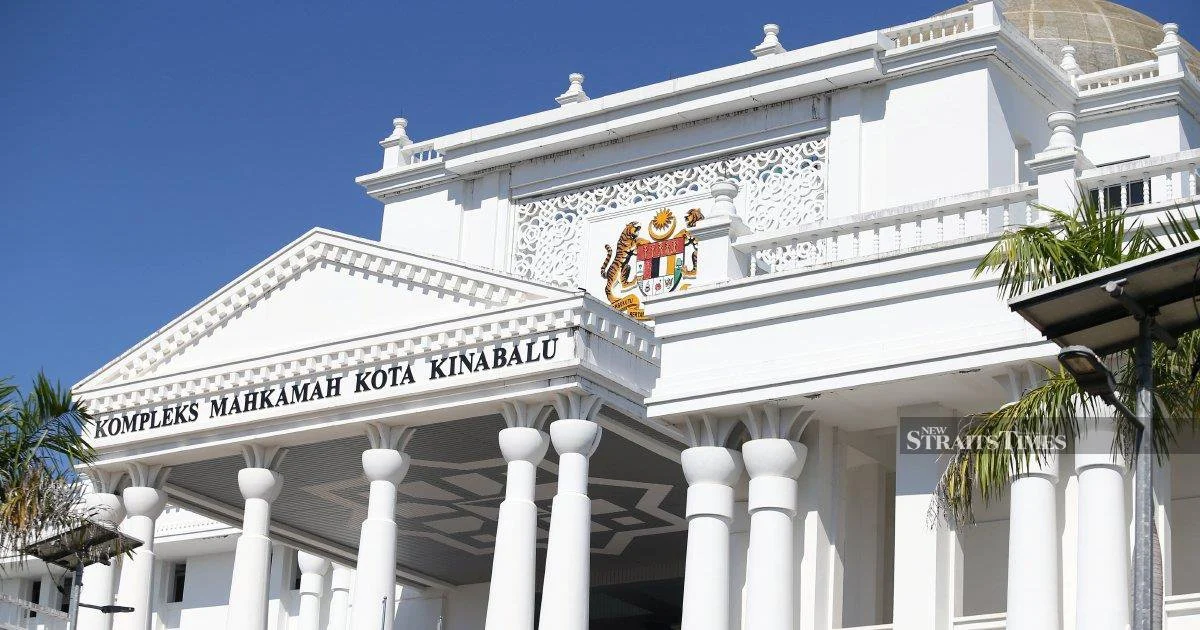
The inquest into the death of 13-year-old Zara Qairina Mahathir reached a significant juncture in Kota Kinabalu when the 74th witness took the stand, offering testimony that highlighted the complexities of expert analysis in forensic document examination. The witness, an expert in document analysis, made a notable declaration to the court that she was unable to dispute or contradict the findings that had been presented by another document examination specialist earlier in the proceedings. This development underscores the intricate nature of the inquest, which has drawn considerable public attention given the prominence of the case in Malaysia.
The inability of experts to conclusively refute one another's work raises important questions about the reliability and certainty of forensic evidence, particularly in document examination. In the context of complex investigations, different specialists examining the same evidence may arrive at varying interpretations based on their methodology, experience, and the specific aspects of the material they choose to emphasise. The witness's candid acknowledgment that she could not contradict her colleague's conclusions suggests that the evidence in question may be subject to legitimate professional disagreement, a reality that courts must grapple with when determining the significance of such expert testimony.
Document examination expertise has long played a crucial role in criminal investigations and legal proceedings throughout Malaysia and the broader region. This discipline encompasses the analysis of handwriting, signatures, typewritten materials, and various other documentary evidence that may be relevant to establishing facts in a case. The process typically involves detailed microscopic examination, comparison of questioned documents with known exemplars, and assessment of writing patterns and characteristics. However, as the current inquest demonstrates, the field is not entirely objective, and reasonable experts may interpret the same evidence differently based on their training and professional judgment.
The Zara Qairina Mahathir case has been followed closely by the Malaysian public since her death, with the inquest serving as a mechanism to establish the circumstances and cause of her passing. The involvement of multiple expert witnesses, each providing their professional perspective on various forms of evidence, reflects the thoroughness with which authorities have approached this sensitive matter. The inquest process allows for extensive cross-examination and the presentation of alternative expert opinions, ensuring that the court receives a comprehensive understanding of the evidence before reaching conclusions about what transpired.
The 74th witness's testimony, while brief in the account available, carries implications for how the evidence will ultimately be weighed. When expert witnesses acknowledge limitations in their ability to contradict competing analyses, it suggests that the document evidence in question may not be definitive or conclusive on its own. This does not necessarily diminish the value of either expert's work, but rather reflects the reality that some forms of evidence exist in grey areas where multiple interpretations are professionally defensible. Courts must then consider such evidence in conjunction with other testimony and material presented during the inquest.
The structure of the inquest process in Malaysia, involving extensive witness examination and expert testimony, aims to create a comprehensive record of available evidence. Over 74 witnesses have now testified in this proceeding, indicating the complexity and thoroughness with which investigators and the court have approached understanding the circumstances of Zara Qairina's death. Each witness contributes a piece to the larger picture, whether through direct knowledge of events, forensic analysis, medical examination, or other forms of professional expertise. The cumulative effect of all this testimony should provide the court with a solid foundation for reaching conclusions.
The admission by the witness that she could not dispute another expert's findings does not necessarily indicate weakness in the case or in any particular conclusion the court may eventually reach. Rather, it demonstrates a level of professional integrity in which an expert acknowledges the limitations of her own analysis or the validity of alternative methodologies. This transparency can actually strengthen the credibility of expert witnesses and the inquest process as a whole, as it shows that specialists are not approaching their work with predetermined conclusions but are instead grappling honestly with the evidence before them.
For Malaysian legal observers and professionals working in forensic science, the Zara Qairina inquest has provided valuable insights into how expert evidence is presented, challenged, and evaluated within the judicial system. The involvement of multiple specialists examining the same material from different angles reflects best practices in ensuring that courts receive rigorous scrutiny of evidence. The ability of experts to acknowledge limitations in their findings and the areas where professional disagreement may be legitimate contributes to a more robust understanding of what the evidence can and cannot prove.
The inquest continues to process additional witnesses and evidence, and the court's ultimate findings will depend on how all the testimony and material are synthesised and evaluated. The contribution of each witness, including the 74th's candid assessment of her limitations, becomes part of the comprehensive record that will inform the court's final determination. As the inquest progresses further, the accumulation of evidence and testimony should eventually provide sufficient clarity for the court to reach conclusions about the circumstances surrounding Zara Qairina Mahathir's death, even where some individual pieces of evidence may remain subject to legitimate professional debate.

