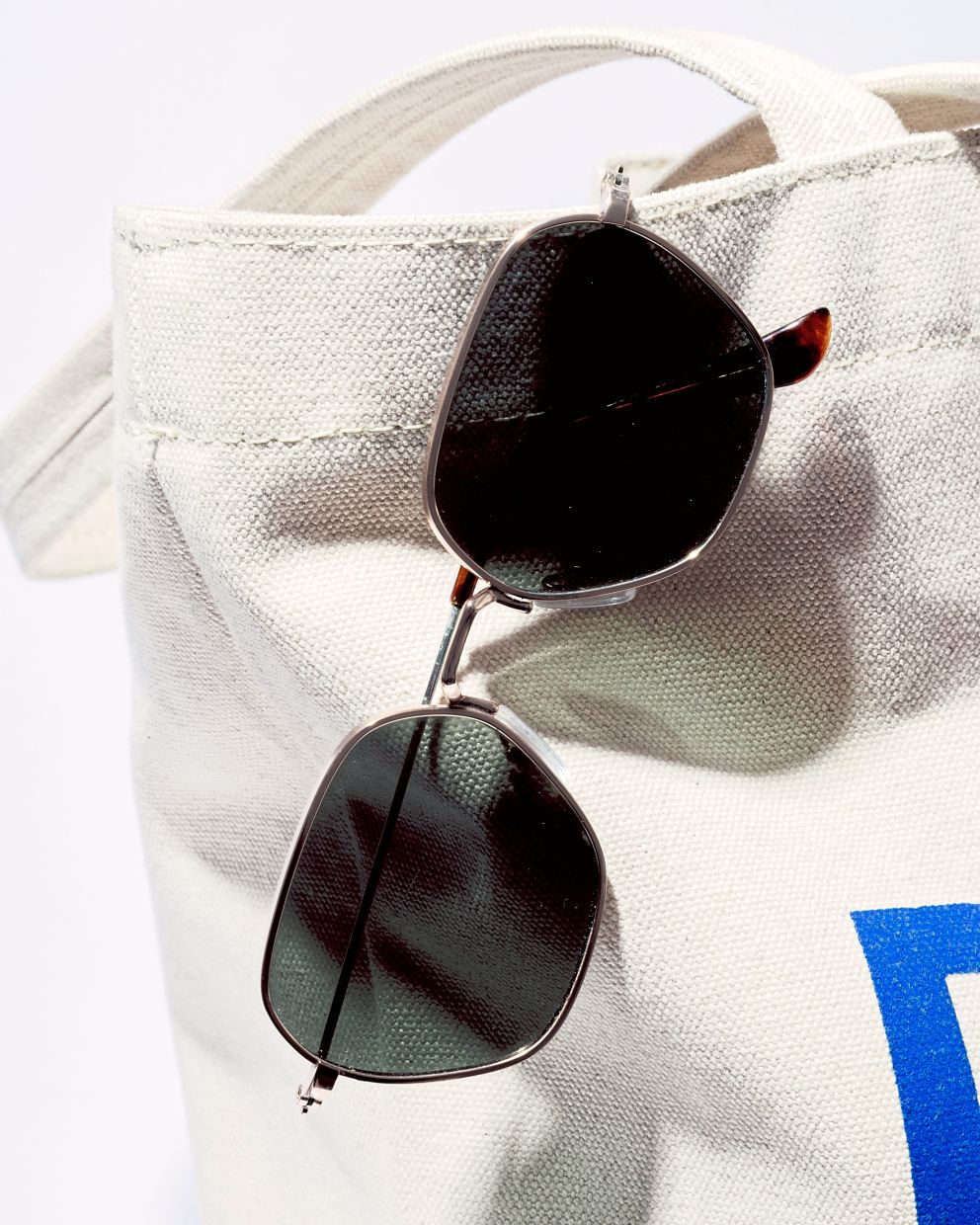
Medical professionals agree that protecting your eyes from ultraviolet radiation should not be a matter of choice, but rather a fundamental aspect of daily health maintenance—particularly for those living in Malaysia's high-intensity tropical environment. While many people casually assume sunglasses are optional fashion accessories, ophthalmologists emphasise that these protective lenses function as critical barriers against cumulative sun damage that can compromise vision and cause serious ocular conditions throughout one's lifetime.
The sun's rays contain three categories of ultraviolet radiation—UVA, UVB, and UVC—though only UVA and UVB penetrate Earth's atmosphere to reach our eyes. Of these two, UVB radiation poses the greater threat to ocular health, though both variants operate year-round, regardless of cloud cover or perceived brightness. The distinction matters considerably for those in the tropics, where solar intensity remains consistently high throughout the year. Malaysia's equatorial position means residents experience more intense and prolonged UV exposure compared to temperate climates, making sustained eye protection a regional health priority rather than merely a cosmetic choice.
Prolonged UV exposure accelerates the development of cataracts, a clouding of the eye's lens that naturally occurs with age but manifests years earlier in people with inadequate sun protection. Beyond cataracts, UV radiation damages the macula—the portion of the retina responsible for detailed central vision—causing age-related macular degeneration that can progressively rob individuals of their sight. These conditions develop silently over decades, meaning damage accumulates imperceptibly until vision deterioration becomes noticeable and often irreversible. For the working-age population in Malaysia, where outdoor employment remains common, this gradual deterioration carries significant economic and quality-of-life implications.
The sun also triggers two distinct eye growths that develop on the white of the eye itself. Pinguecula appears as a small yellowish bump on the sclera and typically causes minor discomfort without affecting vision. Pterygium, however, represents a more serious threat, as this growth extends directly onto the cornea and can eventually obstruct vision sufficiently to require surgical intervention. Both conditions occur more frequently in individuals with chronic sun exposure, making them occupational health concerns for farmers, fishermen, construction workers, and others who labour outdoors regularly throughout Southeast Asia.
The delicate skin surrounding the eyes deserves particular attention, as dermatologists observe that between five and ten percent of all skin cancers in developed nations originate on the eyelid or adjacent areas. The tissue encircling the eyes lacks the thickness and resilience of other facial regions, rendering it especially vulnerable to UV mutation of skin cells. When considering that Malaysia experiences intense sun exposure year-round, individuals working in outdoor environments face compounded risk of eyelid and periocular malignancies that routine eye care often overlooks until advanced stages.
A common misconception suggests that individuals already wearing prescription eyeglasses need not invest in separate sunglasses. In reality, most modern prescription lenses incorporate UV-protective coatings as standard manufacturing features. Polycarbonate—the material used in contemporary eyeglass lenses—provides inherent ultraviolet blocking capability, while non-polycarbonate lenses typically receive a protective coating during production. This means many prescription wearers already possess UV protection equivalent to darker tinted lenses, though the degree of protection remains invisible and varies by manufacturer. Optometrists recommend that wearers confirm their prescription frames include proper UV shielding, particularly if purchased from budget retailers that may skip standard protective treatments.
Despite UV protection in prescription lenses, wearing sunglasses addresses a separate concern: controlling visible light intensity. Excessive brightness forces the eyes to squint, a muscular contraction that contributes to premature wrinkle formation around the orbital area—a phenomenon dermatologists attribute to years of accumulated facial tension. While UV exposure accelerates skin ageing chemically, the mechanical stress of constant squinting compounds these effects through collagen breakdown and habitual creasing. Tinted sunglasses eliminate the need for this protective squinting reflex, thereby reducing the mechanical contribution to periocular ageing while simultaneously blocking ultraviolet rays.
When shopping for eye protection, consumers should prioritise labels displaying either "UV400" or "100% UVA/UVB protection," terms that are effectively interchangeable and indicate blockage of approximately 99 to 100 percent of ultraviolet radiation. In the United States, regulatory oversight ensures that sunglasses labelled with these designations genuinely provide the promised protection. However, this regulatory safeguard does not apply uniformly across all markets, creating potential risks for consumers purchasing counterfeit or substandard products, particularly the extremely inexpensive sunglasses common in tourist areas and informal markets. Such budget options with excessively dark lenses but no genuine UV protection actually increase ocular damage by causing pupil dilation, which allows unfiltered UV rays direct access to the retina—the opposite of the intended protective effect.
Optometrists note that even high-quality sunglasses cover only a fraction of the face's exposed surface, meaning comprehensive sun protection requires a multi-layered approach. Wide-brimmed hats provide essential shade for the upper portion of the face and eyelids, while high-SPF facial sunscreen protects the surrounding skin from both skin cancer risk and photoaging. For individuals in Malaysia planning extended outdoor activities—whether occupation-related or recreational—this combination of sunglasses, protective headwear, and facial sunscreen represents optimal defence against tropical sun damage.
The practical question of whether sunglasses are necessary during every outdoor excursion ultimately depends on individual circumstances and risk tolerance. Those with sun-sensitive eyes experience genuine discomfort from bright light in the form of eye fatigue, dryness, headaches, and visual strain, making sunglasses medically beneficial rather than merely optional. For others without these symptoms, the annual period of outdoor time may be brief enough that accumulated UV exposure poses less immediate concern, though this reasoning ignores the cumulative nature of sun damage across decades. The medical consensus suggests that routine sun protection—particularly in tropical climates where UV intensity and duration exceed temperate-zone exposure—represents sensible preventive medicine that costs little but protects invaluable sight.

