Communications Minister Datuk Seri Fahmi Fadzil has made a direct appeal for political decorum during the Negeri Sembilan state election campaign, calling on all contending parties to elevate their contest above personal attacks and property destruction. The appeal follows reports that billboards belonging to Pakatan Harapan candidate Dr Azizul Hakim Mahdi in the Rantau state constituency had been deliberately damaged during the ongoing campaign period, prompting scrutiny from party officials and raising concerns about the tone of political engagement in the state.
Fahmi's intervention reflects growing anxiety within Pakatan Harapan about the increasingly hostile campaign environment, with social media posts allegedly documenting acts of vandalism targeting their promotional materials. The Communications Minister emphasised that such destructive conduct falls squarely within the purview of criminal law and should be addressed through proper investigative channels rather than tolerated as acceptable campaign practice. His remarks underscored the government's stance that political competition, while fundamental to democracy, must operate within boundaries of legality and respect.
The minister's call for campaign maturity carries particular weight given Malaysia's history of occasionally contentious state elections. Negeri Sembilan, with its mixed demographic composition and historically competitive electoral landscape, has become a focal point for both Pakatan Harapan and opposition forces seeking to expand their territorial control. The destruction of campaign materials represents a tangible escalation from rhetorical disagreement to physical interference with parties' ability to communicate their message to voters, raising questions about the broader civility of the electoral process.
Fahmi stressed that legitimate political campaigning should centre exclusively on substantive policy differences, factual claims about governance records, and competing visions for the state's future. By positioning ideas and evidence as the proper currency of electoral competition, he implicitly rebuked approaches based on character assassination, unsubstantiated allegations, or intimidation tactics. This framing aligns with international best practices for democratic elections and resonates with Malaysian voters' growing expectations for dignified public discourse.
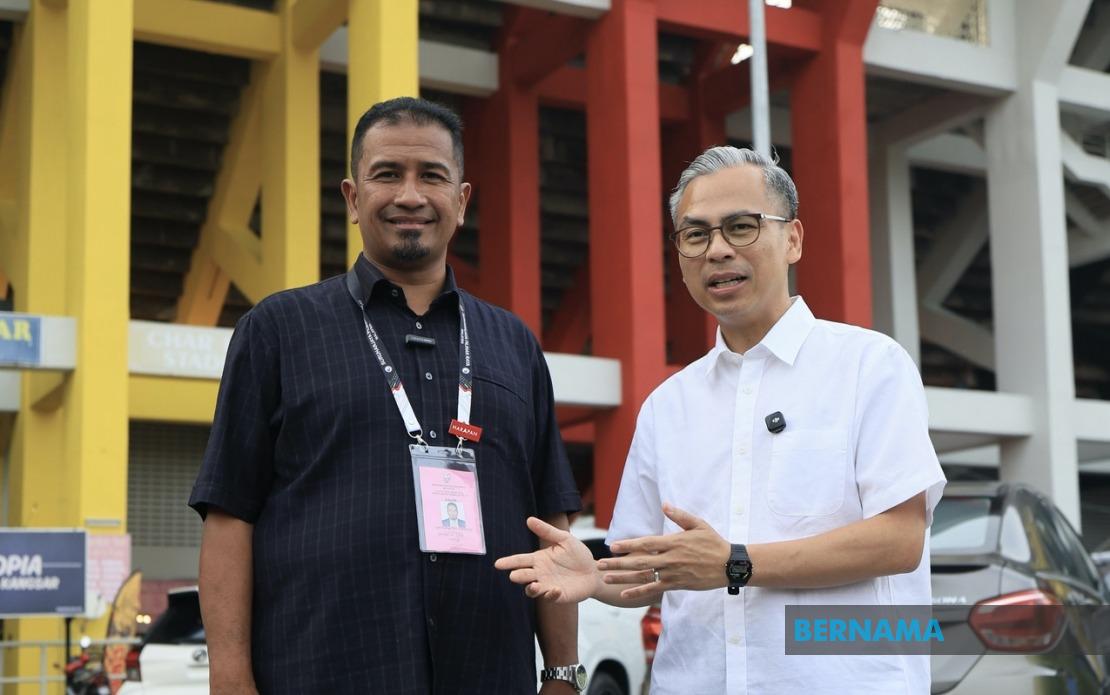
The minister accompanied Pakatan Harapan's Sikamat state seat candidate Nur Azman Mohamad during a campaign engagement at Paroi Stadium in Seremban City Council, where he reiterated these principles directly to grassroots supporters and party workers. Such direct presence by senior government figures serves multiple purposes: it signals the administration's commitment to ethical standards, provides visible support to candidates in key constituencies, and sends a message to potential miscreants that destructive behaviour will attract official attention.
Fahmi's assessment of the campaign's early trajectory suggests that the intensity observed thus far represents only a preliminary phase. With the official polling date of August 1 still ahead and early voting scheduled for July 28, he anticipated a considerable ramping up of campaign activities in the coming week. His observation that participants remained in "second gear" rather than "sixth gear" captured the momentum building across the state, with expectations that senior party figures including Prime Minister Datuk Seri Anwar Ibrahim would increasingly hit the campaign trail.
The Prime Minister's own campaign activities on that particular afternoon, touching four or five locations across Negeri Sembilan, underscored the strategic importance the federal government attaches to this state election. Anwar Ibrahim's personal engagement in campaigning signals that Pakatan Harapan views the contest not merely as a local affair but as a significant barometer of public confidence in the ruling coalition's performance since the 2022 general election. Success in Negeri Sembilan would reinforce the government's political momentum, while setbacks could embolden opposition forces.
The Election Commission's carefully orchestrated timeline, with early voting on July 28 followed by general polling on August 1, permits a concentrated campaign period that typically encourages maximum participation and engagement from political parties and voters alike. This compressed schedule means that the final week before polling day will indeed witness sharply elevated activity, with parties deploying their most prominent figures and most extensive organisational resources to influence undecided voters.
Fahmi's intervention also reflects broader international trends where election authorities and senior government officials increasingly feel obliged to publicly defend democratic norms and warn against anti-democratic conduct. In various democracies, from established Western nations to emerging democracies across Asia, senior figures have found it necessary to explicitly affirm commitment to fair play and peaceful transfer of power. The fact that Malaysia's Communications Minister felt compelled to issue such a statement speaks to legitimate concerns about erosion of civility in electoral competition.
For Malaysian voters and civil society observers, Fahmi's remarks serve as a reminder that elections remain fundamentally about competing ideas and policy choices. While political passion inevitably runs high during campaigns, particularly in closely contested races, the destruction of campaign materials represents a crossing of lines that threatens the integrity of the democratic process itself. When voters cannot hear all candidates' messages because some have been physically suppressed, the outcome cannot claim full legitimacy.
The ongoing investigation into the Rantau billboard vandalism will likely test the Election Commission's willingness and capacity to enforce campaign rules evenhandedly. Should authorities determine that deliberate sabotage occurred, swift and proportionate penalties become essential to deter similar conduct and restore faith in impartial administration of electoral law. Conversely, if investigations prove inconclusive or enforcement appears inconsistent, scepticism about the fairness of the election process could undermine public confidence in the outcome.
As the Negeri Sembilan state election proceeds toward its climax, the challenge facing all participants remains straightforward in principle yet demanding in practice: conduct vigorous, passionate advocacy for their respective parties and candidates while respecting the fundamental democratic right of all competitors to present their case to voters. The minister's appeal, though necessarily directed at all parties, implicitly carries a message to opposition forces that destructive tactics invite official scrutiny and public condemnation. In a healthy democracy, that message should resonate.

