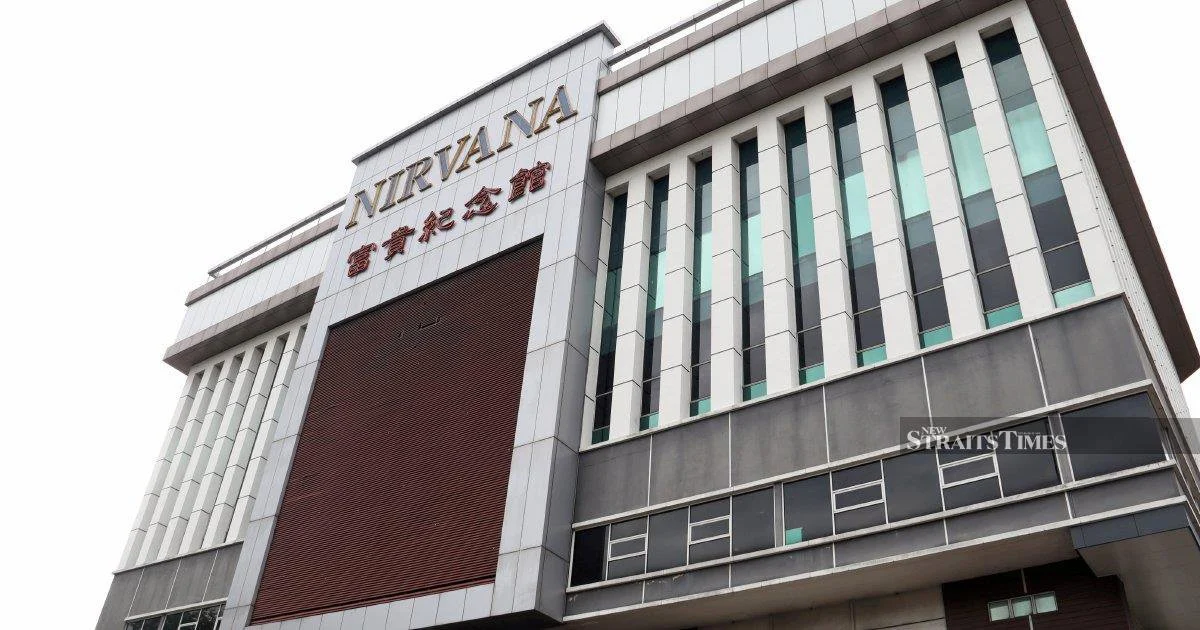
A family in Shah Alam has taken legal action against Nirvana Memorial Park (Shah Alam) Sdn Bhd, alleging serious lapses in security and duty of care following the disappearance of two urns containing their parents' cremated remains from the facility's columbarium in January. The lawsuit underscores growing concerns about the safekeeping of remains entrusted to memorial institutions and raises uncomfortable questions about the adequacy of security measures at such facilities across Malaysia.
The case represents a rare but deeply troubling breach of trust between families and memorial service providers. When bereaved families place their loved ones' remains in columbariums—specialized storage facilities designed specifically for the secure keeping of ashes—they do so with the expectation of permanence and protection. The alleged theft in this instance has shattered that assumption, prompting the family to seek both accountability and compensation through the courts. The legal dispute is likely to attract significant public attention given the emotional dimensions involved and the fundamental nature of the breach.
Nirvana Memorial Park operates one of Malaysia's largest and most established chain of memorial facilities, with multiple locations across the country. The Shah Alam branch, located in Selangor's administrative capital, serves a substantial proportion of the Klang Valley's Muslim and non-Muslim communities requiring cremation and columbarium services. The disappearance of urns from such a prominent and supposedly well-managed establishment raises serious questions about whether even well-established operators are adequately protecting their most vulnerable assets—the remains of the deceased.
The family's negligence claim hinges on the presumption that the memorial park operator has a clear legal and moral obligation to maintain robust security protocols, regular inventory checks, and comprehensive insurance coverage for items in their care. In Malaysia, columbarium operators are generally expected to implement multiple layers of protection, including restricted access zones, surveillance systems, and staff training. If the family can demonstrate that Nirvana Memorial Park failed to maintain such standards or ignored obvious security vulnerabilities, they would have a compelling case for both breach of contract and negligence under Malaysian law.
The incident raises broader industry concerns about whether current regulations governing columbarium operations are sufficiently stringent. Unlike funeral homes or cemeteries, which operate under relatively established regulatory frameworks, columbarium facilities in Malaysia have historically operated with less rigorous oversight. There is no standardized national certification or mandatory security audit regime for such establishments, creating a patchwork of operational standards across different operators and states. This legal case may prompt calls for the Ministry of Health or relevant state authorities to impose more uniform safety and security requirements.
For families considering where to place the ashes of deceased relatives, the case demonstrates the importance of conducting thorough due diligence before committing to any memorial facility. Beyond checking for pleasant surroundings and competitive pricing, families should inquire about specific security measures, staff background checks, insurance policies that cover theft or loss, and the facility's track record over multiple years. Many Malaysians, particularly first-time users of such services, may not realize that asking these questions is not merely prudent but essential.
The January disappearance was discovered during what circumstances remain unclear—whether through routine inspection, family visitation, or inventory management procedures. The timing of the discovery versus the actual theft is significant in legal terms, as delays in reporting missing remains could complicate liability assessments and strengthen the family's negligence argument. If the facility failed to maintain proper records or conduct regular checks that would have enabled prompt detection, this omission would significantly strengthen the plaintiff's position.
Columnarium services have become increasingly important in Malaysia's urban centres, where space constraints and changing cultural practices have made cremation and ash storage a preferred option for many families across different communities. The market has grown substantially over the past two decades, attracting both established operators like Nirvana and newer entrants. However, this expansion has not been matched by proportional increases in regulatory oversight or industry standardization, creating opportunities for substandard operations to flourish.
The lawsuit is also likely to have commercial implications for the memorial services industry. Insurance providers covering such facilities may respond by demanding higher premiums or more stringent security assessments. Other memorial parks may accelerate security upgrades to protect themselves against similar claims. The case could ultimately lead to the development of an industry-wide code of conduct or minimum security standards, potentially driven by professional associations or regulatory bodies seeking to restore public confidence.
Beyond the immediate dispute, this case touches on profound cultural and spiritual concerns shared across Malaysia's diverse communities. For many families, the ashes of parents represent not merely physical remains but a continuing connection to deceased loved ones. The loss of these urns is experienced not only as a material loss but as a violation of sacred trust. This emotional dimension makes the case particularly significant and may influence how courts assess damages.
The family's pursuit of legal remedy demonstrates that Malaysian consumers are increasingly willing to challenge major service providers when trust is breached, signalling a broader shift toward greater accountability in Malaysia's service sector. Whether Nirvana Memorial Park will settle the matter or contest the allegations in court remains to be seen, but the case has already sparked important conversations about how Malaysia can better protect one of the most vulnerable transactions families undertake—the final resting arrangements for their deceased.

