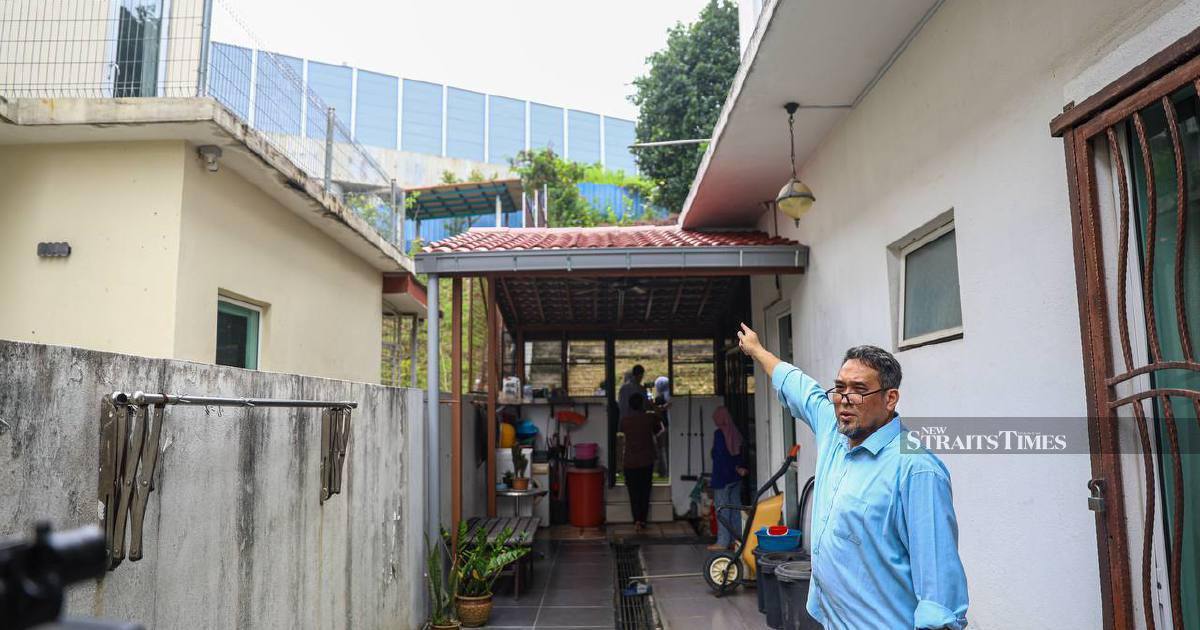
A Kuala Lumpur-based household has initiated civil proceedings against three defendants associated with the East Coast Rail Link development, seeking RM1.33 million in damages for alleged harm to their residential property. The lawsuit represents a growing concern among homeowners living in proximity to major infrastructure projects, particularly those whose dwellings fall within construction corridors or impact zones.
The East Coast Rail Link is one of Southeast Asia's most ambitious transportation initiatives, designed to link the port city of Port Klang with Pengkalan Kubang in Kelantan, facilitating regional trade and passenger connectivity. Since its inception, the project has generated substantial economic interest but has also drawn scrutiny regarding its impact on neighbouring communities. The scale of the undertaking and complexity of engineering works required to traverse diverse terrain have raised legitimate concerns about collateral effects on adjacent properties.
Structural damage claims related to major construction projects typically rest upon evidence demonstrating causation between specific work activities and measurable harm. These might include ground settlement, vibration-induced cracking, water table fluctuations, or compromised building integrity resulting from excavation or pile-driving operations. For affected families, such incidents create dual anxieties: immediate safety concerns for residents and potential long-term property value depreciation that complicates future sales or refinancing arrangements.
The decision to pursue litigation underscores the challenging position many Malaysians face when their homes intersect with national infrastructure development. While government projects serve broader public interest objectives, private landowners and residents bear concentrated costs that are not always adequately anticipated or compensated through existing regulatory frameworks. This tension between development imperatives and individual property rights remains a persistent issue in Malaysia's rapid urbanisation and infrastructure expansion.
Legal recourse through civil suits provides one mechanism for addressing grievances, yet the process is typically lengthy and expensive. Plaintiffs must establish liability through evidence, expert assessment, and often competing claims about responsibility allocation among multiple contractors, engineers, and project managers. The involvement of three defendants in this instance suggests complexity regarding accountability, with different parties potentially responsible for distinct phases or aspects of construction work.
The ECRL project, valued at several billion ringgit, represents significant government commitment to national connectivity objectives. However, large-scale infrastructure development inevitably creates external effects that ripple through surrounding communities. Vibration from pile-driving, dust and noise pollution, groundwater depletion, and subsidence represent documented challenges associated with railway and major transport infrastructure construction globally. The ECRL's geographic extent across multiple states and terrain types amplifies the potential for localised impacts on residential and commercial properties.
Regulatory frameworks governing environmental and structural impact mitigation have evolved, yet enforcement and compensation mechanisms sometimes lag behind construction realities. Environmental impact assessments and baseline studies, while undertaken, may not fully capture every property's vulnerability to construction-related hazards. Additionally, monitoring during construction and promptly addressing emerging issues requires coordination between multiple agencies and private contractors, arrangements that do not always function optimally in practice.
This lawsuit may serve as a catalyst for broader examination of how Malaysia manages the human and property-related costs of major infrastructure expansion. The outcome could establish important precedents regarding liability attribution and compensation quantum for construction-induced structural damage. Beyond the immediate parties, the case signals to project developers and contractors that inadequate protection of affected properties exposes them to financial liability, potentially encouraging more rigorous preventive measures in future initiatives.
For other households within the ECRL corridor or similar projects, this legal action provides an important reference point. Many property owners remain uncertain about their rights when construction damages their homes or whether pursuing claims is feasible given litigation costs and evidentiary burdens. Greater clarity regarding recourse mechanisms and compensation availability could facilitate more informed decision-making by affected households.
The broader Southeast Asian context reveals similar tensions across the region as countries prioritise infrastructure modernisation. Vietnam, Indonesia, and Thailand have experienced comparable disputes between residents and infrastructure developers, suggesting that Malaysia's experience reflects regional patterns rather than isolated incidents. Harmonising development objectives with property owner protections remains an ongoing challenge across the region.
Moving forward, enhanced dialogue between project authorities, contractors, affected communities, and regulatory bodies might prevent or mitigate future disputes. Baseline structural surveys, regular damage monitoring, pre-emptive compensation arrangements, and transparent communication channels could reduce the need for costly litigation while maintaining project momentum. The ECRL's continued development offers an opportunity to demonstrate how large-scale infrastructure can proceed while adequately protecting nearby residents' legitimate interests in property safety and structural integrity.
As this case progresses through Malaysia's court system, stakeholders across the infrastructure and real estate sectors will monitor the proceedings closely. The judgment may ultimately reshape how developers and government agencies approach community impact management, establishing clearer standards for prevention, monitoring, and compensation that extend beyond this single family's claim.

