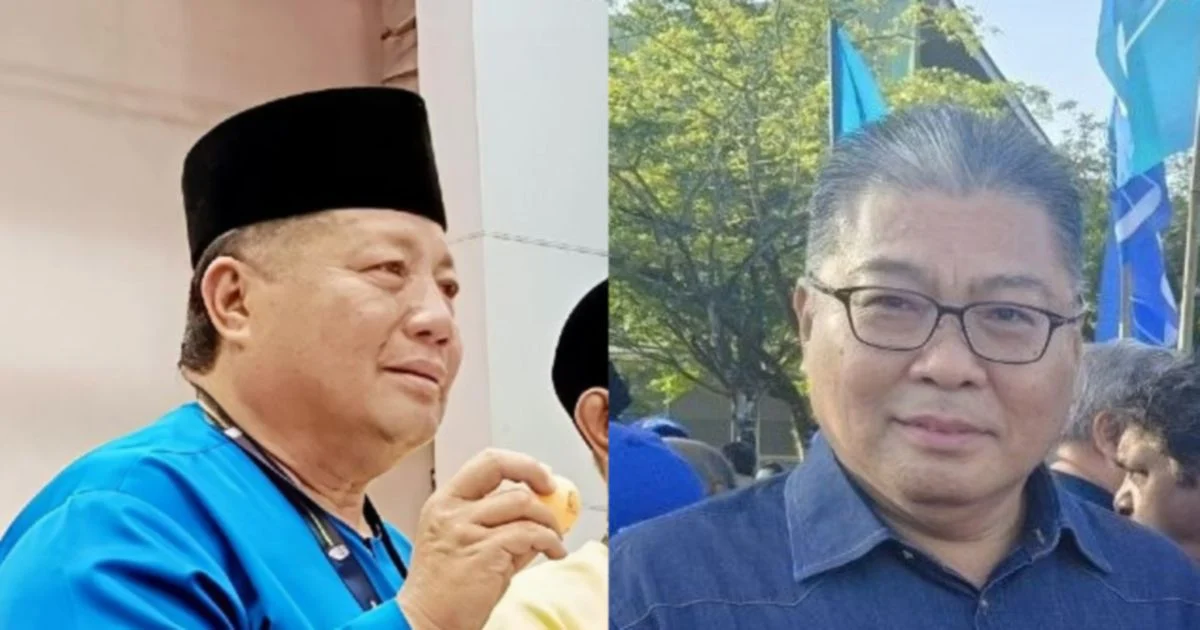
The Johor state election has become the stage for an unusual moment of cross-partisan harmony, as Datuk Maulizan Bujang, the former division chief of Tebrau's Umno chapter, publicly endorsed his younger brother Mazlan's candidacy in the Kahang constituency despite their opposing political alignments. Mazlan is running as a Perikatan Nasional representative, placing the two siblings on opposite sides of one of Malaysia's deepest contemporary political divides. Rather than allowing this fundamental difference to strain their personal relationship, Datuk Maulizan has publicly expressed his desire to see Mazlan succeed at the ballot box, an act that underscores how family loyalties can coexist with fierce partisan commitments in Malaysian electoral contests.
The Kahang seat represents one of several battlegrounds in the broader Johor election narrative, where Umno and Perikatan Nasional have emerged as the primary competing forces. The coalition dynamics in the state have shifted considerably in recent years, with PN gaining significant ground among voters who had traditionally supported Umno-led coalitions. This particular contest between the brothers thus encapsulates a much larger realignment taking place across Peninsular Malaysia's political landscape. The willingness of established Umno figures like Datuk Maulizan to gracefully acknowledge their opponents' campaigns, particularly when those opponents are family members, reveals something important about how Malaysian politics navigates the tension between institutional competition and social bonds.
Datuk Maulizan's position as former Tebrau division chief places him within Umno's established organisational hierarchy, representing a segment of the party with deep community roots and organisational experience. His decision to publicly wish his brother well, rather than engage in the personal attacks that sometimes characterise Malaysian electoral discourse, sets a notable example. This approach suggests that even as political parties mobilise their grassroots machinery and compete vigorously for votes, there remains space for dignity and mutual respect at the personal level. For Malaysian voters watching these contests unfold, such moments can humanise political competitors and remind the electorate that political disagreement need not translate into personal enmity.
The contrast between Umno and Perikatan Nasional represents more than simple party rivalry; it reflects competing visions for Malaysia's governance and coalition-building strategies. Umno has historically dominated the Barisan Nasional framework alongside MCA and MIC, while PN emerged as a newer coalition bringing together PAS, Bersatu, and other parties under a different ideological and organisational umbrella. In Johor specifically, PN has made determined efforts to displace Umno as the dominant political force, targeting constituencies where traditional support structures had grown complacent or disconnected from voter concerns. The Kahang seat, like many in the state, represents contested ground where both coalitions see realistic pathways to victory.
Mazlan's decision to contest under PN rather than following the more familiar path within Umno reflects the broader generational and strategic shifts occurring within Malaysian politics. Younger politicians increasingly evaluate party affiliation based on electoral viability and ideological alignment rather than simply inheriting family political traditions. This generational transition explains why siblings might end up representing different parties, and why their political choices, while perhaps surprising to older observers, reflect rational calculations about political opportunity and personal conviction. Datuk Maulizan's public support for his brother therefore demonstrates an understanding that political evolution is occurring across Malaysia, and that wise party elders recognise and adapt to these realities rather than resist them bitterly.
The personal dimension of this Kahang contest offers Malaysian voters a refreshing counterpoint to polarised campaign rhetoric. Throughout recent elections, both major coalitions have employed increasingly divisive messaging, sometimes portraying opposing camps as existential threats to national stability. When figures like Datuk Maulizan break from this pattern by affirming their opponents' right to contest and their wishes for a fair contest, they implicitly argue for a more matured political culture. This stance does not diminish genuine policy disagreements or suggest that either party is abandoning its convictions; rather, it situates those disagreements within a framework where electoral competition remains bounded by mutual respect and recognition of shared national citizenship.
For Southeast Asian observers examining Malaysia's democratic evolution, the Kahang contest exemplifies how established democracies manage political change while maintaining social cohesion. Unlike some regional neighbours where opposition candidates face harassment or worse, Malaysian politics permits genuine competition between rival coalitions, even at the family level. The fact that Datuk Maulizan can publicly support his brother without facing recrimination from Umno reflects an implicit understanding within Malaysian political institutions that personal relationships transcend party discipline in certain contexts. This flexibility, while sometimes frustrating to party organisers seeking maximum unity, ultimately strengthens democratic resilience by demonstrating that political competition need not destroy the social fabric.
The Kahang battle will ultimately be decided by local voters assessing both candidates' platforms, track records, and vision for their constituency's future. Datuk Maulizan's endorsement of Mazlan will factor into the campaign dynamics, though whether it advantages or disadvantages his brother remains uncertain. Some voters may appreciate the personal integrity such inter-party respect demonstrates, while others may interpret it as lukewarm commitment from the Umno establishment. What seems clear, however, is that both brothers will contest vigorously for their respective parties, and both will accept whatever verdict the Kahang electorate delivers. In this mutual acceptance of democratic outcomes lies perhaps the most important message this family rivalry conveys about Malaysia's evolving political culture.

