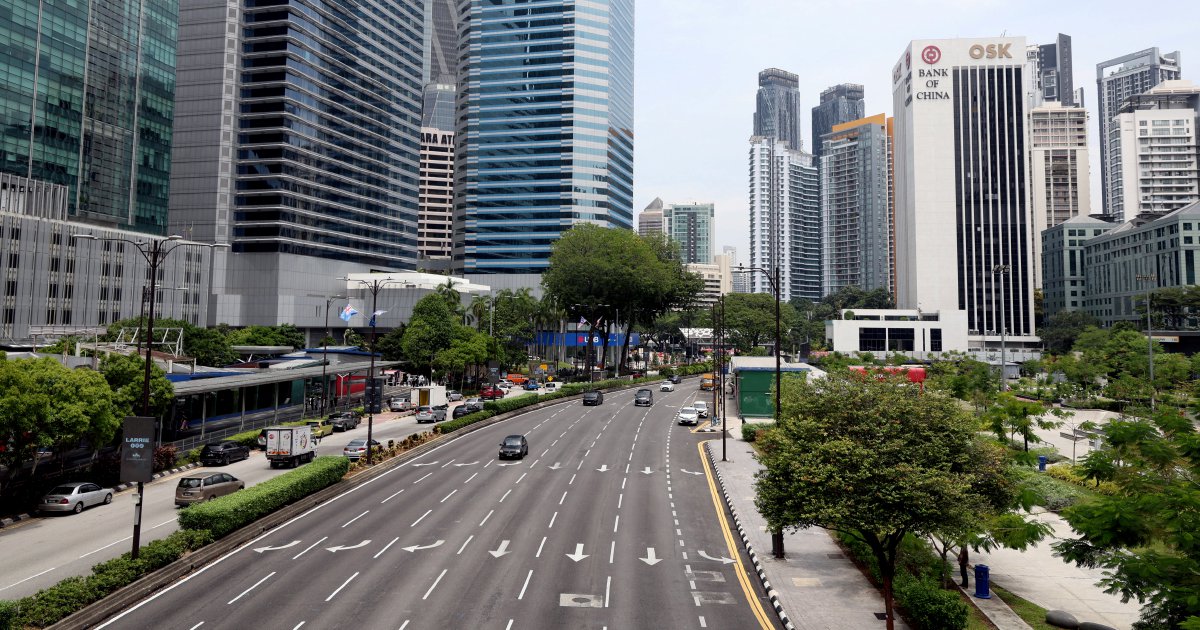
Kuala Lumpur City Hall (DBKL) has commenced both a formal technical inquiry and a citywide safety assessment programme in response to a fatal tree-fall incident. The authority is now systematically examining mature specimens and potentially unstable trees positioned along the capital's principal traffic arteries, reflecting growing concern about urban arboricultural hazards and public safety risks in densely populated areas.
The inspection initiative represents a significant shift in how municipal authorities approach tree management in Malaysia's most developed urban centre. Rather than responding solely to individual complaints or seasonal maintenance cycles, DBKL has adopted a proactive stance aimed at identifying structural weaknesses before trees pose imminent danger to pedestrians and motorists below. This targeted approach acknowledges that mature urban trees, while valuable for shade, air quality, and aesthetic appeal, require rigorous monitoring to prevent catastrophic failures during monsoon seasons or following severe weather events.
The technical investigation itself focuses on understanding the specific conditions that led to the fatal collapse. Engineers and arborists are examining factors including root integrity, trunk stability, soil composition, and water saturation levels that may have weakened the tree's structural foundation. Such failures often result from a combination of environmental stressors, previous damage, disease, or inadequate maintenance—each of which demands different remedial approaches. By carefully documenting how this particular tree failed, DBKL aims to establish clearer diagnostic criteria for identifying similar risks elsewhere in the city.
For Malaysian readers accustomed to tropical weather patterns, the timing of this initiative holds particular relevance. The monsoon season brings intense rainfall and strong winds that substantially increase stress on tree structures, particularly older specimens with compromised root systems or existing damage. Urban trees in Kuala Lumpur face additional pressures from compacted soil, underground utility infrastructure, and proximity to buildings and power lines—constraints that rural trees do not encounter. This multilayered environmental context makes professional assessment essential rather than optional.
The scope of DBKL's inspection programme extends across major roads throughout the capital, suggesting the authority recognises that tree safety issues are not confined to specific neighbourhoods but represent a citywide concern requiring systematic attention. Roads serving high pedestrian traffic, busy commercial districts, and residential areas all fall within the examination scope. This comprehensive approach demonstrates awareness that a tree collapse need not occur on a busy thoroughfare to cause tragic consequences; accidents can happen anywhere people gather or pass through regularly.
From a municipal management perspective, DBKL's initiative highlights the tension between maintaining Kuala Lumpur's urban greenery and ensuring public safety. Trees provide measurable environmental benefits—reducing air pollution, moderating surface temperatures, and enhancing quality of life—yet they carry inherent risks that grow as specimens age. The city hall must therefore balance preservation of mature trees with removal or extensive treatment of those genuinely hazardous. This requires sophisticated decision-making informed by professional arboricultural assessment rather than blanket approaches that either retain all trees regardless of condition or remove them preemptively.
The investigation and inspection programme will likely generate important data regarding tree health patterns across Kuala Lumpur. This information can inform future urban planning decisions, including where to plant new trees, what species suit local conditions most safely, and how maintenance budgets should be allocated. Regional authorities in other Malaysian cities—from George Town to Johor Bahru—may eventually benefit from insights gained through DBKL's systematic assessment of urban arboricultural risks.
Professional tree care represents a specialised field requiring trained personnel with expertise in arboriculture, structural biology, and safety protocols. DBKL's investigation likely involves consulting certified arborists who can distinguish between trees requiring immediate intervention and those safely manageable through ongoing care. Such expertise is not universally available; ensuring adequate qualified personnel across Malaysia's municipalities remains an ongoing challenge as urbanisation accelerates and urban forestry demands grow more sophisticated.
Public communication about tree safety findings will be crucial. Residents and road users need clear information about which trees pose elevated risks and what measures DBKL is implementing to address hazards. Transparency about inspection timelines, remedial actions, and any tree removals helps build public confidence in municipal governance while encouraging residents to report visible signs of tree distress—cracked trunks, extensive deadwood, or unusual leaning.
Beyond immediate safety concerns, this incident underscores the importance of long-term urban forestry strategy. Cities that prioritise tree health through adequate maintenance funding, worker training, and integrated planning tend to experience fewer catastrophic failures. Kuala Lumpur's response to this fatal collapse provides an opportunity to strengthen such foundational policies, ensuring that urban greenery remains a community asset rather than a public hazard.
The investigation's conclusions and inspection findings will likely shape municipal policy regarding tree maintenance standards, inspection frequencies, and removal criteria for years to come. For a city committed to balancing development with livability, getting tree safety right represents a fundamental responsibility to residents and visitors whose daily movements depend on the structural integrity of the urban landscape above them.

