Modern Malaysian families face a pivotal moment where traditional paternal roles no longer suffice in supporting children's development. The National Population and Family Development Board (LPPKN) is pushing for a fundamental shift in how fathers engage with their families, emphasizing that contemporary lifestyle pressures demand fathers become more actively involved in communication, emotional nurturing, and their children's academic journey. This reframing of fatherhood reflects broader societal changes that require men to embrace responsibilities extending well beyond financial provision.
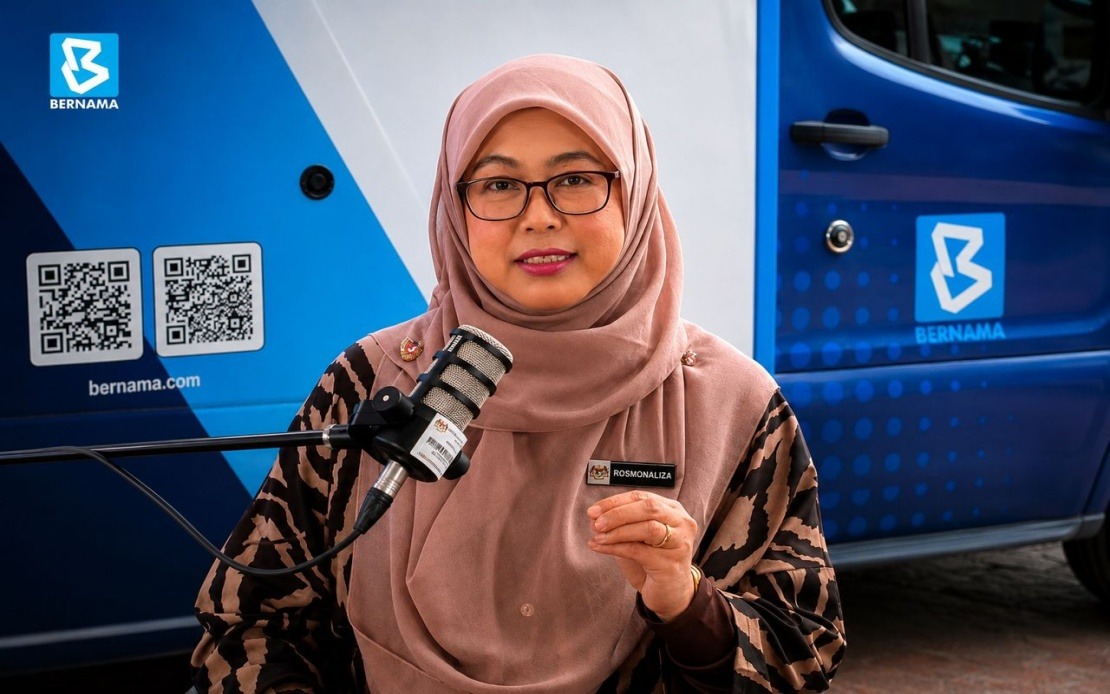
Rosmonaliza Abdul Ghani, director of LPPKN's Family Well-being Division, articulated this evolving perspective during a recent podcast discussion. She stressed that fathers occupy a position crucial to building stable, resilient family units capable of weathering modern challenges. The shift from viewing fathers merely as economic providers to recognizing them as change agents signals recognition that children require emotional accessibility and consistent presence from male parental figures. This perspective aligns with growing research indicating that paternal involvement correlates strongly with improved outcomes in children's emotional development, academic performance, and long-term psychological health.
Effective family communication emerges as the cornerstone of this expanded paternal role. Rosmonaliza emphasized that fathers must develop stronger communicative relationships with their children to remain relevant and influential in their upbringing. Many fathers, particularly in Malaysian households influenced by traditional gender norms, may lack models or experience in expressing emotions constructively or discussing feelings with their children. Building these communication bridges requires intentional effort and sometimes professional guidance to overcome deeply ingrained patterns of emotional restraint.
Encouragingly, LPPKN has observed a cultural shift among Malaysian men regarding mental health support. More fathers now demonstrate willingness to attend counselling sessions, both individually and with their families, representing a significant departure from stigma-laden attitudes toward professional mental health intervention. This openness creates opportunities for men to address underlying challenges—financial strain, mental health concerns, and life stressors—that often manifest as withdrawal or disconnection from family relationships. When fathers receive appropriate support mechanisms, they become better equipped to fulfill enhanced parental responsibilities.
The organization operates a comprehensive support framework designed specifically for fathers navigating contemporary pressures. LPPKN's offerings encompass counselling services, therapeutic interventions, and personality assessments tailored to help men confront financial difficulties, mental health struggles, and other life challenges that compromise their capacity to engage meaningfully with families. Creating safe, non-judgmental spaces where men can express vulnerability without shame proves essential in encouraging them to seek assistance before problems escalate into family dysfunction.
Insights from practitioners working with economically disadvantaged communities reveal the consequences of absent or disengaged fathers. Social workers and community advocates consistently document how the absence of active paternal figures correlates with escalating social problems, including substance abuse among household heads, poverty perpetuation, and institutional family breakdown. When fathers struggle with addiction or economic hardship, the entire family structure destabilizes, creating conditions where children face heightened vulnerability to street life, inadequate education, and perpetuation of poverty cycles. Understanding these dynamics demands compassionate, rather than punitive, approaches to engaging struggling fathers.
Abbe, cited in discussions around fatherhood and poverty, advocates for wisdom and compassion when reaching out to men facing significant difficulties. Confrontational or shame-based approaches often prove counterproductive, particularly when engaging men with strong egos or those already experiencing profound shame about their circumstances. Instead, frameworks rooted in religious values, cultural family principles, and dignity-affirming methodologies help men reclaim their identities as responsible household heads capable of transformation. This nuanced understanding acknowledges that many struggling fathers possess inherent capacity for positive change when met with genuine support rather than judgment.
The role of family members in supporting fathers deserves equal emphasis. Rosmonaliza underscored that spouses and children occupy vital positions in helping fathers manage life's accumulated pressures and preventing emotional suppression that breeds dysfunction. Families often inadvertently isolate struggling fathers, expecting them to solve problems independently according to outdated masculine ideals. When families actively demonstrate appreciation for paternal efforts, communicate care explicitly, and invite fathers into emotional aspects of family life, they create protective factors against the isolation and hopelessness that drives poor coping mechanisms.
Quality time within families transcends material provision in its impact on children's wellbeing. Fathers frequently prioritize financial contributions while underestimating the psychological nourishment their consistent, engaged presence provides. Children remember not expensive purchases but moments of genuine connection—conversations, shared activities, and visible emotional investment. This reorientation requires fathers to fundamentally reassess success and adequacy, recognizing that their physical and emotional availability constitutes their most valuable contribution to family life.
For Malaysian society specifically, these conversations about expanded fatherhood arrive at a critical juncture. Rapid urbanization, economic pressures, and changing family structures have already disrupted traditional support systems. Many Malaysian fathers navigate competing demands from workplace expectations, cultural norms around masculinity, and genuine desire to participate more fully in family life. Supporting this transition demands structural changes including workplace policies accommodating parental engagement, normalized mental health services for men, and cultural messaging redefining masculine strength to include emotional availability and vulnerability.
Educational involvement represents another dimension requiring paternal attention. Malaysian schools increasingly recognize that parental engagement correlates with academic success, yet father participation in school activities remains comparatively low. Encouraging fathers to attend parent-teacher meetings, discuss schoolwork at home, and demonstrate interest in their children's educational journey signals that learning matters and builds children's academic confidence. This engagement also strengthens the father-child relationship through shared intellectual engagement beyond typical domestic interactions.
The broader implications extend to national wellbeing. Strong families anchored by engaged fathers contribute to social stability, reduced crime, improved public health outcomes, and economic productivity. Investing in father-focused support programs represents cost-effective social policy with multigenerational benefits. Communities where fathers actively participate in childcare and emotional nurturing experience measurable improvements across multiple indicators, from educational outcomes to mental health prevalence.
Moving forward, Malaysian society must collectively recognize that redefining fatherhood benefits not just individual families but the entire nation. When fathers embrace their roles as emotional anchors, educational partners, and change agents within their households, they contribute fundamentally to building the resilient, harmonious society Malaysia aspires to achieve. This transformation requires sustained commitment from government agencies like LPPKN, supportive workplace policies, cultural messaging embracing emotional intelligence as masculine strength, and most importantly, fathers themselves making daily choices to prioritize presence and emotional engagement alongside their traditional provider roles.

