The Federal Bureau of Investigation has handed over a collection of Indonesian cultural artefacts that were unlawfully brought into the United States, representing another milestone in Indonesia's ongoing effort to reclaim its scattered cultural heritage from foreign institutions and private collections. The handover, facilitated during FBI Director Kash Patel's visit to Jakarta, underscores the growing momentum in bilateral cooperation between Indonesia and American law enforcement on cultural restitution matters that have long challenged Southeast Asian nations.
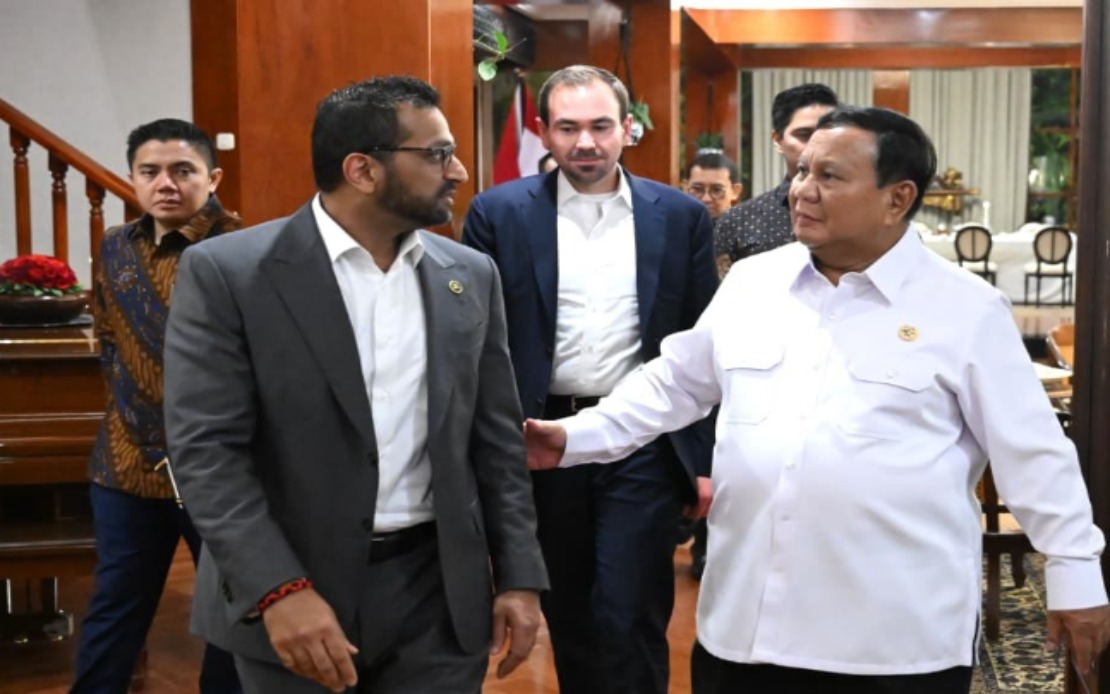
Indonesian Culture Minister Fadli Zon announced the return during a courtesy call in which Patel presented the artefacts to President Prabowo Subianto at the presidential residence in Kertanegara on Wednesday. The ceremony reflects a shift in how high-level diplomatic engagements increasingly incorporate cultural diplomacy and the resolution of historical wrongs related to colonial-era looting and modern smuggling networks. For Indonesia, the recovery signals that persistent diplomatic effort and institutional coordination can yield tangible results in retrieving objects of national significance.
The repatriated items originated from Papua, carrying profound cultural significance for several indigenous communities including the Dani and Asmat peoples, as well as populations living around Lake Sentani. These regions possess some of Indonesia's most distinctive artistic traditions, with ceremonial objects and sculptures that represent centuries of cultural development. The artefacts' journey into American hands exemplifies the broader pattern affecting Southeast Asian nations, where colonial legacies and subsequent smuggling operations have dispersed invaluable cultural materials across Western museums and private collections, often without adequate documentation or legal clarity regarding ownership.
The recovery process hinged on provenance research that established the illegal nature of the original acquisition and smuggling into the United States. This methodological approach—tracing the documented history and ownership of objects—has become increasingly sophisticated globally, enabling authorities to distinguish between legitimately acquired items and those obtained through illicit channels. For Indonesia, such research capabilities require sustained investment in archival work, institutional knowledge, and specialist training, challenges that many developing nations face when competing with well-resourced Western institutions to recover their heritage.
Fadli characterised the returned artefacts as essential components of Indonesia's cultural sovereignty, framing repatriation not merely as recovery of objects but as restoration of the nation's ability to define and control its own narrative regarding its artistic and historical legacy. This conceptualisation aligns with broader Southeast Asian movements demanding the return of cultural materials from major Western museums, reflecting a fundamental shift in how countries view the relationship between national identity, heritage preservation, and colonial history. The minister's emphasis on cultural sovereignty suggests Indonesia views these returns as political matters extending beyond conservation and museum practice.
The FBI's involvement in these recoveries stems from its established mandate to investigate cultural property crimes and art trafficking. Prior to the current repatriation, the bureau had assisted Indonesia in retrieving bronze statues and artefacts from multiple cultural sites, building a track record of cooperation that has made the agency a reliable partner in a field often complicated by competing jurisdictions, insufficient legislation, and the difficulty of proving illegal provenance. The relationship between Jakarta and the FBI illustrates how bilateral security and law enforcement relationships increasingly encompass cultural heritage protection alongside traditional counterterrorism and organised crime investigations.
Minister Fadli expressed hope that the FBI partnership would deepen and expand in scope, noting that successful repatriation requires support from the State Secretariat and the Ministry of Foreign Affairs. This institutional approach suggests Jakarta recognises that recovering scattered heritage demands coordination across government bodies, each contributing expertise in legal affairs, diplomatic channels, and cultural policy. Such structural integration is essential for translating individual recovery successes into a sustainable national strategy for heritage repatriation, distinguishing between ad-hoc returns and systematic programmes.
The decision to display the recovered artefacts at the National Museum represents a deliberate curatorial choice with multiple implications. Beyond simple preservation, public exhibition allows Indonesian citizens and international visitors to engage with these materials in their rightful national context, fostering educational understanding of Papua's indigenous cultures and their place within Indonesia's broader civilisational heritage. The choice of venue also signals confidence in Indonesian institutional capacity to conserve and professionally manage these artefacts, addressing concerns sometimes raised by Western institutions regarding repatriation.
For Malaysian observers and policymakers, Indonesia's repatriation efforts offer instructive lessons and cautionary examples. Malaysia, like its neighbours, possesses cultural materials dispersed across European and American institutions, though systematic efforts to recover them remain limited compared to Indonesia's increasingly coordinated approach. The Indonesian model demonstrates that sustained diplomatic engagement, backed by evolving legal frameworks and institutional capacity, can produce results even when dealing with well-established Western museums resistant to deaccessioning. However, it also highlights the resource constraints facing individual nations attempting to retrieve heritage without coordinated regional strategies or international treaties with stronger enforcement mechanisms.
The broader context involves fundamental questions about cultural justice and the responsibilities of nations and institutions holding objects acquired through colonial violence or modern criminal activity. Indonesia's push for expanded cooperation with the FBI reflects recognition that while individual recoveries matter, the underlying systems enabling smuggling and illegal acquisition persist. Addressing these requires international cooperation transcending bilateral arrangements, incorporating Interpol, customs authorities, and strengthened export control legislation across source and destination countries.
As Southeast Asian nations increasingly assert claims to their dispersed heritage, Indonesia's bilateral approach with the FBI provides a template while simultaneously revealing its limitations. The partnership demonstrates that determined national governments can recover significant cultural materials through law enforcement collaboration, yet also underscores how uneven global power dynamics continue shaping which nations successfully reclaim their heritage and which remain dependent on Western institutions' voluntary cooperation. For Indonesia and the region, sustained pressure on these partnerships will be necessary to ensure that repatriation becomes routine rather than exceptional.

