Rey Grabato II, a prominent Ilonggo businessman, has been added to the FBI's Most Wanted Fraudsters list, triggering a rare public statement from his family that seeks to redirect public attention toward his medical condition and emphasises the distinction between his nominal and substantive roles in the organisations under investigation. The development marks an unusual intersection of Philippine provincial politics and American federal law enforcement, with the case drawing international scrutiny to the Iloilo region.
The FBI announced the designation on Thursday, August 13 (Philippine time), alleging that Grabato conspired to commit securities fraud, committed securities fraud, conspired to commit wire fraud, engaged in wire fraud, and conspired to defraud the United States government regarding tax matters. The charges carry serious federal implications and suggest involvement in a sophisticated financial scheme that crossed international borders. The specificity of the allegations indicates a multi-layered investigation involving complex financial instruments and potential coordination between multiple parties across jurisdictions.
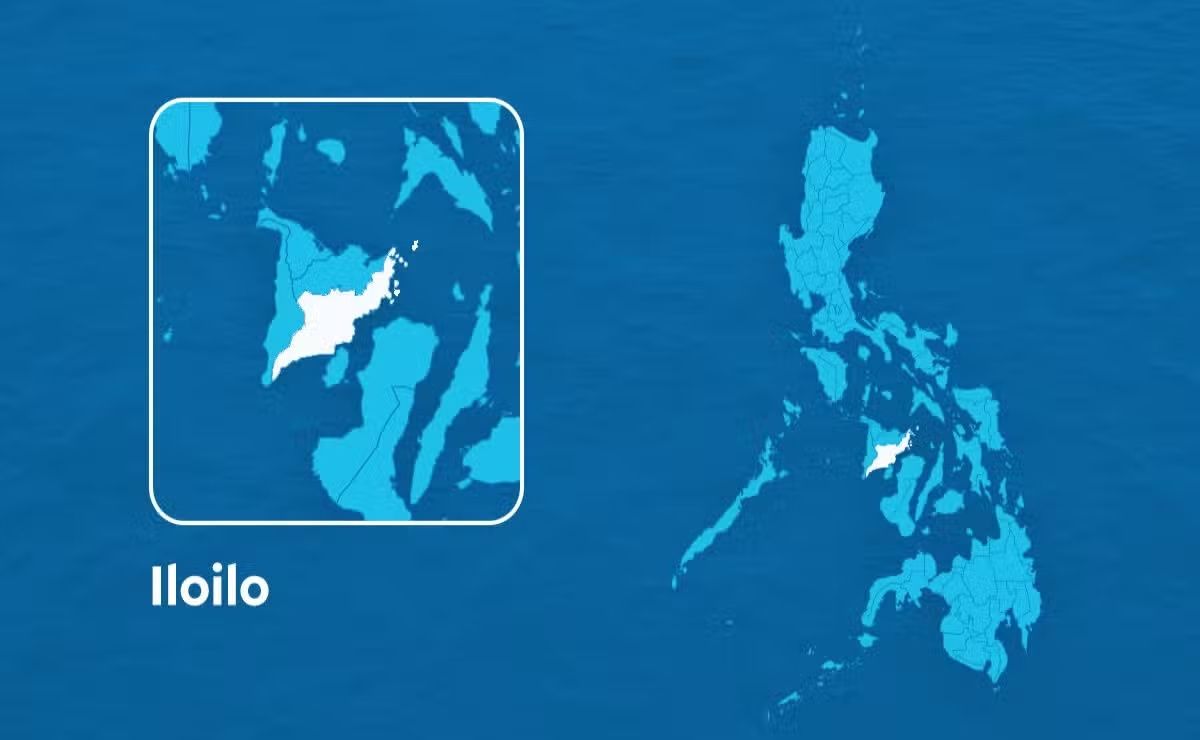
Grabato's father, Rey Grabato, who serves as mayor of Mina, Iloilo, confirmed on Friday (August 14) that his son is currently residing in Iloilo but declined to elaborate further or discuss his FBI designation. The town mayor's restrained response underscores the sensitive nature of the matter, particularly given his own position in local government. His brief statement appeared calculated to acknowledge the situation without amplifying its political implications for his municipal administration. The decision to remain largely silent may also reflect ongoing consultations with legal counsel and Philippine authorities.
Central to the family's response has been an emphasis on Grabato's recent health crisis rather than the criminal allegations. According to Christopher Rey Grabato, his younger brother, Rey II experienced a severe stroke that has left him partially paralysed with significant mobility, communication, and cognitive limitations. The family statement, released on Friday evening through Christopher's personal Facebook account, positioned medical rehabilitation as the immediate family priority. This framing appears designed to humanise Grabato's situation and appeal to public sympathy whilst the legal matters proceed through appropriate channels.
Christopher Rey stressed that neither his brother nor any authorised family representatives have received formal notice or summons from Philippine or American authorities. This claim is significant because it suggests that despite the FBI's public designation, no extradition request has yet been formally filed with the Philippine government, nor has any arrest warrant been served through official diplomatic channels. The statement implies that Grabato's presence in the Philippines may not yet trigger immediate legal proceedings, though this remains subject to evolving developments.
A critical element of the family's defence strategy centres on distinguishing between Grabato's nominal leadership role and actual operational control within the National Realty Investment Advisors (NRIA), the organisation at the heart of the controversy. Christopher Rey cited financial publication Barron's, owned by Dow Jones & Company, which allegedly reported federal prosecutors characterising Grabato's leadership position as "titular." This distinction is legally meaningful because it could potentially reduce personal culpability if Grabato held a ceremonial rather than executive function. Such a position would be crucial in any defence against fraud charges that require demonstrating active involvement in deceptive schemes.
The family's statement further points to Thomas Nicholas Salzano as the actual figure directing NRIA's governance and operations. Salzano has already been apprehended by federal authorities, suggesting that law enforcement has already secured a key witness or co-conspirator in the investigation. The emphasis on Salzano's prior arrest serves to redirect blame away from Grabato and toward someone who the family characterises as the true architect of any misconduct. This strategic positioning attempts to establish a hierarchy of responsibility, with Grabato portrayed as a figurehead rather than a principal actor.
The case carries broader implications for how Philippine authorities navigate the intersection of local politics and international criminal investigation. The fact that a sitting mayor's son has been designated as an FBI Most Wanted individual creates diplomatic and administrative complexities. Philippine law enforcement and the Department of Justice will likely face pressure to clarify whether they are cooperating with American federal authorities and whether an extradition request is anticipated. The Philippines' obligations under various mutual legal assistance treaties with the United States further complicate the situation.
For Malaysian and Southeast Asian observers, this case illustrates the expanding reach of American federal law enforcement into regional financial markets and the potential for high-profile individuals to face international prosecution for alleged trans-border financial crimes. The prominence of NRIA in the alleged scheme suggests that investment advisories operating across Asia may face heightened scrutiny from U.S. authorities. The regulatory environment for investment firms operating in Southeast Asia could tighten as a consequence of such high-profile cases. Malaysian financial institutions and investment advisors should review their compliance frameworks, particularly regarding securities regulations and tax reporting obligations to American authorities.
The public relations dimension of the family's response reflects awareness that narratives surrounding the case will shape public perception and potentially influence how Philippine officials handle any eventual legal process. By emphasising Grabato's medical condition and distinguishing his role from Salzano's, the family attempts to control the information landscape. However, the gravity of the FBI's charges and the international attention they have generated suggest that legal processes will ultimately supersede family statements. The situation remains fluid, with potential developments including formal extradition requests, Philippine legal proceedings, or bilateral negotiations between authorities.
The coming weeks will be crucial in determining whether the Philippine government receives a formal extradition request from the United States and how it responds. Grabato's health condition, whilst significant for his personal circumstances, is unlikely to prevent extradition proceedings if the United States formally pursues them, though it may influence how authorities manage his detention and transport. The case underscores the reality that even individuals with local political connections cannot indefinitely evade the reach of international law enforcement agencies.

